

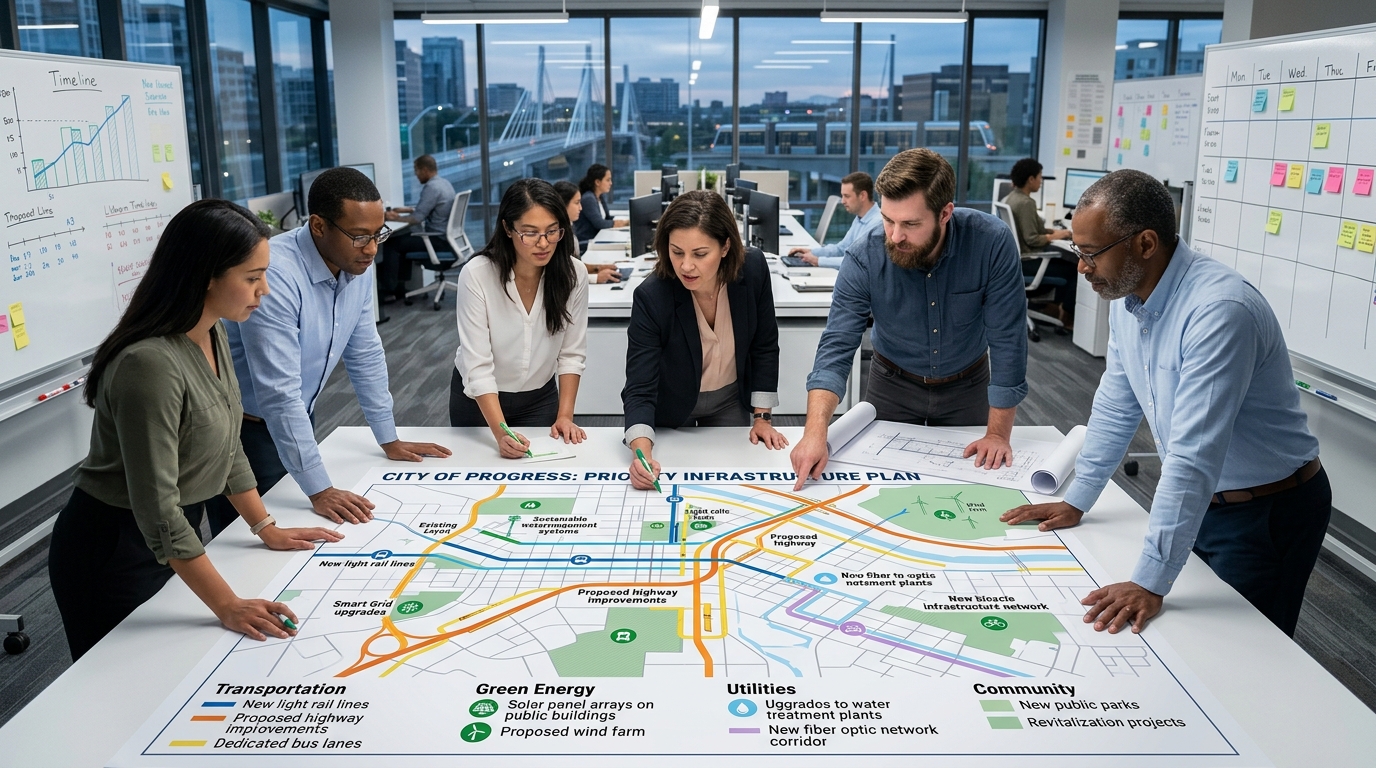
Imagine a world where cities thrive, communities flourish, and the environment is respected. This vision isn’t just a dream; it can become reality through effective planning and strategic investment in infrastructure. A Priority Infrastructure Plan is not merely about building roads and bridges. It’s about creating a framework that supports sustainable development for generations to come.
As urban populations grow and climate challenges intensify, the need for an intentional approach to infrastructure becomes paramount. We have an opportunity to reshape our future by prioritizing projects that align with sustainability goals while addressing current deficiencies in our systems. Let’s dive into why adopting a Priority Infrastructure Plan is vital for achieving holistic progress in our communities.
The Importance of Sustainable Development
Sustainable development is vital for ensuring that future generations can thrive. It focuses on balancing economic growth, environmental health, and social equity.
As our global population grows, the demand for resources increases. Without a sustainable approach, we risk depleting these essential assets. This depletion could lead to crises in food security and water availability.
Moreover, sustainable development fosters innovation. Businesses are motivated to create eco-friendly solutions when they recognize the importance of sustainability in their practices.
Communities also benefit from sustainable initiatives. They promote healthier environments and enhance quality of life through better infrastructure and public services.
In essence, prioritizing sustainability leads to resilience against climate change while creating opportunities for all members of society. Understanding its importance is crucial as we navigate today’s challenges.
Issues with Current Infrastructure Systems
Current infrastructure systems face significant challenges that hinder progress. Aging facilities often struggle to meet modern demands, leading to inefficiencies across transportation, energy, and water supply.
Many urban areas experience congestion due to outdated road networks. This not only wastes time but also increases greenhouse gas emissions. Public transit options frequently fall short of serving growing populations effectively.
Additionally, there’s a pressing need for sustainable practices in construction and maintenance. Many existing systems rely heavily on fossil fuels, which contributes to environmental degradation.
Funding is another critical issue. Governments often lack the resources needed for necessary upgrades or replacements. As a result, communities may suffer from inadequate services or even safety hazards.
The integration of technology into infrastructure remains inconsistent. Smart solutions can enhance efficiency but are still not widely adopted in many regions.
Benefits of a Priority Infrastructure Plan
A Priority Infrastructure Plan streamlines resource allocation. It targets essential projects first, ensuring that funds are directed where they can make the most impact. This efficiency translates into quicker results for communities.
Sustainability is another significant benefit. By focusing on eco-friendly infrastructure, such as renewable energy and efficient public transport systems, cities can reduce their carbon footprints. This adaptability supports long-term environmental goals.
Moreover, economic growth gets a boost from well-planned infrastructure investments. Improved roads, bridges, and utilities attract businesses and create jobs. A thriving economy enhances community resilience against future challenges.
A priority framework fosters collaboration among stakeholders. When governments partner with private entities and local communities, innovative solutions emerge. Collective efforts pave the way for more inclusive development strategies that cater to diverse needs within society.
Examples of Successful Priority Infrastructure Plans
Cities around the world have embraced Priority Infrastructure Plans with remarkable success. One standout example is Singapore’s Integrated Drainage Management Plan. This initiative addresses flooding while enhancing green spaces, showcasing a seamless blend of urban resilience and sustainability.
In South America, Bogotá’s TransMilenio bus rapid transit system revolutionized public transport. It reduced congestion and emissions while promoting accessibility for all residents.
Closer to home, New York City’s resiliency plans post-Hurricane Sandy exemplify proactive infrastructure development. These measures include improved coastal defenses and upgraded drainage systems that protect against future climate threats.
Each of these cases demonstrates how targeted investments in infrastructure can not only resolve current issues but also foster long-term growth and environmental stewardship.
Challenges and Considerations
Implementing a Priority Infrastructure Plan comes with its own set of challenges. One major hurdle is securing adequate funding. Governments often juggle multiple financial commitments, making it difficult to allocate resources specifically for infrastructure enhancements.
Political will can also pose a challenge. Different stakeholders may have conflicting interests or priorities, leading to delays in project approvals and execution.
Community engagement is another critical aspect that cannot be overlooked. Gathering public support requires clear communication about the plan’s benefits and potential impacts on local communities.
Additionally, technological advancements need careful consideration. As new solutions emerge, ensuring these innovations are integrated into existing frameworks without disruption becomes essential.
Environmental concerns must be addressed throughout the planning process. Striking a balance between development needs and ecological preservation is vital for long-term sustainability.
Conclusion: The Necessity of a Priority Infrastructure Plan for Sustainable Development
The urgency for a Priority Infrastructure Plan is clearer than ever. As populations grow and climate change accelerates, the need for sustainable solutions becomes paramount. A well-defined plan can address existing infrastructure issues while paving the way for future resilience.
By prioritizing projects that align with sustainability goals, communities can reduce their environmental footprint and enhance quality of life. The benefits extend beyond just immediate improvements; they foster economic growth, social equity, and environmental stewardship.
Navigating challenges such as funding limitations or political hurdles will require collaboration among stakeholders at all levels. However, the long-term advantages of implementing a Priority Infrastructure Plan far outweigh these obstacles.
Sustainable development hinges on proactive measures today to ensure a livable planet tomorrow. Adopting a comprehensive approach now will help us build not only stronger infrastructures but also healthier societies for generations to come.
 admin
admin