

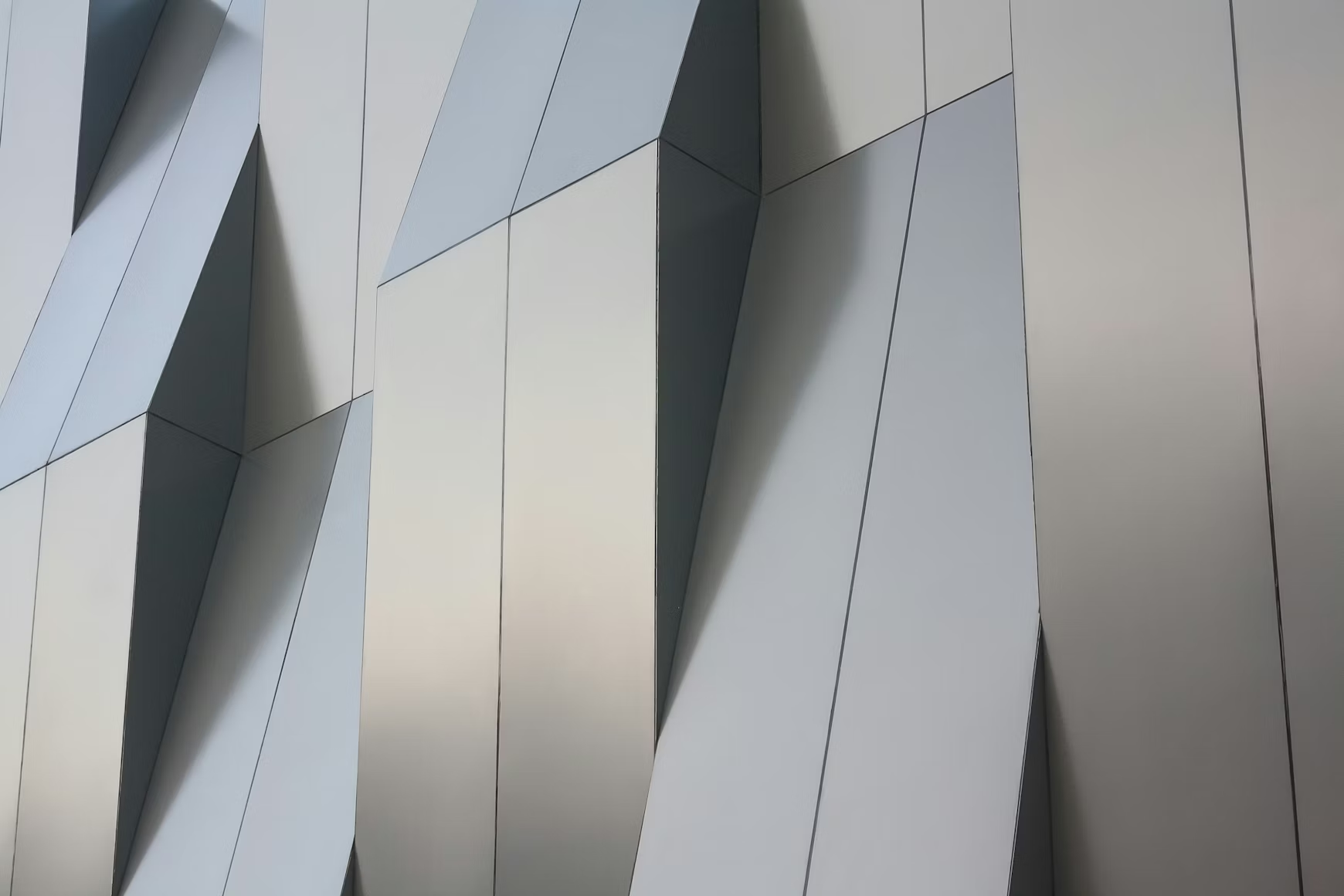
Commercial buildings often experience high indoor temperatures during summer – this occurs when roofing and exterior walls absorb sunlight. Increased heat causes higher cooling expenses plus puts pressure on cooling systems. It also makes conditions uncomfortable for people inside. Owners and contractors are now choosing materials that manage temperatures but also are durable.
Reflective metal panels are a common choice to lower heat absorption in warehouses, stores, offices and industrial sites – these systems reflect solar radiation away from the structure. They help keep indoor temperatures steady. When workers install these panels correctly, the panels improve energy use as well as protect the building for a long time.
Benefits of Reflective Metal Surfaces
Reflective panels limit how much solar heat enters a building. Traditional surfaces with dark colors absorb sunlight and stay hot. Reflective coatings move sunlight away from the building – this process keeps surfaces cool or reduces the heat that enters the interior.
Lower heat transfer is helpful for reducing cooling costs in the summer. Owners of commercial properties often see better efficiency in their cooling systems. The systems do not operate as frequently to maintain a comfortable temperature. Over time, less energy use can lower costs and help buildings meet environmental goals.
Importance of Panel Coatings
The coating on metal panels is important for heat reduction – Reliable coatings resist ultraviolet light next to remain effective for many years. Lighter colors are common because they reflect more sunlight than dark colors.
Modern technology also protects panels from fading and rust – This protection makes the exterior system last longer. Owners receive the benefit of energy savings plus fewer repairs. Reflective metal panels are therefore a useful choice for commercial construction.
Role of Insulation Systems
Reflective surfaces are most effective when the building also has insulation. Coatings lower the heat absorbed from the sun, while insulation slows the movement of heat into the rooms. Many contractors use both reflective cladding and insulated metal panels to create a thermal barrier.
Roof systems are a major source of heat because they face the sun all day. Installing insulation under reflective surfaces improves temperature control – this combination increases energy efficiency but also removes hot spots inside the building.
Proper Installation Methods
Installation quality affects how well metal panels work – Even high quality materials are less effective if there are gaps or poor seals. Contractors must follow instructions from the manufacturer to make sure the system works.
Ventilation is also a factor during the installation process – Moving air behind the panels releases heat and moisture. Correct flashing as well as drainage systems help the panels last longer and perform better. Careful installation ensures the building receives the full benefits of the panels.
Climate Considerations
Different environments require different exterior designs – In sunny or hot regions, reflective panels lower heat gain and improve comfort. Buildings in these areas often see lower energy bills after the panels are installed.
Cold climates also benefit from the systems when combined with insulation. Insulated roof panels protect the building from changing temperatures throughout the year. Owners should consider the local weather when choosing finishes next to insulation levels.
Long Term Building Performance
Reducing heat gain does more than save money on cooling – Too much heat can damage roofs and mechanical equipment over time. Reflective panels lower the stress on these parts – this helps the building components last longer plus function better.
Buildings with steady temperatures are better for tenants and workers. Comfortable spaces can help people be more productive. By using reflective surfaces but also professional installation, owners can create efficient buildings that last for many years.
 Mariah