

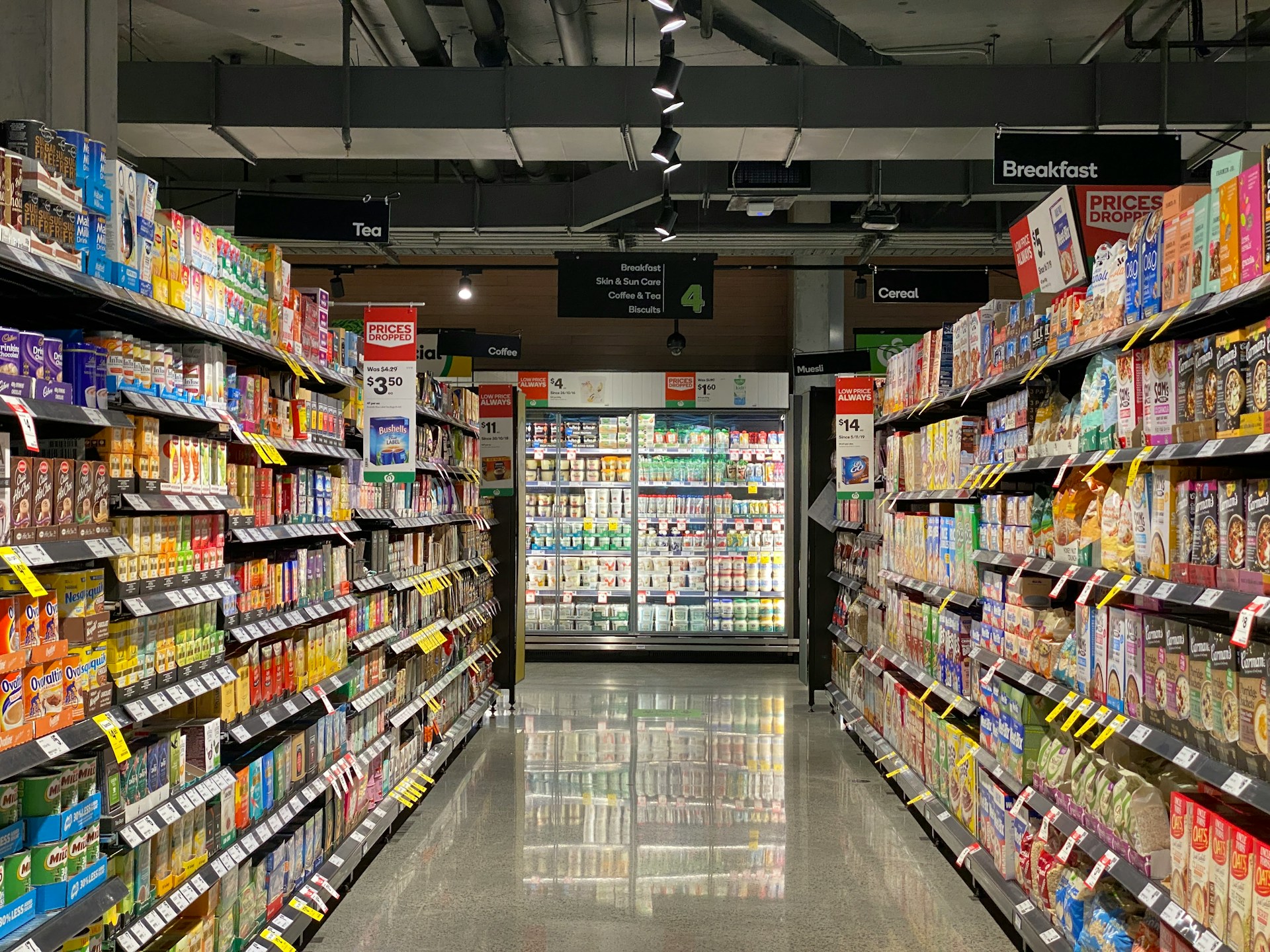
Grocery shopping is often physically demanding when movement is limited. Careful planning and specific strategies are helpful to make the process manageable. The objective is to lower physical strain and make each step predictable. Small adjustments in preparation, timing plus tools are effective in making the experience easier.
Planning Before Leaving Home
Physical effort is lower when you prepare before a grocery trip. A list organized by store sections is useful to limit walking and backtracking. The store is easier to navigate when you visit at times that are not busy – this choice results in shorter waiting times. Some people use delivery services or curbside pickup to lower strain. Others use mobility scooters to move through large stores with less fatigue.
Choosing Transportation & Support
Safe travel to and from the store is a necessary part of the shopping process. It is helpful to arrange transportation that allows for easy entry but also exit. Minimizing walking distances is also beneficial.
Preparation for the return trip is important – Having seating available, like chairs with mechanical lifting features, allows for rest after carrying items inside – this setup reduces strain after physical activity.
Navigating The Store Efficiently
Fatigue is lower when you move efficiently inside the store – A planned route based on a shopping list is a good way to avoid unnecessary movement. Many stores are designed with wide aisles and accessible layouts. It is helpful to move at an even pace and take breaks. Using carts is a way to provide stability as well as lower pressure on joints.
Reducing Physical Strain During Shopping
Heavy items are difficult to carry – it is better to choose small loads. Making multiple trips is often necessary. Using carts to transport items is better than carrying them by hand to lower stress on the body.
It is important to monitor physical limits to avoid exhaustion. Sitting during breaks and pacing movement are ways to maintain energy levels – these actions make the trip more comfortable.
Using Tools & Assistance Options
Assistive tools are available to make shopping less tiring – Baskets with wheels, lightweight carts and store provided helps are helpful for moving through aisles. A mobility scooter is a reliable option for those with greater limitations – this tool allows for navigation in large stores without excessive walking – these helps support independence or lower strain.
Managing Carrying & Storage At Home
Bringing items into the home is often a demanding task – Breaking groceries into small loads is a way to prevent injury when moving from a vehicle to the kitchen. Organizing items at a height that is easy to reach reduces the need for bending. Resting in a stable chair, like medical lift chairs, is helpful during unpacking – this practice makes the process more controlled.
Reducing Fatigue During The Trip
Energy management is an important part of grocery shopping – Short breaks are useful to prevent exhaustion and allow the body to recover. Steady energy levels are easier to maintain when you stay hydrated and avoid rushing. A consistent pace is better for balance next to reducing physical stress.
Improving Store Accessibility Awareness
Future trips are easier when you understand the store layout and accessibility features. Many stores provide wide checkout lanes, accessible parking and staff to help carry bags. It is helpful to know where seating areas are located – This awareness makes the experience predictable plus less demanding.
Building Confidence In Regular Shopping Routines
Consistency is a way to make shopping feel less difficult – Familiarity with the store and personal limits allows for better planning.
Individuals often find it easier to manage challenges as confidence grows. Grocery shopping is a manageable and independent activity when you use support tools, pacing but also an accessible home setup.
 Mariah