

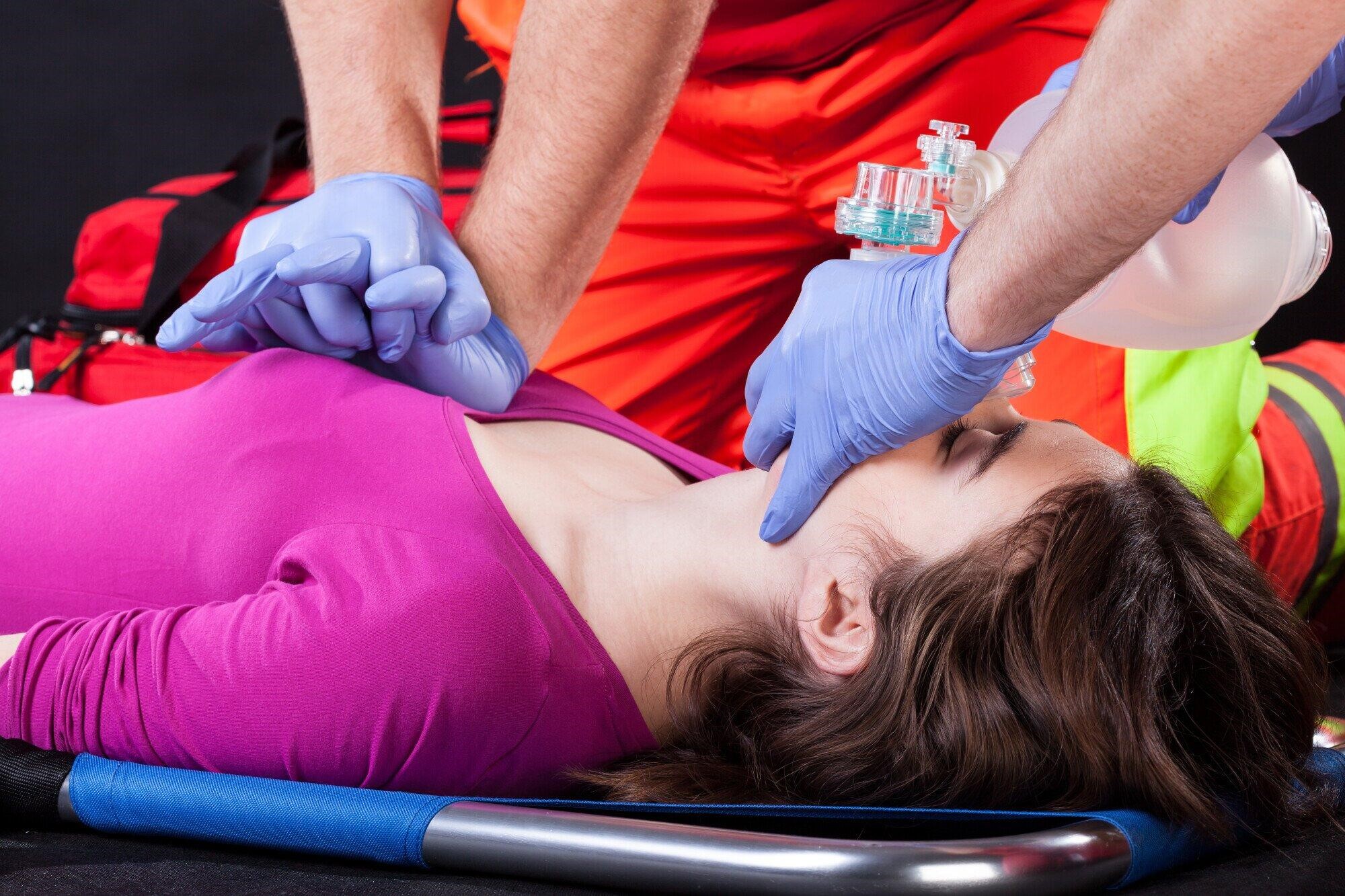
Have you ever thought about what could happen if someone near you suddenly needed help?
Learning lifesaving skills can help you act fast in an emergency. Simple skills like CPR and first aid can help protect family, friends, coworkers, and even strangers. These skills can also help you stay calm and make better choices during a crisis.
You do not need to be a medical expert to learn them. With the right training, you can be ready when every second counts. Want to see how these skills can help in daily life and why they matter so much? Let’s dive in.
Helps You Respond Fast in Emergencies
Emergencies can happen without warning. A person may fall, stop breathing, or become badly hurt. In these moments, fast action is very important. Lifesaving skills teach you what to do before medical workers arrive.
You can learn how to check a person’s condition, give basic care, and call for help. Taking the right steps can help keep a person safe until more help arrives.
Even a few minutes of care can make a big difference during an emergency. These skills help you stay ready when every second matters.
Builds Confidence
Many people feel scared when they see an emergency. They may worry about making a mistake or not knowing what to do. Lifesaving training helps remove some of that fear.
This can help you feel more prepared in difficult situations. Instead of standing by, you can take action with greater confidence. This confidence can help at home, at work, at school, or in public places where emergencies may happen. With practice and knowledge, you can feel confident.
Helps Keep Loved Ones Safe
Family members and close friends are often the people you care about most. Sadly, accidents and health emergencies can happen to anyone. A child may choke, an older adult may fall, or someone may become sick without warning.
Lifesaving skills help you provide quick care when needed. Knowing what to do can help protect the people around you. While waiting for professional help, your actions may help prevent the situation from getting worse. Being prepared gives you another way to help keep loved ones safe.
Supports a Safer Community
When more people learn lifesaving skills, the whole community benefits. Trained people can help during accidents, injuries, and other emergencies. This means more people are ready to step in when help is needed.
Quick action from a trained person can provide support before emergency workers arrive. Schools, workplaces, and neighborhoods all become safer when people know basic first aid and CPR.
Each trained person adds another layer of safety to the community and can help others during difficult situations.
Improves Everyday Awareness
Lifesaving training does more than teach emergency care. It also helps you notice dangers before accidents happen. You may become more aware of risks at home, at work, or outdoors.
This can include things like slippery floors, unsafe tools, or blocked walkways. By spotting problems early, you may help prevent injuries. Better awareness can make daily life safer for you and those around you.
Learning more through MyCPR NOW can also help you build stronger safety habits in everyday life.
Staying Ready with Lifesaving Skills
Lifesaving skills give you the power to act fast, stay calm, and help others during emergencies. These skills protect lives at home, work, and in public places. Learning them builds confidence and awareness, which can make everyday life safer for everyone.