

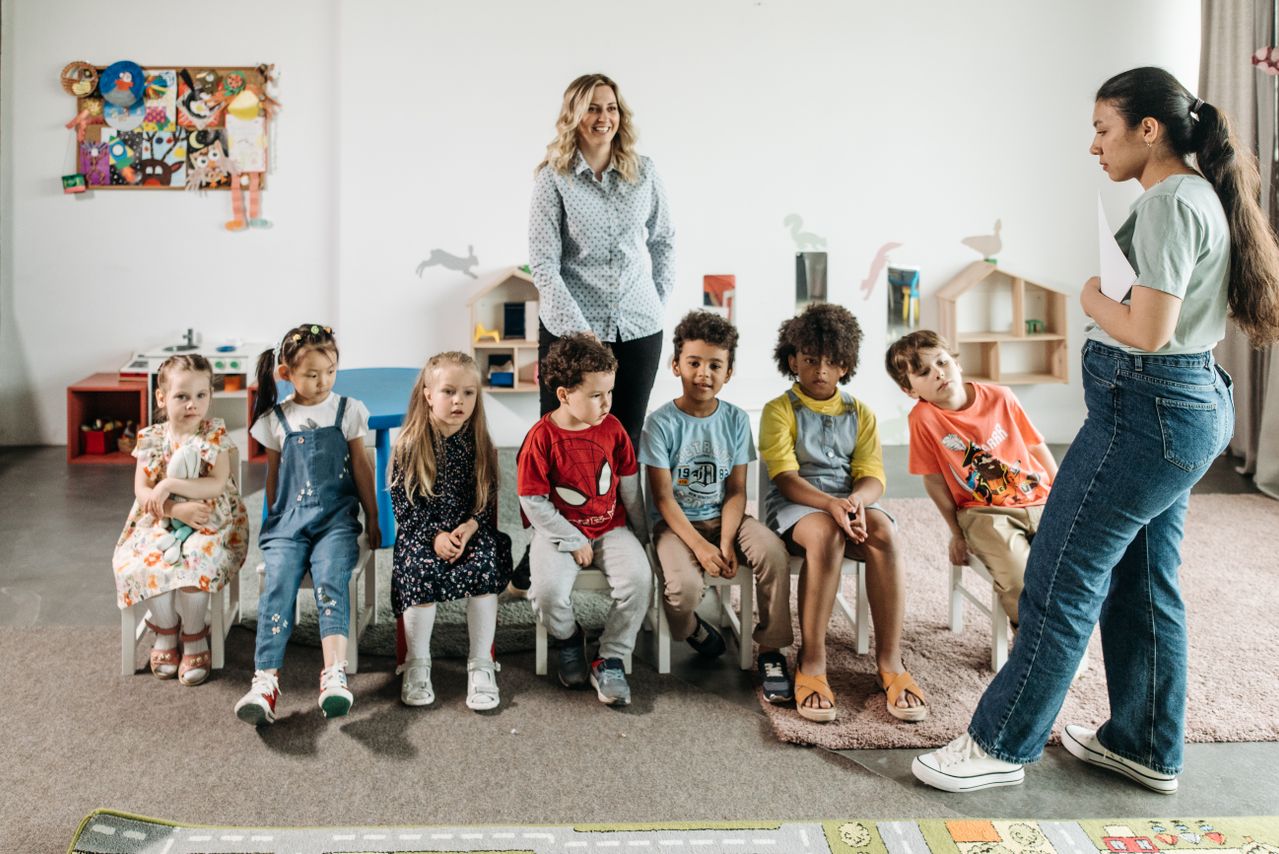
Early childhood educators play a crucial role in supporting children’s cognitive, social, emotional, and physical development during their most formative years. The experiences children have in early learning environments often shape how they approach learning, build relationships, and develop essential life skills. Because of this significant responsibility, educators must possess a diverse set of skills that help them create positive and effective learning experiences.
Success in early childhood education requires more than subject knowledge and enthusiasm for teaching. Educators must be able to communicate effectively, understand children’s developmental needs, manage classroom activities, and respond to challenges with confidence. As classrooms become increasingly diverse and educational expectations continue to evolve, these professional skills become even more important. Developing and refining these abilities allows educators to support young learners better while creating environments that encourage growth, engagement, and long-term success.
Effective Communication Skills
Communication is one of the most important skills an early childhood educator can develop. Young children rely on clear instructions, supportive feedback, and positive interactions to understand expectations and engage in learning activities. Educators who communicate effectively can create an environment where children feel safe, valued, and encouraged to participate.
Strong communication extends beyond the classroom. Early childhood educators regularly interact with parents, caregivers, and colleagues. Sharing information about a child’s progress, addressing concerns, and collaborating on educational goals requires clarity, professionalism, and a deeper understanding of child development. As the demands of the profession continue to evolve, many educators seek opportunities to strengthen these competencies through advanced study. Pursuing a Masters in Child Development online program can help professionals develop stronger communication strategies and skills while gaining valuable insights into children’s learning and developmental needs. Institutions like Southeastern Oklahoma State University offer programs designed to provide a comprehensive understanding of early childhood development while offering the flexibility needed by working professionals.
Patience and Emotional Intelligence
Working with young children requires patience and a strong understanding of emotions. Children develop at different rates and may express their needs in ways that are not always easy to interpret. Educators who remain calm and patient can better support children as they learn new skills, navigate challenges, and build confidence.
Emotional intelligence is equally valuable in early childhood settings. Educators must recognize their own emotions while understanding the feelings of the children in their care. This awareness helps them respond thoughtfully to behavioral issues, encourage positive interactions, and foster emotional growth. A classroom built on empathy and respect creates a positive atmosphere where children can thrive.
Classroom Management and Organization
Effective classroom management helps create a structured environment where learning can take place without unnecessary disruptions. Young children benefit from predictable routines and clear expectations that help them understand daily activities. Educators who establish consistent procedures often find it easier to maintain engagement and support positive behavior.
Organization is another essential component of successful classroom management. Planning lessons, preparing materials, and maintaining a safe learning space require careful attention to detail. When educators stay organized, they can focus more on teaching and responding to children’s needs. A well-managed classroom supports both academic learning and social development, helping children feel secure and ready to learn.
Creativity and Adaptability
Creativity helps early childhood educators design learning experiences that capture children’s attention and encourage participation. Young learners often respond best to activities that are interactive, engaging, and tailored to their interests. Educators who think creatively can introduce concepts in ways that make learning enjoyable while supporting developmental goals.
Adaptability is equally important because no two classrooms are exactly alike. Children’s needs, abilities, and learning preferences can vary significantly. Educators who adjust their teaching methods when necessary can better support individual learners and maintain productive classroom environments. Flexibility allows them to respond effectively to unexpected situations while keeping children engaged.
Knowledge of Child Development
A strong understanding of child development helps educators make informed decisions about teaching strategies and classroom expectations. Children progress through developmental stages at different rates, and recognizing these differences allows educators to provide appropriate support. This knowledge serves as the foundation for effective teaching because it helps educators align learning activities with children’s abilities, interests, and developmental needs.
Professional growth often plays an important role in strengthening this expertise. Many educators choose to pursue additional qualifications, such as masters in child development online, to gain deeper insights into developmental theories, learning processes, and evidence-based teaching practices. Advanced knowledge can help educators create more effective learning experiences and better support children’s growth.
Observation and Assessment Skills
Observation is a valuable tool for understanding how children learn, interact, and develop new skills. By paying close attention to children’s behavior and participation, educators can identify strengths, interests, and areas where additional support may be needed. These observations provide useful information that can guide instructional planning.
Assessment in early childhood education extends beyond formal testing. Educators often gather information through daily interactions, classroom activities, and developmental checklists. When used thoughtfully, assessment helps educators monitor progress and make adjustments that support each child’s learning journey. It also provides meaningful insights that can be shared with families.
Problem-Solving and Critical Thinking
Early childhood educators face a variety of situations that require quick thinking and sound judgment. Classroom conflicts, behavioral challenges, and unexpected disruptions can occur at any time. Strong problem-solving skills help educators address these issues effectively while maintaining a positive learning environment.
Critical thinking allows educators to evaluate situations carefully before making decisions. Rather than relying on a single approach, they can consider multiple solutions and choose the one that best supports children’s well-being and development. This skill contributes to better classroom management and helps educators respond confidently to complex situations.
Supporting Success Through Continuous Skill Development
The responsibilities of early childhood educators extend far beyond teaching basic academic concepts. Effective communication, patience, organization, creativity, developmental knowledge, observation, and problem-solving all contribute to creating positive learning experiences for young children. These skills work together to support children’s growth and help educators navigate the challenges of the profession.
As educational expectations continue to evolve, ongoing professional development remains essential. Educators who invest in strengthening their skills are better prepared to meet the diverse needs of learners and families. By continuously building their expertise, they can make a lasting impact on children’s educational experiences and future success.
 Mudsr
Mudsr  Mariah