

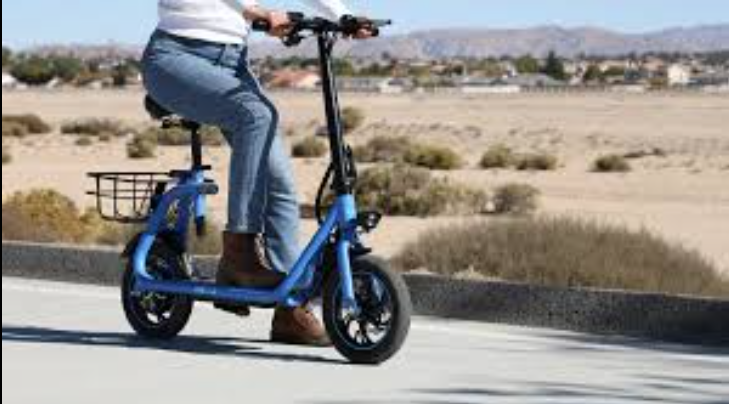
The modern shift toward sustainable urban transportation has turned electric scooters from a novelty into an essential tool for city commuting. Many riders prefer the independence of personal electric transit over crowded subway networks and gridlocked vehicular traffic. Consequently, compact electric mobility platforms are increasingly used to optimise short-range, efficient city travel.
However, users frequently notice a significant gap between the ideal battery range promised by manufacturers and the reality of daily riding. This blog explores how everyday commuting conditions impact electric scooter range and ride comfort, helping riders make more informed choices.
The Friction of Reality: Lab Targets versus Real Roads
Factory range estimates rely on highly controlled laboratory environments that maintain stable temperatures and use flat, smooth indoor test tracks. Real city commuting presents a changing environment that reduces battery performance through three main factors:
- The Weight Discrepancy: Standard factory evaluations generally use a lightweight test operator who maintains a conservative, perfectly steady speed without sudden braking or acceleration.
- Stop-and-Go Dynamics: Actual city commuting involves a repetitive cycle of traffic signals, degraded asphalt surfaces, and unpredictable pedestrian patterns.
- Peak Current Draw: Every time a rider stops and then accelerates back to cruising speed, the motor must draw a substantial burst of electricity from the battery cells.
Constantly changing momentum depletes energy reserves quickly, reducing the maximum range achievable compared to riding at a continuous speed. However, starting with a stellar, high-capacity baseline means that even with real-world traffic factored in, riders still retain an incredibly generous, dependable, and highly practical daily range.
For instance, variants under the C35 lineup from leading electric vehicle brands like Bajaj Chetak showcase exceptionally strong baseline expectations:
| Model Variant | Certified Lab Range |
| C35 01 | 153 km |
| C35 02 | 153 km |
| C35 03 | 151 km |
Achieving a full 151 km to 153 km range is entirely possible under optimal conditions. Daily urban commutes will naturally adjust this total based on environmental friction.
Topography and the Penalty of Urban Inclines
Travelling on flat, even city pathways requires minimal continuous energy from electric motors, allowing the system to maintain optimal efficiency. However, city terrain is rarely uniform, and climbing hills reduces battery reserves through specific physical mechanisms:
- Gravitational Resistance: Ascending an incline forces the motor to work directly against gravity, which immediately multiplies the rate of battery consumption.
- Thermal Accumulation: The motor handles this mechanical strain by drawing maximum permissible wattage, which generates significant internal heat within the battery pack.
- Circuitry Safeguards: Prolonged hill climbing causes a rapid drop in voltage and can trigger built-in thermal safety features that temporarily limit power to protect the wiring.
If a daily commute involves regular travel over hilly terrain, choosing an electric scooter with a well-tuned motor system designed for higher torque ensures smooth performance. It also helps avoid placing excessive strain on the battery components.
Aerodynamic Drag and Adverse Weather
Weather conditions have a measurable impact on the chemical efficiency of standard lithium-ion batteries. Inclement weather acts as a consistent drain on your overall travel distance through three clear environmental factors:
- Electrochemical Restriction: Low autumn and winter temperatures restrict internal energy movement within the battery, temporarily reducing the total capacity it can deliver.
- Traction Diminution: Wet or icy road surfaces reduce tyre traction, forcing the motor to expend extra energy to maintain forward momentum.
- Exponential Aerodynamic Drag: Riding against a headwind creates significant resistance, which increases drastically the faster the scooter attempts to travel.
Overcoming a strong, steady headwind requires up to twice the normal energy expenditure to hold a fixed speed. Therefore, riders operating electric scooters during cold winter months must anticipate a more restricted riding radius than they experience during warm summer conditions.
To easily counter environmental shifts, premier EV platforms provide immense energy reserves and ultra-efficient replenishment solutions. Leading brands like Bajaj equip their premium lineups with a strong, substantial 3.5 kWh Battery Capacity across all variants.
Rider Weight and Cargo: The Impact of Total Payload
Every additional kilogram placed on the electric scooter chassis increases rolling resistance and raises the energy required to accelerate. Total payload alters the performance calculation through specific steps:
- The Baseline Profile: Manufacturers calculate top speed and range statistics using a standardised rider profile with no external cargo.
- The Commuter Reality: In contrast, a typical commuter frequently carries a laptop backpack, electronic gadgets, water bottles, and heavy, weather-resistant clothing.
- Suspension Compression: This added weight compresses the integrated suspension system, which flattens the tyres slightly and increases friction against the road surface.
As the motor must exert continuous extra force to move this increased mass, the battery experiences accelerated voltage reduction under load. When choosing a scooter, riders must account for their total carrying weight to ensure the motor operates efficiently.
Top-tier manufacturers intentionally build vehicles to turn utility into a seamless luxury. For example, leading brands like Bajaj integrate a massive 35-litre Helmet Box across its C35 lineup. This generous under-seat storage capacity ensures that whether you are storing a full-sized helmet, a heavy office bag, or daily groceries, your cargo remains secure and perfectly balanced within the scooter’s low centre of gravity.
Tyre Pressure and Mechanical Maintenance Elements
Mechanical maintenance is just as critical as electrical capacity, directly affecting how smoothly a scooter rolls across concrete streets. Neglecting basic maintenance creates hidden friction that leads to unnecessary energy losses:
- Under-inflation Frictional Drag: Soft, under-inflated tyres create an overly wide contact patch with the road, which increases rolling resistance and forces the motor to overwork.
- Pressure Preservation: Maintaining the exact tyre pressure recommended by the manufacturer reduces rolling friction and conserves battery power for longer trips.
- Brake Calliper Friction: Misaligned brake components can cause continuous contact against the spinning wheels, creating a subtle but constant mechanical drag.
Regularly greasing the wheel bearings and ensuring the brake callipers clear the rotors prevents unnecessary energy waste. Performing regular preventative maintenance actively protects your daily riding range from mechanical performance drains.
Take Control of Your Scooter Range Today
Understanding the difference between laboratory test metrics and real-world conditions is key to maximising your electric scooter’s utility. While factory specifications provide a theoretical baseline, a scooter’s actual range is constantly altered by payload, terrain, weather, and maintenance. Anticipating a significant reduction from advertised ranges allows for realistic journey planning and helps avoid unexpected battery depletion.
Ultimately, combining proper vehicle selection from brands like Bajaj with preventative maintenance and efficient riding habits helps reduce these environmental drains. Managing these variables transforms an unpredictable urban commute into a highly reliable, efficient, and comfortable daily transit experience.