

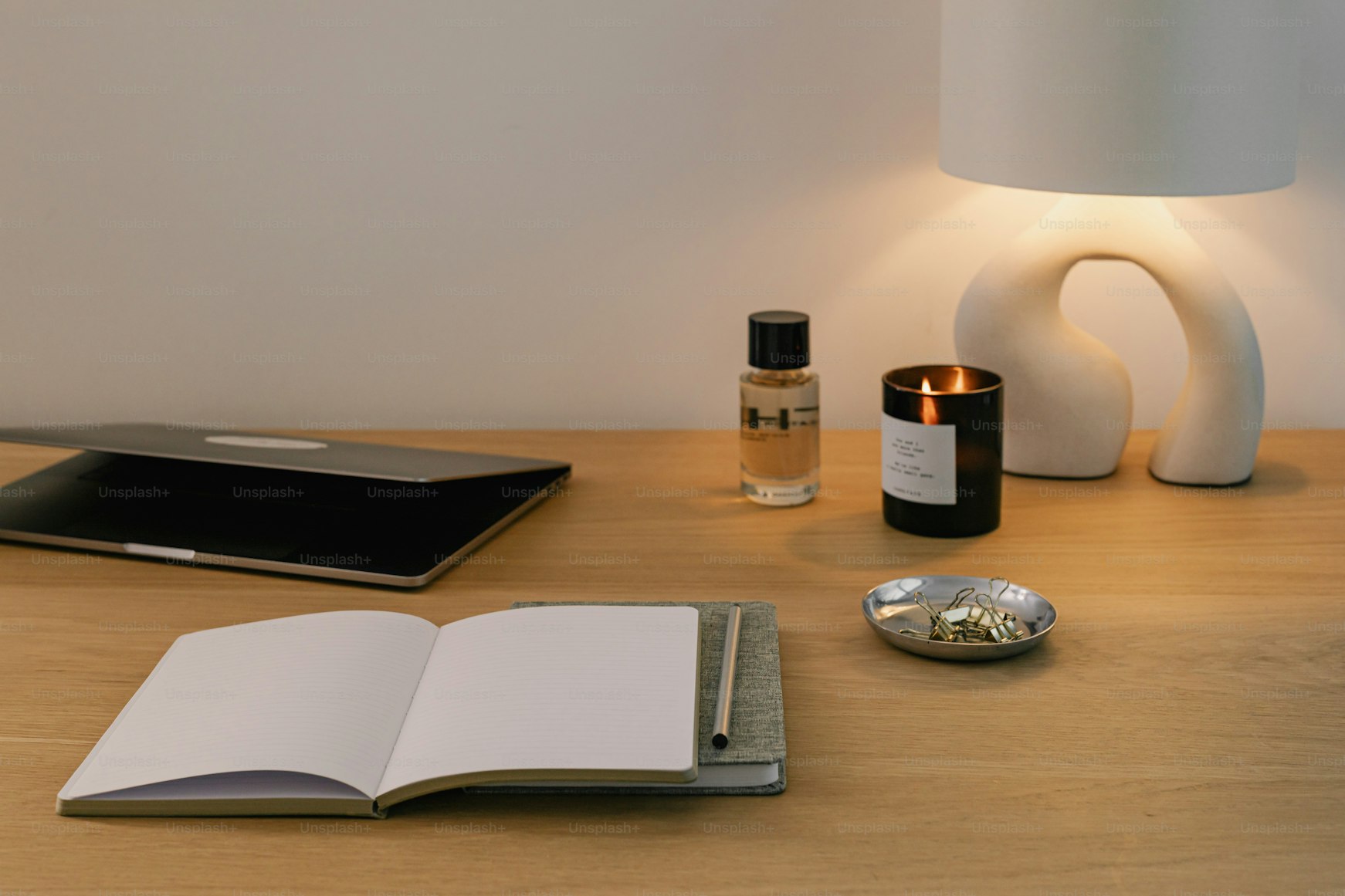
Selecting a fragrance for a professional setting requires an awareness of shared spaces. Office environments often require people to work in close proximity – it is important to choose scents that are present but not strong. A fragrance that is subtle supports a professional appearance and a calm impression. Indoor temperatures and air circulation also change how a scent behaves during the day.
Fragrance Balance in the Workplace
The selection process begins with fragrances that are light and have limited projection. Scents that are dense or sugary can be uncomfortable in small rooms over multiple hours. Lighter compositions that stay near the skin are better for the office because they are noticeable only to people nearby – this choice shows respect for colleagues and follows professional etiquette.
Daily routines also influence how others perceive a scent – Commuting and meetings can increase how much a fragrance is noticed. Perfumes that become quiet quickly after application are less likely to disturb others. Some products, like Versace Eros, have a high level of projection – it is helpful to use them in small amounts to remain professional.
Managing Scent Strength
Control over scent strength is vital because projection determines how far a smell travels. Eau de toilette versions or light applications are usually more appropriate than heavy sprays. Using a small amount on the wrists or behind the ears maintains a professional presence – this method ensures that the fragrance is a minor detail rather than a distraction.
Timing is another factor in maintaining moderation – Applying a large amount in the morning can lead to a smell that is too intense for small workspaces. Some individuals change how much they use depending on their schedule of meetings. Fragrances like Jean Paul Gaultier Le Male are distinct but they are suitable for the office if the user applies them with restraint.
Selecting Professional Scents
The ingredients of a perfume determine if it is suitable for work. Scents that are fresh or smell like light wood are often unobtrusive. Citrus and soft musk are common choices for professional settings because they are clear and do not become heavy – these scents are unlikely to interfere with the concentration of colleagues while providing a polished personal style.
Users should consider how a fragrance changes after it is applied. Certain perfumes develop into deep or heavy smells that are not ideal for all offices. It is helpful to select perfumes that stay the same from the morning until the end of the day. Consistency ensures the scent remains appropriate for meetings and desk work without the need for more applications.
Application Methods for the Workplace
Technique is as important as the scent itself – A single spray is often more effective than multiple sprays when people work in shared areas. Applying perfume to pulse points without adding other scented products helps keep the effect minimal. It is also polite to let the fragrance dry before entering a room with other people to lower the initial strength.
Environmental factors also influence application habits – Air conditioning can make a scent last longer, while warm air can make it travel further. Adjusting the amount used based on the room temperature ensures better control – this careful approach helps a person maintain a professional image while enjoying their personal fragrance.
Conclusion
Choosing an office perfume involves more than finding a pleasant smell. It requires a focus on strength, ingredients and application to maintain balance in a shared space. A fragrance that is used correctly supports a person’s presentation and respects the workspace. By prioritizing subtlety and light projection, individuals can maintain a consistent professional presence throughout the day.
 Mudsr
Mudsr