

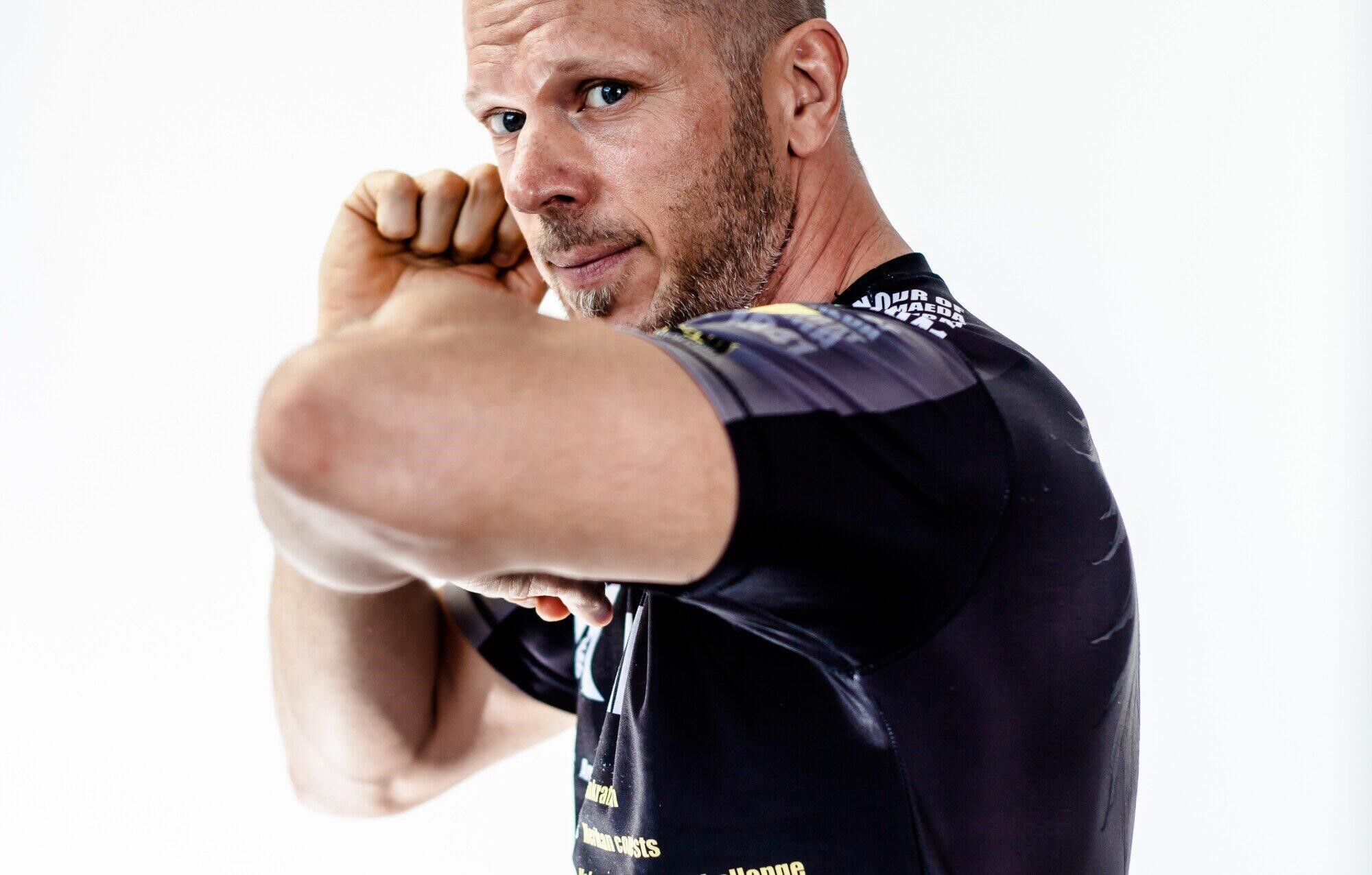
Have you ever noticed how martial arts training seems to shape more than the body? The steady practice, clear rules, and repeated drills can help people build habits that carry into school, work, fitness, and daily life.
Martial arts is not only about learning how to strike, block, or move well. It also teaches patience, self-control, and mental focus through structured effort.
This article explains how martial arts training builds discipline and focus while supporting stronger physical and personal growth.
Training Builds Daily Discipline
Martial arts give students a clear routine to follow. Classes often begin with warmups, basic movements, and focused practice before harder skills are introduced. This structure helps students learn that progress comes from steady effort, not shortcuts.
Discipline grows when students repeat the same skills with care. A punch, kick, stance, or escape may take many attempts before it feels natural. Over time, that process teaches patience and respect for small improvements.
Focus Improves Through Repetition
Martial arts require full attention during every drill. Students must watch the instructor, listen to corrections, and control their bodies at the same time. This keeps the mind active and teaches people to stay present.
Repetition also trains the brain to block out distractions. When students practice forms, footwork, or partner drills, they must think about timing and balance. That kind of focus can help outside the gym, too.
Goals Make Progress Clear
Martial arts uses clear goals to keep students motivated. A new skill, belt level, or fitness milestone gives each person something to work toward. These goals make effort feel more useful and easier to measure.
Structured learning also supports people who want to teach or coach later. Programs like https://www.americansportandfitness.com/products/mma-martial-arts-certification can help connect martial arts practice with safe fitness instruction. That kind of education shows how discipline can become a skill that helps others.
Physical Control Supports Mental Control
Martial arts teaches students to move with purpose. Good technique depends on posture, breathing, timing, and control. As students improve these skills, they also learn to slow down and think before acting.
This physical control can lead to better emotional control. A hard class may bring stress, frustration, or fatigue, but students still have to stay calm. That practice can build confidence during pressure in everyday life.
Better Habits Last Beyond Class
The habits learned in martial arts do not stay on the mat. Students often carry better focus, respect, and patience into other parts of life. Simple habits like showing up on time and listening closely can make a real difference.
Martial arts also teaches people to keep going after mistakes. Missing a step or losing balance is part of the process. Instead of quitting, students learn to adjust, try again, and improve.
Stronger Mind Stronger Life
Martial arts training helps people grow through steady action and clear purpose. It builds discipline by turning effort into a habit, one class at a time. It also improves focus by asking students to stay aware of their bodies, choices, and goals.
These lessons can support better fitness, confidence, and daily behavior. With the right mindset, martial arts becomes more than training and starts becoming a practical guide for life.
Did you like this guide? Great! Please browse our website for more!