

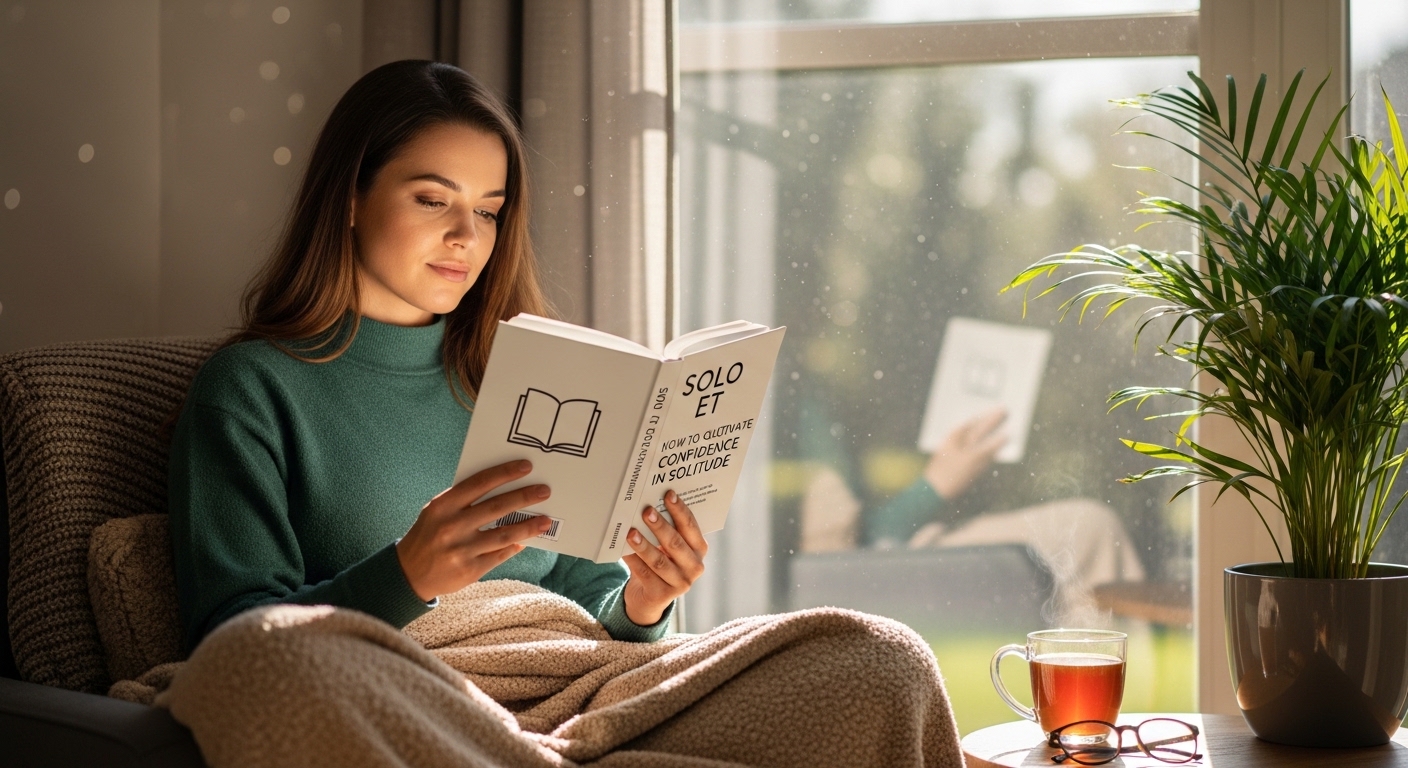
In a world that thrives on connection and constant engagement, the concept of solitude can often feel daunting. Many people shy away from being alone, mistaking it for loneliness when in reality, solitude can be a powerful tool for self-discovery and growth. Enter “Solo Et,” a mindset that encourages individuals to embrace their own company with confidence. Cultivating this sense of assurance while spending time alone is not just beneficial—it’s transformative.
Imagine sitting quietly with your thoughts, free from distractions or obligations. It’s during these moments that clarity emerges, creativity blossoms, and true self-acceptance flourishes. If you’ve ever struggled to find comfort in your own presence or felt anxious about being by yourself, you’re not alone. The journey toward cultivating confidence in solitude starts here. Let’s explore how you can harness the power of being comfortable in your own skin and transform those solitary moments into opportunities for personal empowerment.
The Importance of Being Confident in Solitude
Confidence in solitude is essential for personal growth. When you’re at ease with yourself, you create space for introspection. This self-reflection fosters a deeper understanding of your thoughts and emotions.
Being confident while alone allows you to explore interests without external influence. You can try new hobbies, read, or simply relax—no need to impress anyone else.
Moreover, solitude equips you with resilience. Facing your own fears and vulnerabilities teaches valuable life lessons. It strengthens mental fortitude when social challenges arise.
Additionally, embracing moments of solitude empowers decision-making skills. With clarity that comes from quiet time, choices become more aligned with your true values rather than societal expectations.
Confidence in being alone nurtures creativity too. Many artists find their muse during solitary hours; inspiration often strikes when the mind isn’t distracted by others’ opinions or distractions.
Understanding the Difference Between Loneliness and Solitude
Loneliness and solitude are often mistaken for one another, yet they carry vastly different meanings. Loneliness is a feeling of emptiness, an emotional state triggered by the absence of connection with others. It can be suffocating, leaving you yearning for companionship.
Conversely, solitude is an intentional choice—a time to embrace your own company. It’s about self-reflection and personal growth without external distractions. Solitude encourages creativity and introspection.
Understanding this distinction empowers you to appreciate alone time as a valuable resource rather than a void to fill. When you learn to differentiate between these two states, you can cultivate confidence in moments spent alone while fostering deeper connections when surrounded by others. Embracing solitude allows for inner peace and clarity that loneliness rarely provides.
Practical Tips for Cultivating Confidence in Solitude
Start by embracing the quiet. Find a comfortable spot in your home where you can sit undisturbed. Allow yourself to simply be present.
Next, engage in activities that bring you joy. Whether it’s painting, writing, or gardening, focusing on something you love can help reinforce feelings of self-assurance.
Practice mindfulness through meditation or deep breathing exercises. These techniques center your thoughts and foster a sense of calm within solitude.
Set small goals for your alone time. Plan daily tasks that challenge you but are achievable, like reading a book or trying out a new recipe.
Document your experiences in a journal. Writing about moments spent alone helps clarify emotions and reinforces positive reflections on solitude. You’ll find strength as you recognize how much you’ve grown during these times of introspection.
The Benefits of Embracing Alone Time
Embracing alone time can be a powerful tool for self-discovery. It allows you to delve deeper into your thoughts and feelings without distraction. This quiet space fosters creativity, enabling new ideas to flourish.
When you spend time by yourself, you develop a stronger sense of identity. You learn what truly matters to you, away from external influences. It’s an opportunity for personal growth that often goes unnoticed in the hustle of daily life.
Alone time also enhances mental clarity. Without the noise of social interactions, your mind has room to breathe and process information more effectively. This can lead to better decision-making.
Moreover, solitude can improve emotional resilience. Facing your own thoughts helps build coping strategies for future challenges. In this stillness, you’re able to cultivate confidence in who you are—embracing every facet of yourself with pride.
Overcoming Fear and Anxiety in Solitude
Fear and anxiety often creep in when we find ourselves alone. The silence can feel deafening, amplifying our insecurities.
To combat this, it’s essential to acknowledge those feelings without judgment. Accepting fear as a natural response is the first step toward overcoming it.
Practice mindfulness techniques like deep breathing or meditation. These methods help ground you in the present moment, reducing anxious thoughts about what could happen next.
Engage with your surroundings during solitude. Whether it’s journaling your thoughts or exploring nature, keeping busy can shift focus away from overwhelming emotions.
Remember that solitude isn’t an enemy; it’s an opportunity for self-discovery and growth. Building resilience against these fears takes time but is entirely possible with consistent practice and patience.
Finding Balance: Balancing Time Spent Alone and With Others
Finding balance between solitude and social interactions is essential for emotional health. Too much alone time can lead to feelings of isolation, while excessive engagement with others might drain your energy.
Start by recognizing your needs. Some days call for introspection, while others crave connection. Listen to your instincts; they often guide you toward what feels right.
Set boundaries around social commitments. Prioritize quality over quantity in relationships. One meaningful conversation can be more fulfilling than several superficial ones.
Schedule solo adventures or downtime amidst busy weeks filled with events. Embrace the joy of spending time alone without guilt—it’s an opportunity for personal growth.
Remember that nurturing both aspects enriches life experiences, creating a harmonious blend that fosters confidence in solitude as well as enjoyment in company. Find what works best for you, and don’t hesitate to adjust when necessary; flexibility is key in maintaining this equilibrium.
Conclusion
Finding confidence in solitude is a journey that many embark on. It’s essential to recognize the value of being comfortable with ourselves when we are alone. Embracing solo time can lead to significant personal growth and self-awareness.
Understanding the distinction between loneliness and solitude allows us to appreciate our own company without fear. Practicing this skill not only enhances our confidence but also enriches our lives in unexpected ways.
The practical tips outlined serve as stepping stones towards feeling more secure during these quiet moments. As individuals, we have unique paths; finding what resonates with us will deepen our experience of solitude.
Balancing time spent alone with interactions with others fosters a healthy lifestyle. Understanding when we need personal space versus social engagement can enhance both aspects of life.
As you navigate your relationship with solitude, remember it’s about embracing who you are at your core. Confidence flourishes in spaces where we feel safe and content within ourselves—so take the leap into St!
 admin
admin  Mudsr
Mudsr