

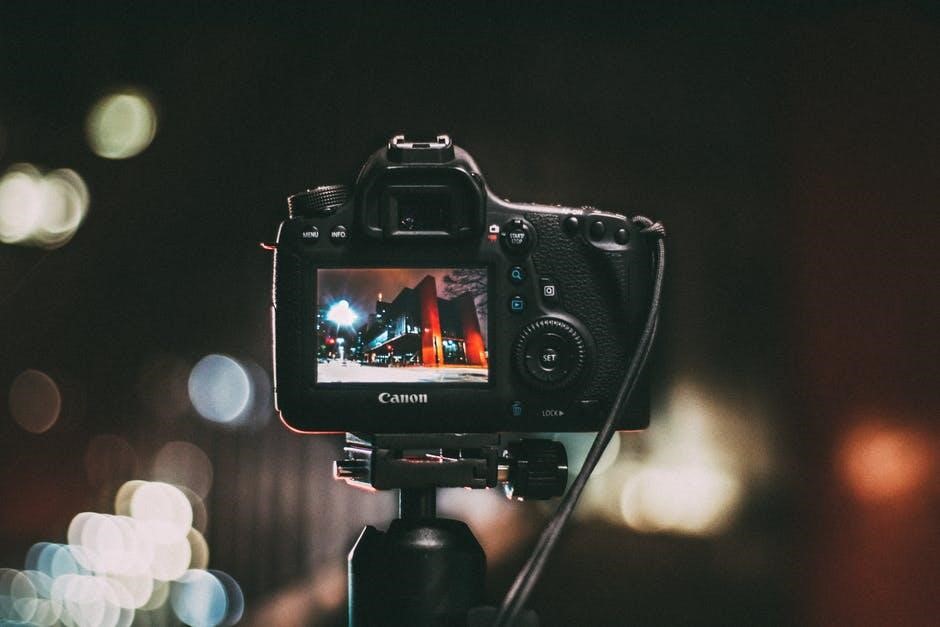
Digital photography is fast and convenient, but it can’t fully capture the warmth and charm of film. Film photos have a unique texture, color, and feel that digital images often miss. Using film slows you down, making every shot more thoughtful and meaningful.
Pick up a camera today and experience the magic for yourself. Even a simple point and shoot camera can create images that feel alive and timeless. Continue reading to discover everything you need to know.
The Unique Look of Film
Film photography has a distinct look. Colors are soft yet rich, and highlights and shadows have a natural depth.
Grain gives images texture that feels real. No digital filter can completely copy this. Every frame has slight variations that make it one of a kind.
Film also captures light differently than digital cameras. The way sunlight, street lamps, or shadows fall on film gives a soft, glowing effect.
This creates photos with mood and emotion that feels organic. It’s part of the reason many photographers still choose film over digital.
Slowing Down Your Process
Shooting on film forces you to slow down and you can’t instantly check every picture, and each shot costs money and this encourages careful framing, focus, and timing. You think about the moment instead of snapping endlessly.
This slower approach often leads to better photographs. You notice details you might miss with digital and over time, it helps you become a more mindful and skilled photographer. The process itself becomes as enjoyable as the result.
The Satisfaction of Physical Prints
Film gives you tangible photos you can hold and display. Holding a developed print feels different than seeing an image on a screen. Prints have texture, weight, and color depth that makes them feel alive.
Albums, frames, and scrapbooks let you share memories in a way digital screens cannot. The act of printing also encourages selecting your best shots and it makes photography more intentional and meaningful.
Learning the Art of Exposure
Film photography teaches you about light and exposure. Each shot counts, so you learn to read natural and artificial light carefully. Shutter speed, aperture, and film type all change the final image.
Making adjustments manually gives you control and understanding. Over time, you learn to anticipate how light and shadows will affect your photo. This skill improves your photography, even if you later switch to digital.
The Beauty of Imperfection
Film is not perfect, and that’s part of the charm. Grain, scratches, or slight color shifts add character. These imperfections make each photo unique and interesting.
Digital images often feel too clean or sterile. Film embraces unpredictability. Each roll can surprise you with unexpected results, giving your work personality and warmth.
Variety of Film Types
There are many types of film to explore. Black and white film emphasizes contrast and texture and color film captures tones softly and naturally. Specialty films can create faded, high-contrast, or vintage effects.
Trying different films encourages experimentation and it also helps you find a style that matches your vision. This variety keeps film photography fresh and exciting. Exploring new films can also teach you how different chemicals and exposure settings affect the final image, giving you more control and confidence in your creative choices while keeping the process fun and inspiring.
Creative Limitations Inspire Innovation
Film has limits: rolls have a fixed number of frames, and you cannot erase mistakes. These restrictions push photographers to think creatively. You plan shots, compose carefully, and experiment in smart ways.
Constraints often lead to more innovative photos and they teach you patience and creativity. Many photographers say limitations make film more rewarding than digital. Working within these limits also helps you appreciate each exposure, focus on quality over quantity, and develop a stronger eye for detail, making every photo more intentional and meaningful.
Developing and Processing Film
Processing film is part of the fun and you can develop it at home or at a lab. The chemicals, timing, and handling all affect the final result. Developing teaches you the science behind photography and gives a deeper appreciation for each image.
Even waiting for photos to be developed creates excitement. You never know exactly how the final image will look and this anticipation adds to the magic of film photography. The process also encourages patience and attention to detail, making each successful photo feel like a personal achievement and adding a sense of pride to your work.
Connecting With a Community
Film photography has a growing community. Photographers share tips, trade rolls, and discuss cameras and techniques. Online forums, clubs, and workshops make it easy to learn from others.
Being part of this community inspires creativity. You exchange ideas and see approaches you may not have tried and it also keeps the tradition of film alive in a digital world. Connecting with others can lead to collaborations, group projects, and photo walks, giving you opportunities to grow, gain feedback, and stay motivated while exploring new styles and techniques.
Investing in a Camera Collection
Film cameras come in many styles and prices. From an old manual SLRs to a modern point and shoot camera, each offers a unique experience. Collecting cameras can be a hobby itself, giving you tools for different types of photography.
Different cameras produce different images. Lens quality, mechanics, and film compatibility all change the final shot.
Exploring gear adds another layer of enjoyment to the process. Trying new cameras also teaches you more about composition, lighting, and technique, making you a better photographer while keeping each photo session exciting and full of discovery.
Embrace the Timeless Appeal of Film
Film photography offers a charm that digital cannot replicate. Its colors, textures, and imperfections create images full of warmth and character. The slower pace, tangible prints, and creative challenges make the process rewarding and memorable.
Pick up a film camera, experiment with different rolls, and enjoy the journey. Every frame is a piece of art you can hold, share, and treasure. Rediscover the timeless magic of film photography today, and experience the feeling that no digital file can replace.