

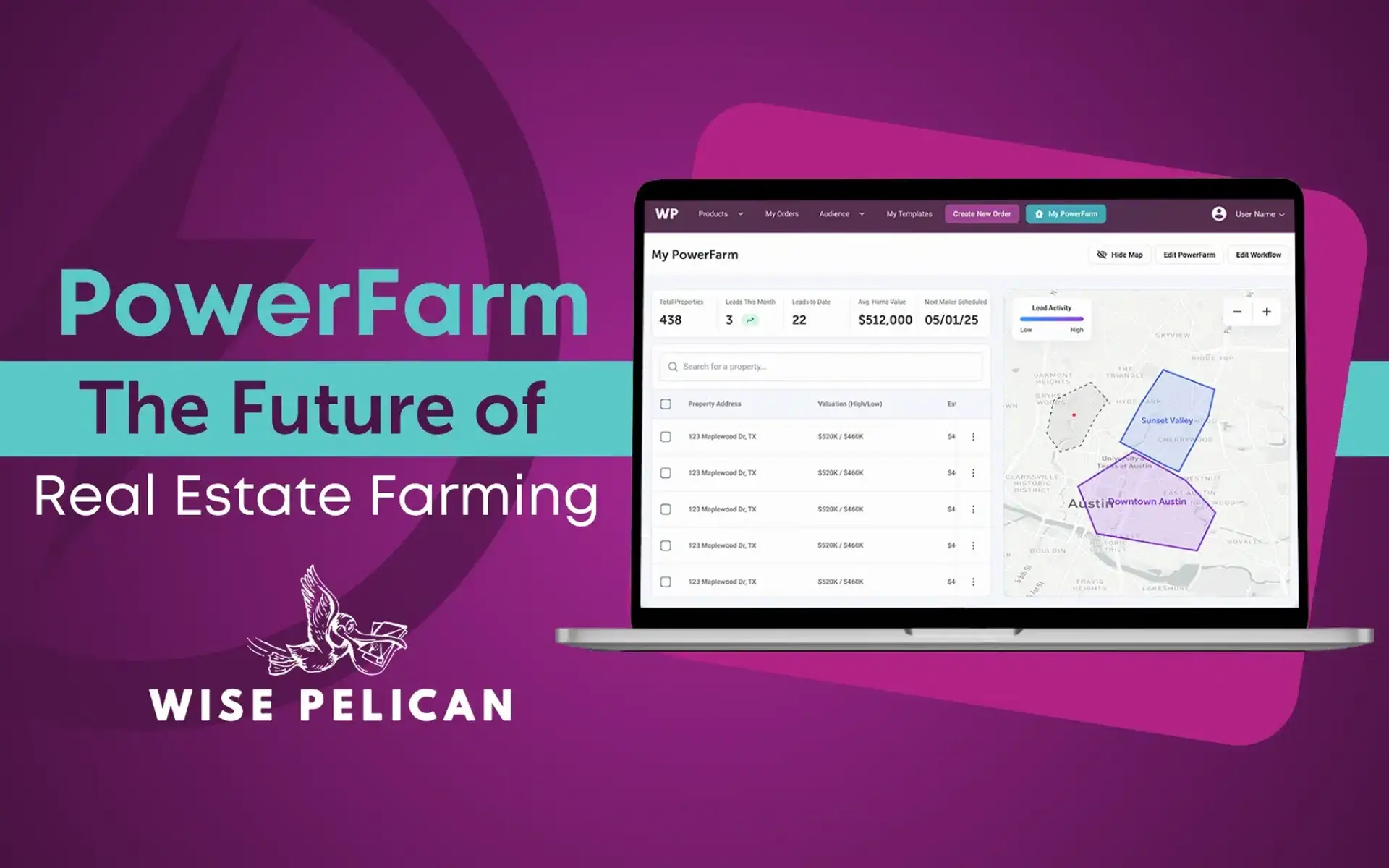
Real estate farming works best when an agent stays visible in the same neighborhood over a long period of time. Homeowners usually remember the names they see again and again. That is why success in this space depends less on one strong campaign and more on a system that keeps outreach steady.
This is where direct mail automation becomes valuable for agents who want more structure behind their marketing. A reliable system can keep campaigns on schedule when daily responsibilities begin to compete for attention. For agents who want farming to produce lasting results, that added control can make a real difference.
Consistency Builds Recognition
One reason real estate farming loses momentum is inconsistent follow-through. An agent may begin with a solid plan, send a few mail pieces, and then pause once appointments, listings, and client issues take priority. When that happens, the neighborhood stops hearing from the agent often enough to build familiarity.
Automation helps solve that issue because it keeps outreach moving according to a defined plan. Instead of relying on spare time and memory, the campaign continues with a steadier rhythm. Over time, that consistency helps homeowners connect the agent’s name with the local market.
Better Use of an Agent’s Time
Most agents already work through full schedules, which leaves little room for repetitive marketing tasks. When every campaign requires manual preparation, mailing becomes one more demand that takes time away from other operations. That pressure usually leads to delays or a campaign that never reaches the frequency needed to make an impact.
Automation reduces that strain by shifting routine work into a more organized process. Mail schedules, audience lists, and campaign flow can stay active without constant attention from the agent. That allows more time for the parts of the business that directly support revenue and client relationships.
Stronger Timing Improves Results
In neighborhood farming, timing can shape how relevant a message feels when it reaches a homeowner. A postcard that arrives after a market shift or a local sales update has already passed may still look professional, but it loses part of its impact. When campaigns follow a thoughtful schedule, the message feels more connected to what is happening in the area.
This is one of the practical strengths of direct mail marketing automation. It allows agents to plan mail pieces around seasonal activity, local trends, and neighborhood opportunities with greater precision. A better-timed message feels more useful, which can improve response over time.
More Relevant Communication
A farm area may seem uniform, but the homeowners in it do not all respond to the same type of message. Some care about recent sales, while others pay closer attention to property value, local demand, or market movement. If every household receives the same message every time, the campaign can start to feel generic.
Automation supports more thoughtful outreach by making it easier to group contacts and send content that fits different interests. That added relevance gives the message a better chance of being noticed and remembered. When mail feels more useful to the recipient, it supports stronger engagement across the farm.
A Stronger and More Stable Brand Presence
Brand recognition in real estate grows through repetition and consistency. When the same name, visual style, and message appear with enough regularity, homeowners begin to associate that agent with trust and local familiarity. If campaigns look disconnected or change too much from one piece to the next, that effect becomes weaker.
Automation helps maintain a more stable brand presence because it supports continuity across multiple campaigns. The agent does not need to rebuild the visual identity or core message every time a mail piece goes out. That consistency creates a more polished impression and helps the neighborhood remember who the agent is.
Easier Growth Without More Pressure
Many agents want to expand their farming efforts but hesitate because growth usually means more complexity. A larger audience brings more addresses, more campaign dates, and more room for small errors that can weaken the quality of the outreach. Without the right system, expansion can feel harder to manage than the opportunity is worth.
Automation makes growth more realistic by giving structure to the process. An agent can add another neighborhood or increase the size of an existing farm without depending entirely on manual tracking. This makes expansion feel more manageable and gives the business room to grow without unnecessary stress.
Clearer Insight Into Performance
Marketing improves when the agent can see what is working and what needs to change. If mail goes out without clear records, it becomes difficult to understand why one campaign performed better than another. That lack of visibility can lead to repeated mistakes and weaker long-term decisions.
Automation creates a more organized framework for review. When campaigns follow a clear pattern, the agent can better evaluate timing, audience response, and message performance. That insight helps turn neighborhood farming into a more informed process instead of one built mainly on guesswork.
Better Follow-Through Over Time
A strong marketing idea can fail if the follow-through weakens after the first few steps. Real estate farming depends on repetition, and repetition becomes difficult when it relies on memory or spare time that may disappear during busy periods. Missed mail cycles can interrupt the momentum that helps build trust in a neighborhood.
Automation gives follow-through a more dependable structure. Instead of hoping there will be enough time to prepare the next campaign, the agent can rely on a system that keeps outreach active. That dependability helps preserve visibility in the farm area and supports stronger long-term results.
A Better Fit Within a Broader Strategy
Mail campaigns work best when they support the rest of an agent’s marketing activity. A postcard should reflect the same local position, tone, and professional identity that appear in the agent’s wider outreach. When those elements connect well, the message becomes more memorable and more effective.
This is where marketing automation direct mail adds practical value. It helps turn mail into a more integrated part of the overall business strategy instead of a separate task that only receives attention now and then. That stronger alignment supports better recognition and a more consistent market presence.
Direct mail automation tools can strengthen real estate farming because they help agents stay visible, organized, and relevant in the neighborhoods they want to serve. They reduce the burden of manual campaign management and support better timing, clearer branding, and stronger follow-through. When used well, they can turn neighborhood outreach into a more dependable source of future business.