

A printed message can be beautiful, but handwriting carries something different. It has small pauses, uneven lines, soft curves, and tiny imperfections that feel human. A parent’s note, a child’s short message, a wedding vow, or a loved one’s signature can turn an ordinary leather item into something deeply personal.
That is why laser engraving handwritten notes onto leather keepsakes has become such a meaningful craft idea. It is not just about putting words on a surface. It is about preserving a real trace of someone’s hand on an object that can be carried, touched, gifted, and kept for years.
Leather works especially well for this kind of personalization because it feels warm and lasting. A handwritten line on a wallet insert, journal cover, bookmark, keychain, or keepsake box can feel much more intimate than standard printed text.
Why Handwritten Notes Make Leather Keepsakes Feel More Personal
Handwriting has emotional value because it belongs to a specific person. Even a short sentence can feel powerful when it keeps the original shape of the writer’s hand. A typed message may be easier to read, but it does not carry the same personal rhythm.
For family gifts, handwritten notes can preserve memories that may otherwise stay hidden in old cards, letters, or notebooks. A grandparent’s recipe line can become part of a leather journal. A child’s “I love you” can be engraved onto a keychain. A short memorial message can be placed on a framed leather piece or keepsake box.
For romantic gifts, handwriting can make a simple object feel private. A wedding vow excerpt, anniversary sentence, nickname, or signature can turn a wallet, bookmark, or leather tag into something that feels made for one person only.
What Makes Leather a Good Material for Handwritten Engraving?
Leather has a softer, warmer feeling than metal or glass. It also lasts longer than paper when cared for properly. That makes it a strong choice for daily items like wallets, journals, bookmarks, keychains, watch straps, bag tags, card holders, and desk accessories.
Different leather types create different engraving results. Vegetable-tanned leather is often a good option for testing because it can show contrast clearly. Full-grain leather has natural texture and character, which can make a keepsake feel more authentic. Leatherette or PU leather may work in some cases, but the material must be confirmed as laser-safe before engraving. Unknown synthetic leather can contain unsafe compounds or react poorly under heat.
Color and finish also matter. Light leather often shows handwriting more clearly, while dark leather may need more careful testing to avoid a weak mark. Glossy, waxed, dyed, or coated leather can create smoke stains or uneven contrast.
From Paper to Leather: How a Handwritten Note Becomes an Engraving File
A good engraving starts with a clean handwriting sample. The best source is usually dark ink on plain white paper, scanned or photographed in bright, even light. Shadows, wrinkles, colored backgrounds, and blurry photos make the file harder to clean.
The next step is editing the image without removing its personality. Background marks can be cleaned up. Contrast can be improved. Small dust spots can be removed. But the natural pressure, curves, spacing, and uneven strokes should stay. If the note is over-edited, it may stop looking like real handwriting and start looking like a digital font.
Sizing is just as important. A wallet insert may only have room for a short sentence or signature. A journal cover can hold a longer note. A keychain needs something very short, such as initials, a date, or one meaningful word. If a long letter is reduced too much, the strokes may blur together and lose the feeling that made the note special.
Design Choices That Make Laser Engraved Leather Look Elegant
Handwritten engraving works best when the design has breathing room. A keepsake does not need to be filled edge to edge. In many cases, a short note placed in the lower corner of a journal, inside a wallet, or across a bookmark feels more refined than a crowded layout.
Good laser engraved leather keeps the handwriting readable while still leaving enough space for the leather texture to show. The material is part of the design, not just a blank background.
Keep the handwriting size realistic. Long messages should be placed on larger keepsakes, such as journal covers, leather albums, framed leather pieces, or keepsake boxes. Smaller items work better with signatures, dates, initials, coordinates, short nicknames, or one-line messages.
Placement should match the product. A wallet insert feels personal when the message is inside. A journal cover can carry a note near the corner or centered as the main design. A bookmark can pair a short handwritten line with a date. A leather patch should stay simple so the writing does not compete with the stitching, shape, or branding.
Common Leather Keepsake Ideas for Handwritten Engraving
Handwritten leather keepsakes work well for romantic gifts, family memories, daily carry items, and small business products.
For romantic gifts, wedding vows, anniversary messages, short love notes, initials, and private phrases work well on wallet inserts, bookmarks, leather tags, or keepsake boxes. The message does not need to be long. One real handwritten sentence can feel more meaningful than a full printed paragraph.
For family keepsakes, a parent’s note, a child’s handwriting, a grandparent’s recipe line, or a memorial phrase can be engraved onto a journal, framed leather panel, keychain, or leather album. These pieces are less about decoration and more about preserving a voice.
Daily carry items are often the easiest products to test first. Wallets, notebook covers, bag tags, card holders, and keychains let the recipient keep the note close. For small businesses, handwritten-style thank-you notes, branded leather patches, custom journals, and client gifts can feel premium without being overly formal.
Choosing a Laser Etching Machine for Handwriting Detail on Leather
Handwritten notes are more delicate than block text. They include uneven pressure, small loops, thin strokes, and personal spacing. If the machine is unstable, poorly focused, or too aggressive, the writing can become blurry, too dark, or hard to read.
A precise laser etching machine helps preserve small handwriting details, soft curves, and thin strokes on leather keepsakes. This matters when engraving wallet inserts, journal covers, leather tags, bookmarks, patches, and branded accessories in repeat batches.
Before choosing the final product format, match the note length with the available engraving space. A short signature can stay clear on a wallet insert, but a long vow needs a larger surface. The table below gives a simple way to plan the keepsake before engraving.
Quick Guide: Matching Handwritten Notes with the Right Leather Keepsake
| Handwritten Content | Best Leather Keepsake | Why It Works | Design Tip |
| Short signature | Wallet insert, keychain | Easy to read at small size | Keep original stroke shape |
| Love note line | Journal cover, bookmark | Emotional but not crowded | Add date or initials |
| Wedding vow excerpt | Leather album, keepsake box | Fits formal gifts | Use clean spacing |
| Child’s handwriting | Bag tag, notebook cover | Keeps natural charm | Do not over-clean the file |
| Memorial message | Framed leather piece | Preserves sentimental value | Use simple layout |
| Business thank-you note | Leather card holder | Feels premium and personal | Keep branding subtle |
This table is a starting point, not a fixed rule. The more emotional the handwriting is, the more restrained the design should be. Extra graphics, borders, and decorative elements can work, but they should not distract from the handwriting itself.
Recommended Xlaserlab Direction for Leather Personalization
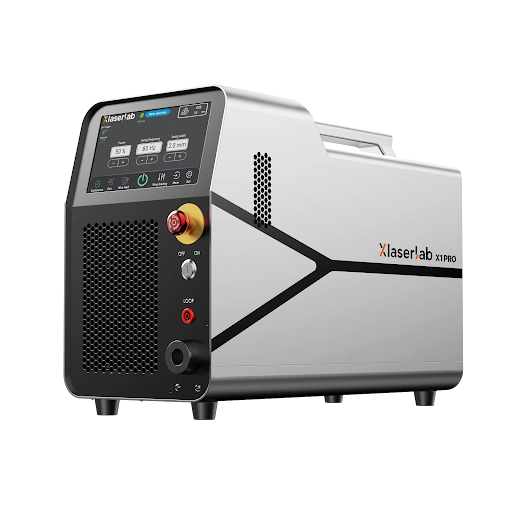
For this article, the recommended Xlaserlab direction is its laser engraving machine collection, because the topic is detailed personalization on leather, not welding, cutting, rust removal, or laser cleaning. Handwritten notes need controlled surface marking, stable focus, and careful testing rather than brute power.
A small gift studio may need to engrave the same handwritten message on leather bookmarks, wallet inserts, journal covers, and tags while keeping the strokes readable and the leather surface clean. The equipment should support fine detail and repeatability, but the final result still depends on safe leather selection, surface preparation, test engraving, ventilation, and gentle cleanup. No machine can guarantee perfect results on every hide, because leather thickness, dye, oil content, and finish can change the engraving outcome. For sellers, the best setup is one that helps them test carefully, repeat successful designs, and keep the original handwriting recognizable.
Final Tips Before Engraving a Handwritten Note onto Leather
Before engraving the final keepsake, check the full process carefully:
- Use a high-contrast scan or clear photo of the handwriting.
- Clean the image while keeping natural stroke details.
- Choose laser-safe leather and test a scrap piece first.
- Resize the note based on the keepsake shape.
- Avoid placing long notes on tiny items.
- Check spelling, date, orientation, and placement.
- Use ventilation and clean smoke residue gently.
- Save the final file for repeat orders or family sets.
For sentimental projects, testing is especially important. If the handwriting comes from an old letter, memorial note, wedding card, or child’s message, it may not be replaceable. Test on similar leather before touching the final piece.
Conclusion: Personalization Works Best When the Handwriting Still Feels Human
Laser engraving handwritten notes onto leather keepsakes is more than a craft technique. It is a way to preserve memory, voice, and personality in a durable object.
The best results come from choosing the right leather, preparing a clean file, keeping the handwriting readable, testing settings, and using equipment that can handle fine detail. A perfect digital font may look neat, but real handwriting carries the small imperfections that make the gift meaningful.
 Mariah