

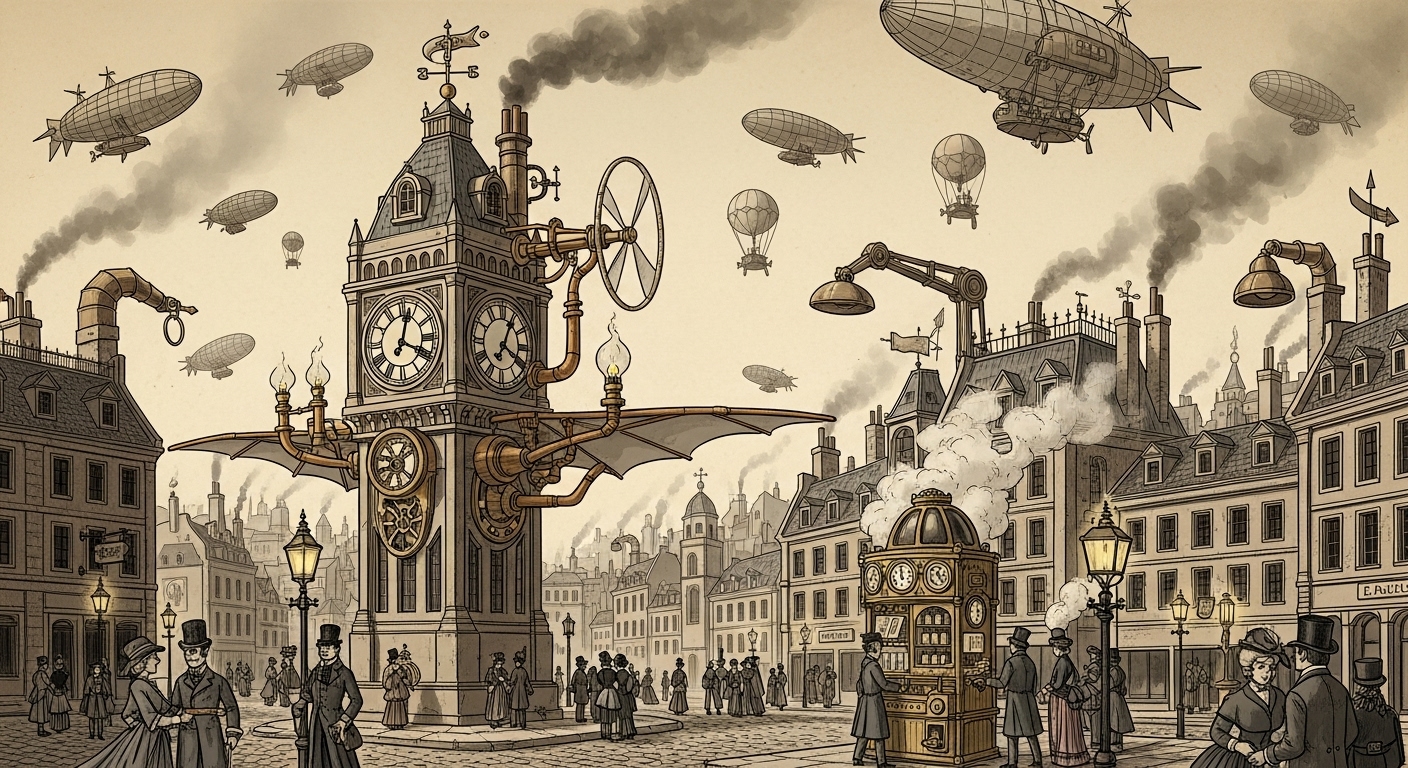
Imagine a world where steam-powered machines whir and clank, top hats are the norm, and intricate brass gadgets adorn every corner. Welcome to the captivating realm of Steampunk—a genre that seamlessly blends history with imagination. But what lies at the heart of this fascinating movement? Its roots dig deep into the Victorian era, an age marked by innovation, elegance, and social transformation.
Steampunk is more than just a style; it’s a cultural phenomenon that invites us to reimagine our past while crafting unique futures. From literature to fashion, its influence permeates various aspects of life today. Join me on this journey through time as we explore how Steampunk emerged from the shadows of history and continues to inspire creativity across generations.
Victorian Era: What was it like?
The Victorian Era, spanning from 1837 to 1901, was a time of remarkable contrasts. It was marked by Queen Victoria’s reign and saw the emergence of modern Britain.
Life in this period was characterized by strict social hierarchies. The wealthy lived in opulence, enjoying grand mansions filled with luxurious furnishings. In stark contrast, the working class faced harsh realities in overcrowded cities.
Technological advances transformed daily life. Railways connected regions faster than ever before. Factories sprung up, providing jobs but often at great personal cost.
Cultural movements flourished during this time too. Literature thrived with authors like Charles Dickens capturing societal issues while art movements explored new themes.
This era laid the groundwork for many aspects of today’s society and continues to influence our cultural landscape profoundly. Its complexities make it an endlessly fascinating subject.
The Influence of the Industrial Revolution
The Industrial Revolution sparked an unprecedented transformation in society. It marked a shift from agrarian lifestyles to urban living, where machines began to dominate daily life.
This era introduced groundbreaking inventions like the steam engine and mechanized looms. These innovations not only changed how goods were produced but also reshaped people’s understanding of progress and technology.
As factories emerged, so did new social dynamics. Workers sought meaning in their toil amidst the clatter of machinery. This juxtaposition of man versus machine laid fertile ground for steampunk’s imaginative narrative.
Steampunk artists and creators draw inspiration from this period, infusing it with fantastical elements. They envision worlds where steam power reigns supreme, blending historical reality with whimsical creativity.
In essence, the Industrial Revolution serves as both a backdrop and catalyst for steampunk culture, bridging past innovations with modern interpretations.
Key Elements of Steampunk Style
Steampunk style is an exhilarating fusion of history and imagination. It captures the essence of a bygone era while infusing it with fantastical elements.
Gears, cogs, and steam-powered machinery are quintessential. These mechanical components symbolize the ingenuity of the Victorian age, often showcased in accessories or costume details.
Victorian-inspired clothing plays a significant role too. Corsets, waistcoats, top hats, and goggles create striking silhouettes that merge fashion with function.
Color palettes favor rich hues like deep browns and brass tones. This brings warmth to designs reminiscent of industrial machinery yet invokes nostalgia for a time gone by.
Notably, craftsmanship shines through detailed embellishments. Handcrafted items reflect individuality within the community’s shared aesthetic vision.
Steampunk embraces creativity without limits—where historical reverence meets boundless invention in every aspect of its style.
Fashion and Aesthetics in Steampunk Culture
Steampunk fashion is a captivating blend of historical and fantastical elements. It thrives on the aesthetics from the Victorian era, incorporating corsets, waistcoats, and top hats. Accessories play a pivotal role; goggles, pocket watches, and brass gears are staples that enhance any outfit.
Colors often reflect earthy tones—browns, greens, and coppers dominate wardrobes. Fabrics like leather and lace add texture while evoking an air of sophistication.
Layering is essential in steampunk attire; combining various pieces creates unique looks that tell a story. Personalization shines through as enthusiasts mix vintage finds with handmade creations.
Footwear also takes center stage—think knee-high boots or elegant Victorian shoes adorned with embellishments. Each element invites creativity while honoring the past in a whimsical way. Steampunk fashion enables wearers to express individuality within a framework steeped in history and imagination.
How Steampunk has Evolved Over Time
Steampunk has undergone a remarkable transformation since its inception. Initially, it emerged as a literary genre in the late 1980s, drawing inspiration from classic works of science fiction and Victorian literature. Authors like K.
W. Jeter and Tim Powers paved the way for what would become a vibrant subculture.
As time progressed, Steampunk began to seep into various forms of media. Film adaptations such as “The League of Extraordinary Gentlemen” introduced wider audiences to this unique aesthetic. Video games and tabletop RPGs further expanded its reach.
Today, Steampunk embraces technology alongside tradition. It fuses modern innovations with antiquated designs, creating fascinating gadgets that captivate enthusiasts worldwide. DIY culture thrives within this movement; makers are constantly inventing new ways to bring their visions to life.
Social media plays an essential role too. Online communities celebrate creativity through sharing art, fashion ideas, and event planning—all vital components keeping the spirit alive in contemporary society.
Embracing the Steampunk Lifestyle: Events, Communities, and Hobbies
Embracing the Steampunk lifestyle goes beyond just aesthetics; it’s a vibrant community filled with creativity and passion. Events like conventions, fairs, and themed gatherings invite enthusiasts to showcase their unique interpretations of this genre.
Many communities thrive online and offline, connecting fans through social media platforms and forums. These spaces foster discussions about literature, art, and shared interests in history. Here, members inspire one another with DIY projects or craft workshops that highlight their ingenuity.
Hobbies within the Steampunk realm are diverse. From creating intricate costumes to building fantastical gadgets, there’s something for everyone. Some enjoy writing steampunk-inspired stories or engaging in role-playing games set in alternate histories.
Whether participating in grand parades adorned with gears or simply enjoying tea parties dressed in Victorian garb, every activity enhances the sense of belonging within this enchanting subculture.
Conclusion: Why Steampunk Continues to Captivate Our Imagination
Steampunk continues to hold a unique charm that captivates diverse audiences. Its blend of Victorian elegance and fantastical elements allows for endless creativity. The aesthetic is not just about gears and goggles; it represents a way of thinking outside the box.
This imaginative genre encourages individuals to explore alternative histories, where technology merges with art in unexpected ways. Steampunk invites us into worlds where we can rewrite narratives, creating our own stories within its framework.
The community surrounding Steampunk is vibrant and welcoming. Events like conventions, fairs, and meet-ups foster connections among enthusiasts who share a passion for this artistic movement. It’s more than just fashion or decor; it’s a lifestyle rooted in curiosity and innovation.
As time moves on, the allure of Steampunk remains strong. It serves as both an escape from modern reality and an exploration of what could have been—a journey through time that inspires creativity across generations.
With its rich tapestry woven from history, science fiction, fashion, and community spirit, Steampunk is here to stay. Its ability to captivate our imagination ensures it will continue thriving in various forms long into the future.
 admin
admin