

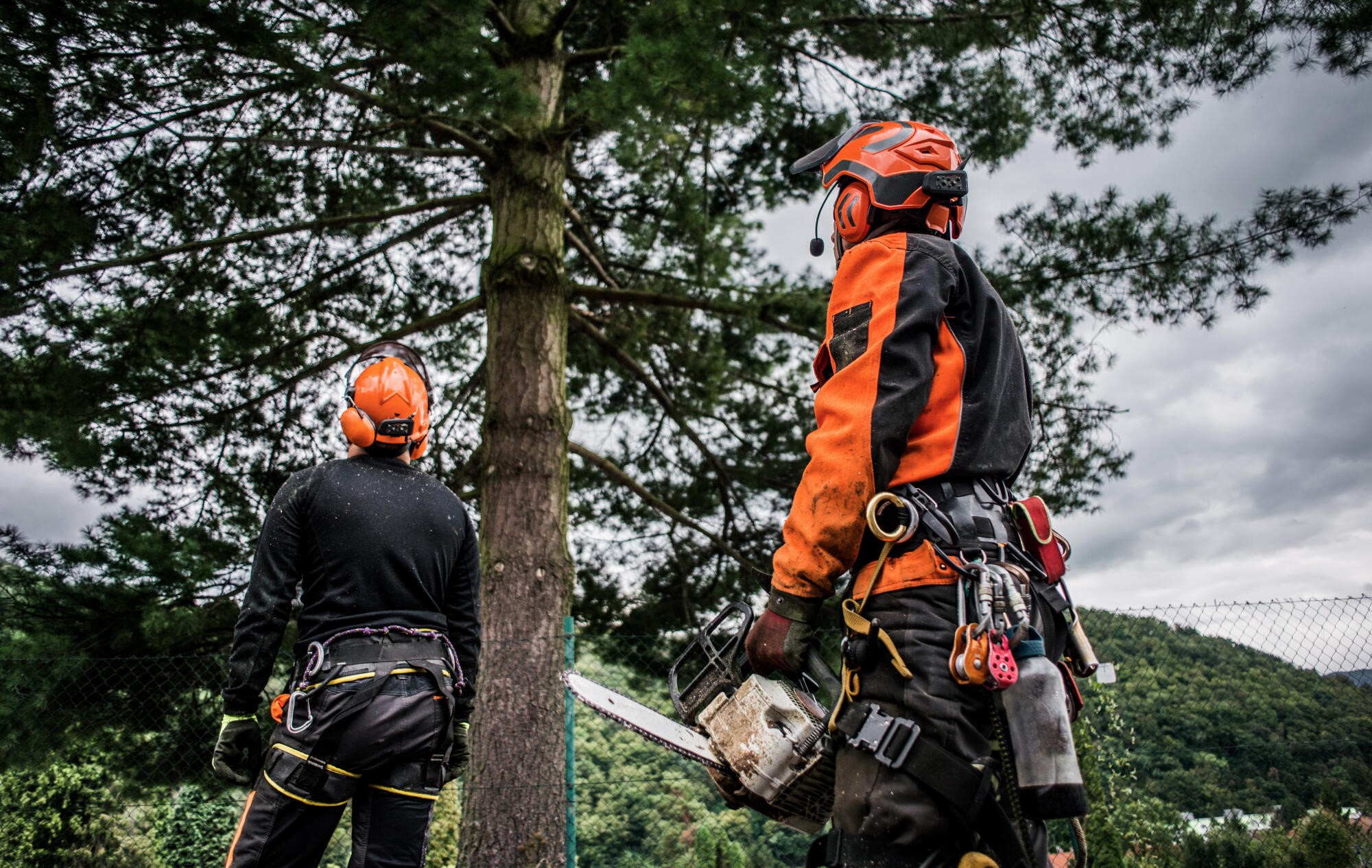
Tree pruning plays a crucial role in maintaining the health and aesthetics of trees. Many people may not realize that just like a haircut for humans, trees also require periodic trimming. Learning the basics of tree pruning can save time and prevent problems.
Pruning supports growth and keeps trees safe around your home. Read on to discover tips, benefits, and simple techniques for better tree care.
What is Tree Pruning?
Tree pruning is the process of selectively removing branches from a tree. This can involve cutting dead, damaged, or overgrown limbs to improve tree health. The goal is to support strong growth and maintain a balanced shape.
Pruning also allows more sunlight and air to reach the inner branches. This can prevent disease and encourage healthy leaves and flowers. Using correct tree trimming techniques ensures your trees thrive for years to come.
Benefits of Pruning Trees
Pruning has several advantages for both trees and your property. It removes weak or dead branches that could fall and cause damage. It also improves the overall look and shape of your trees.
Regular pruning supports better growth and stronger branches. Healthy trees are more resistant to pests and disease. The pruning benefits extend to safety, aesthetics, and the long-term health of your yard.
When is the Best Time for Pruning?
The timing of pruning depends on the type of tree and its growth cycle. Many trees are best pruned during late winter or early spring before new growth starts. This reduces stress on the tree and allows quick recovery.
Some flowering trees should be pruned after they bloom to avoid cutting off buds. Seasonal pruning ensures maximum benefits while minimizing damage. Understanding when to prune helps maintain healthy trees year-round.
Essential Pruning Tools
Using the right tools is important for effective and safe pruning. Common pruning tools include hand pruners, loppers, pruning saws, and pole pruners. Each tool serves a specific purpose depending on branch size and location.
Sharp and clean tools prevent injury to both you and the tree. Proper use of pruning tools ensures smooth cuts that heal quickly. Investing in quality tools makes tree maintenance easier and more efficient.
Common Pruning Rules to Follow
Following basic pruning rules helps protect tree health and shape. Always remove dead or damaged branches first to prevent disease spread. Avoid cutting too many branches at once, as this can stress the tree.
Cut branches at the right angle and close to the branch collar. This encourages faster healing and reduces the risk of decay. Learning pruning rules helps you make better decisions and maintain strong, healthy trees.
Hiring Professionals for Pruning
Some trees require expert care beyond basic pruning. Hiring professional arborists ensures complex pruning is done safely. Experts can identify issues that may not be obvious to homeowners.
Professionals also have specialized tools and knowledge for large or high-risk trees. Their guidance guarantees trees remain healthy and beautiful. For tricky jobs, relying on trained arborists is the safest choice.
Maintain Beautiful Trees with Regular Tree Pruning
Understanding tree pruning offers numerous benefits, such as improving health, safety, and aesthetics. By knowing when and how to prune, you can foster a healthier tree environment. Whether you decide to prune yourself or hire professionals, regular tree maintenance is vital to nurturing beautiful, thriving trees.
Consider integrating proper pruning practices into your tree care routine to enjoy the many advantages. Act now to ensure your trees flourish and enhance your property for many years to come!
Did you find this article helpful? Visit more of our blogs.
 Mariah