

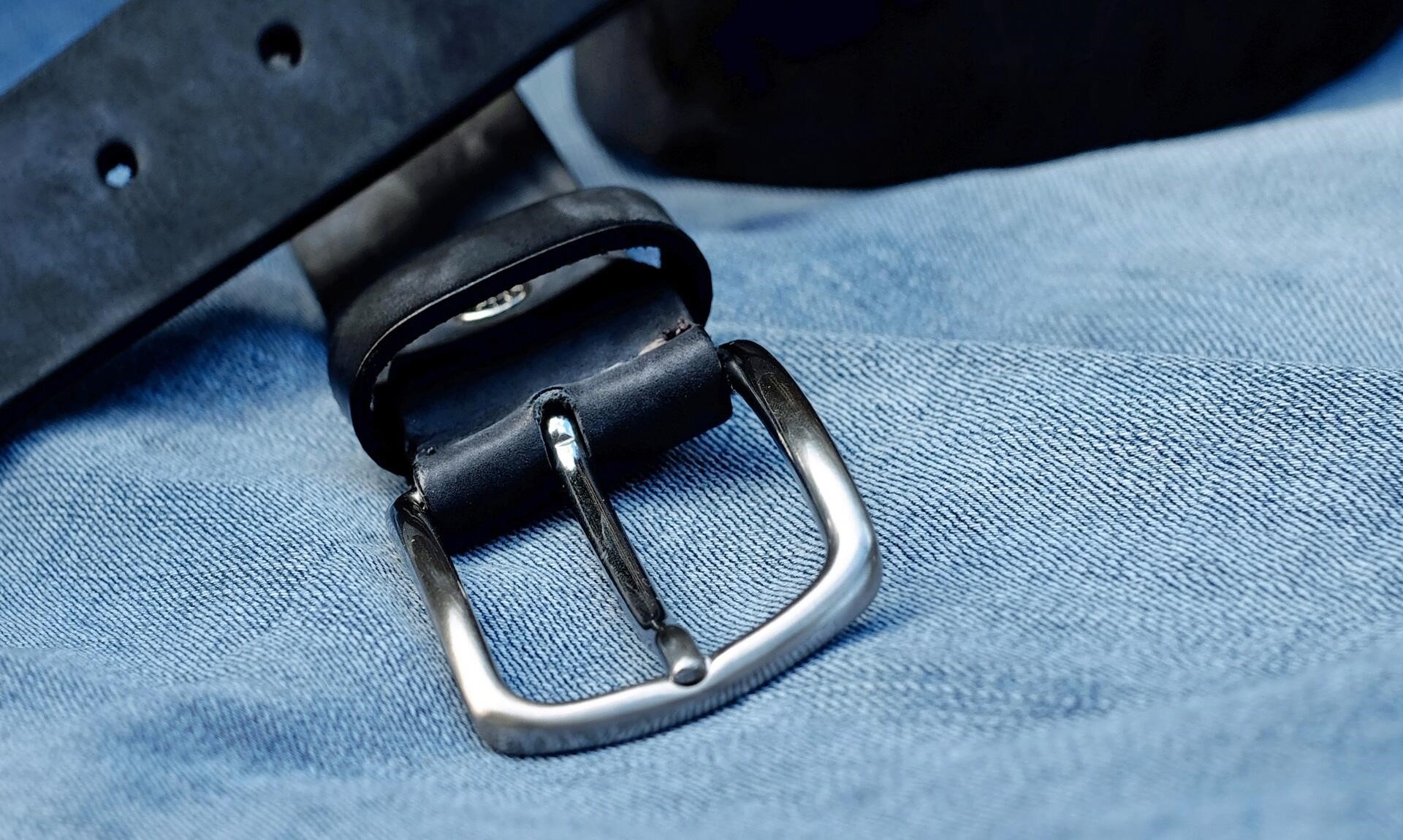
A belt may seem like a small thing, but it carries a long and interesting history. It has held up clothes, shown status, and shaped style for centuries. From rough leather straps to sleek modern designs, belts have changed along with the people who wear them.
They move quietly through fashion trends, always useful and often expressive. This journey from classic to modern design is full of craft, culture, and creativity. If you are curious how a simple accessory became a style statement, read more and follow the path of the belt through time.
Early Belts and Pure Function
The first belts were made for one main reason. They helped hold clothing in place. Early designs were simple strips of leather, rope, or fabric. There was little focus on beauty. Strength and durability mattered most.
These belts were worn by workers, soldiers, and travelers. They also held tools or weapons. In many cultures, belts became part of daily survival. Over time, small changes appeared, like metal buckles or stitched edges, but the purpose stayed the same.
Belts as Symbols of Status
As societies grew, belts began to mean more than function. They became signs of rank and wealth. Decorative buckles, fine leather, and detailed patterns showed power and success. Nobles wore belts with gold accents.
Craftsmen used better tools to shape and finish leather. This shift turned belts into items of pride. Wearing a fine belt was a way to show who you were and where you stood in the world.
The Rise of Classic Style
In the modern age, belts became part of everyday fashion. Classic designs focused on clean lines and neutral colors. Leather belts with simple buckles became standard for work and formal wear. Quality mattered more than decoration.
During this time, many people valued well made accessories, including American-made belts, for their reliability and timeless look. These belts were built to last and matched a wide range of outfits.
Contemporary Designs and Personal Expression
Today, belt design is more creative than ever. Designers experiment with materials, textures, and shapes. Belts can be bold or minimal, wide or slim. Some are meant to stand out, while others blend quietly into an outfit.
The statement simplifies the complex relationship between fashion and sustainability. Belts are no longer just accessories. They are personal statements that reflect lifestyle and values.
Technology and Craft Working Together
Modern tools have changed how belts are made. Machines allow for precise cuts and consistent quality. At the same time, handcrafting remains important.
Many makers combine old skills with new methods. This balance keeps tradition alive while allowing fresh ideas. The result is a belt that respects the past and fits the present.
Where the Belt Is Headed Next
The belt continues to evolve. New materials and smart designs are already appearing. Yet the heart of the belt remains the same. It connects function with style.
From ancient straps to modern fashion pieces, the belt has proven its lasting place. As trends change, this simple accessory will keep adapting, quietly holding history and style together.
For more on this content, visit the rest of our blog!