

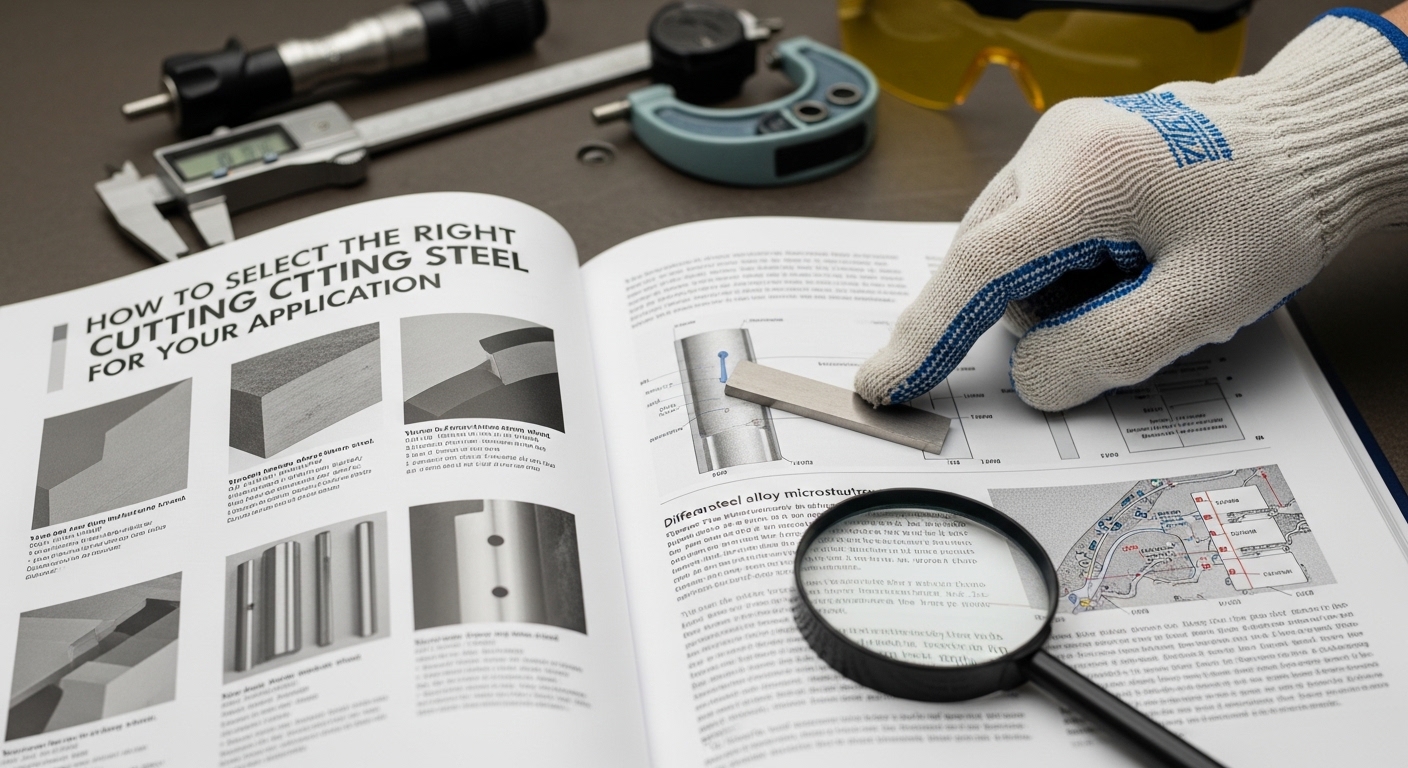
Choosing the right cutting steel is a crucial decision in any die-cutting, stamping, or rotary tooling application. The material you select influences tool life, cut quality, production efficiency, and overall costs. With numerous steel grades and configurations available, understanding how they perform under different conditions ensures you get optimal results for your specific application.
Understand the Demands of Your Application
The first step in selecting cutting steel is assessing how the tool will be used. Key factors include:
- Material being cut: substrates like paper, film, foil, or laminates each impose different wear patterns on tooling.
- Volume and run length: long production runs wear tools more quickly than short runs.
- Cutting conditions: precision requirements, speed, pressure, and machine type all influence steel performance.
Know Common Cutting Steel Grades
Different steel grades are engineered for specific performance characteristics. Some commonly used cutting steels include:
- High-Carbon Tool Steels: These steels offer good hardness and edge retention, making them suitable for general-purpose die cutting in applications with moderate wear. They are often a cost-effective choice for paper, cardboard, and other relatively forgiving materials.
- High-Speed Steel (HSS): HSS is a versatile, abrasion-resistant steel that maintains hardness even at high operating temperatures. It’s well suited for medium-to-high volume runs and materials that generate more heat or friction, such as thicker films and laminates.
- Alloy Tool Steels: These steels combine carbon with additional elements like chromium, molybdenum, or vanadium to increase toughness and wear resistance. Alloy steels are ideal for demanding applications with abrasive or high-stress substrates.
- Powdered Metallurgy Steels: These steels offer a uniform microstructure and exceptional wear resistance, making them excellent for high-volume, high-precision applications. While they come at a higher cost, their extended tool life and consistent performance often justify the investment.
Choosing the right grade means balancing initial cost vs. long-term performance, cheaper steels may work for short runs but wear out faster, whereas premium steels can reduce downtime and tooling changeovers.
Consider Edge Geometry and Heat Treatment
Steel selection is about how it’s processed matters too. Edge geometry affects how the tool interacts with the substrate. Sharper, more precise edges can produce cleaner cuts, but may be more delicate, whereas slightly blunter profiles resist chipping and wear. Heat treatment further enhances performance by increasing hardness, toughness, and resistance to deformation.
Match Steel to Cutting Conditions
Different cutting conditions demand specific steel characteristics:
- High Wear Environments: Choose steels with superior abrasion resistance, like high-speed or powdered metallurgy options.
- High Precision Needs: Steels that maintain sharp edge geometry and tolerances over long runs help ensure consistent quality.
- High Heat or Friction: Steels with excellent thermal stability prevent softening and edge degradation.
Factor in Maintenance and Tool Life
Tool life is an important part of the total cost of ownership. While premium steels may cost more upfront, they often last significantly longer, reducing changeover time and labor costs. Regular maintenance also extends tool life, regardless of the steel chosen.
Work with Experienced Fabricators and Tooling Experts
Selecting cutting steel is not a one-size-fits-all decision. Consulting with experienced tooling professionals and fabricators can help match material properties with your specific substrates and production goals. Technical expertise ensures that your tooling choice enhances performance, minimizes waste, and supports your manufacturing workflow.
Conclusion
The right cutting steel delivers cleaner cuts, longer tool life, and smoother production, saving time and money over the long run. By understanding your application’s demands and matching them to appropriate steel grades, heat treatments, and geometries, you set the foundation for efficient, high-quality converting and die-cutting operations. Thoughtful selection today means fewer disruptions and better performance tomorrow.