

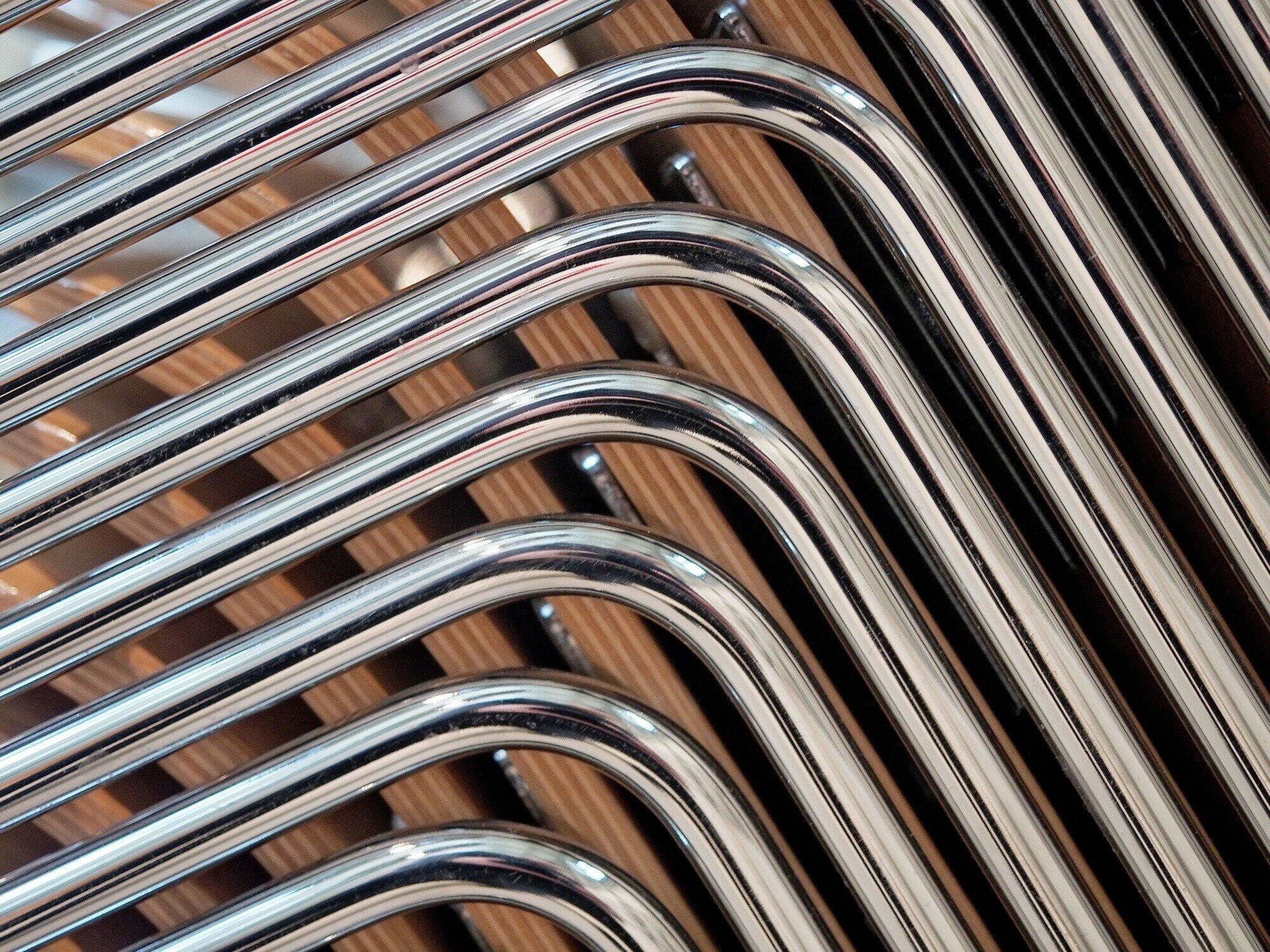
Metal restoration is the practice of repairing and improving metal objects that have been damaged by time, use, or the environment. Over the years, metal can rust, corrode, lose strength, or become dull and unattractive. Without proper care, many metal items eventually become unusable or unsafe.
Restoration helps slow this damage and gives metal objects a second life. From old iron gates and tools to decorative brass pieces and steel structures, metal restoration plays an important role in preserving both function and appearance.
The process is not always about making metal look brand new. Instead, it focuses on strengthening the material, improving its condition, and protecting it from further damage. Read on.
Why Metal Restoration Is Important
Metal restoration matters for many reasons. First, it helps preserve history. Many historical buildings, tools, machines, and artworks are made of metal.
Without proper care, these objects could be lost forever. Restoration allows future generations to learn from and appreciate the craftsmanship of the past. Second, restoration improves function and safety.
Rusted or weakened metal parts can fail, causing accidents or damage. By restoring these parts, they can often be reused safely rather than replaced. This is especially important in machinery, vehicles, and structural components.
Third, restoration improves appearance. Clean, polished, and well-maintained metal surfaces are more attractive and professional-looking. This is important in architecture, interior design, and decorative metalwork.
Finally, metal restoration supports sustainability. Repairing and restoring metal reduces waste, saves raw materials, and lowers energy consumption compared to manufacturing new metal products. In this way, restoration is both practical and environmentally responsible.
Understanding the Restoration Process
Every metal restoration project begins with careful planning. The first step is inspection and assessment. The restorer examines the object closely to understand what kind of metal it is, how badly it is damaged, and what caused the damage.
This stage may involve visual inspection, magnet testing, or chemical testing to identify the metal correctly. Documentation is also important at this stage. Photographs and written notes record the object’s condition before work begins.
This helps guide the restoration process and provides a reference if questions arise later. It also ensures that important details are not accidentally removed or overlooked.
Once the assessment is complete, the restorer chooses the most appropriate techniques. The chosen methods must match the metal type, the level of corrosion, and the desired final result.
In many cases, multiple techniques are used together to achieve the best outcome. Also, having the right equipment and tools, such as pdr tools, can greatly benefit the result of your project.
Common Techniques Used in Metal Restoration
One of the most common restoration methods is mechanical cleaning. This involves physically removing rust, dirt, and old coatings from the metal surface. Tools such as wire brushes, scrapers, sandpaper, and rotary tools are often used for this purpose.
For larger or heavily rusted objects, abrasive blasting methods like sandblasting or soda blasting may be used. Mechanical cleaning is effective and fast, especially for thick layers of rust.
However, it must be done carefully. Too much force can remove fine details, scratch the surface, or weaken thin metal sections. Skilled restorers know how to balance effectiveness with control.
Chemical cleaning is another widely used technique. In this method, chemicals are applied to dissolve rust or convert it into a more stable compound.
Acids such as phosphoric or citric acid are commonly used on iron and steel. Chelating agents are often chosen for delicate objects because they work more slowly and gently.
Chemical treatments are especially useful for complex shapes or areas that tools cannot reach. However, they require proper safety precautions, including gloves, ventilation, and eye protection. If chemicals are left on too long, they can damage the base metal, so timing and experience are essential.
Electrolytic reduction is a more advanced method, often used for heavily rusted iron or steel objects. In this process, the metal item is placed in a liquid solution and connected to a low-voltage electrical current. The rust is gradually drawn away from the object and transferred to another piece of metal called a sacrificial anode.
This method is valued because it preserves surface details that might be lost through scraping or grinding. It is particularly useful for historical items, tools, and artifacts. However, it requires careful setup, constant monitoring, and an understanding of electrical safety.
Heat-based techniques are sometimes used when metal parts are stuck, bent, or distorted. Applying controlled heat can loosen rusted bolts or soften metal so it can be reshaped. Annealing, which involves heating and slowly cooling metal, makes it easier to work with without cracking.
While heat can be very effective, it also carries risks. Too much heat can warp metal, weaken its structure, or damage nearby components. For this reason, heat techniques are usually performed by experienced metalworkers.
Polishing, Finishing, and Surface Treatment
After corrosion is removed, the metal surface often looks dull or uneven. Polishing and finishing restore the metal’s appearance and prepare it for protection. Polishing may involve buffing wheels, polishing compounds, or fine abrasives.
The level of polish depends on the desired final look, which may range from a soft matte finish to a bright mirror shine. Polishing is not only about appearance.
A smooth surface is less likely to trap moisture and contaminants, which helps slow future corrosion. However, over-polishing can remove important surface features, so restraint is important, especially for antique items.
Protective coatings are the final and most important step in the restoration process. Without protection, restored metal will quickly begin to corrode again. Clear lacquers, waxes, oils, paints, and powder coatings are commonly used, depending on the object’s environment and use.
Outdoor items often require stronger protection, such as paint or galvanization, while indoor decorative objects may only need wax or lacquer. Choosing the right coating ensures long-term durability and reduces the need for future repairs.
Keeping It Shining and Durable
Restoring metal to its former glory is a detailed and demanding process that requires patience, skill, and respect for materials. It involves much more than cleaning rust. It requires understanding metal behavior, choosing appropriate techniques, and making careful decisions at every stage.
When done correctly, metal restoration preserves history, improves safety, enhances beauty, and supports sustainability. Through thoughtful restoration, metal objects can continue to serve, inspire, and endure for generations to come.