

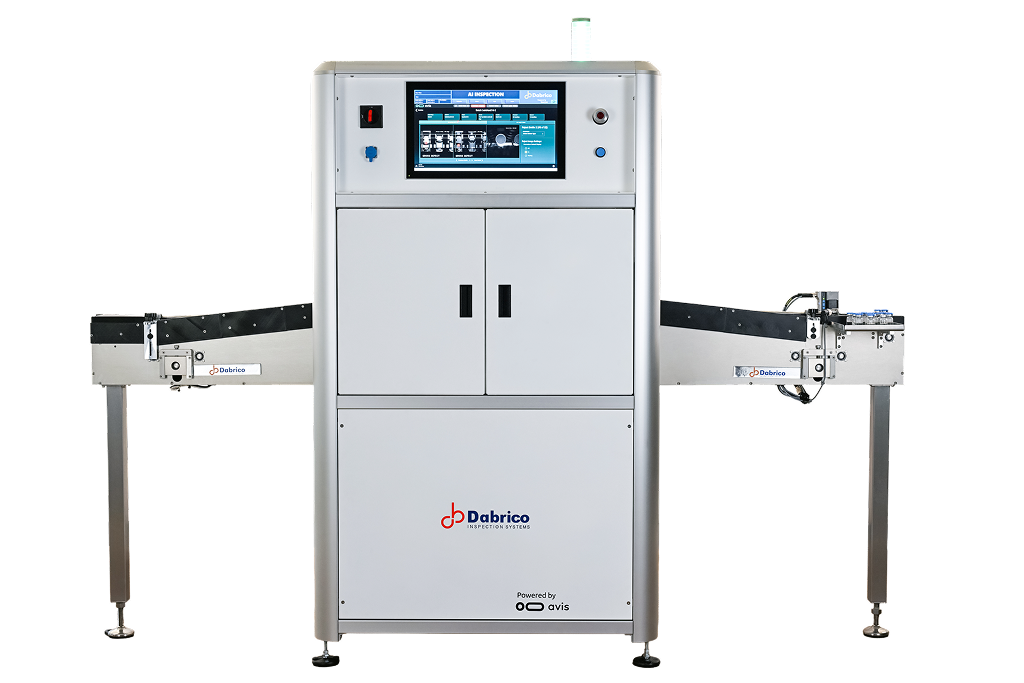
Quality standards continue to rise across many sectors, and product flaws now carry a higher financial and reputational cost. Manual checks often struggle to match modern production speed or complexity. Automated visual inspection has therefore become a practical response for industries that demand accuracy, speed, and consistency. Advanced systems now review surfaces, shapes, and assembly results with precision that supports safer products and smoother operations across several major fields.
Manufacturing and Industrial Production
Automated inspection equipment plays a central role within industrial production environments where precision defines success. In these facilities, visual checks once relied on human judgment alone, which often led to variation across shifts. Modern automated systems now support uniform standards at every stage of production.
Such tools examine components for surface flaws, alignment errors, and assembly accuracy. The result includes fewer rejected batches and better resource use. Production lines also gain the ability to operate at higher speeds without loss of quality.
Key benefits for factories
- Consistent product standards across shifts
- Faster identification of surface or structural flaws
- Lower material waste due to early fault detection
Manufacturers that manage complex assemblies or high output volumes gain particular value from these solutions, as even small errors can lead to high downstream costs.
Automotive Sector Demands
Vehicle production relies on tight tolerances and safety compliance. Even minor visual defects can compromise performance or customer trust. Automated inspection tools now support car makers by verifying welds, paint finish, and component fit with high reliability. These systems examine parts such as brake components, body panels, and interior elements. They support early fault recognition before final assembly. This approach improves safety outcomes and reduces rework.
Areas of strong influence
- Body panel surface checks
- Paint uniformity review
- Part placement verification
Automotive suppliers also benefit, as consistent quality across shipments strengthens long-term partnerships.
Electronics and Semiconductor Production
Electronic devices depend on compact components and precise placement. Manual checks often fail to detect micro-level flaws that affect performance. Automated visual systems now address this challenge with high-resolution cameras and advanced pattern analysis.
Circuit boards, connectors, and chips receive close review for solder joint quality, alignment, and contamination. This approach supports reliable device performance and lowers failure rates after shipment. The electronics sector values these systems due to rapid product cycles and high consumer expectations. Even small improvements in defect reduction can yield major savings.
Food and Beverage Processing
Food producers face strict safety and packaging standards. Visual checks once depended on line operators who managed repetitive tasks for long hours. Automated inspection systems now support hygienic review of packaging, seals, and label accuracy. These tools help confirm that containers remain intact and free from visible contaminants. They also verify correct labeling, which supports regulatory compliance and consumer trust.
Quality focus areas
- Package seal integrity
- Label placement accuracy
- Foreign object presence
Food and beverage brands benefit from consistent output and reduced recall risk.
Pharmaceuticals and Medical Devices
Healthcare-related products demand extreme care. Visual flaws can compromise patient safety or regulatory approval. Automated systems now support inspection of tablets, vials, syringes, and device assemblies.
Automated inspection equipment supports precise review of fill levels, surface condition, and packaging accuracy. This approach reduces human error and supports documentation for audits. Regulatory agencies value traceable and repeatable inspection processes. Automated tools help meet these expectations while maintaining production efficiency.
Automated visual inspection continues to shape quality assurance across diverse industries. From industrial production to healthcare and logistics, these systems support accuracy, safety, and efficiency at scale. As production complexity rises, reliance on AI inspection equipment becomes a practical step toward consistent quality and long-term operational confidence.
 Mariah