

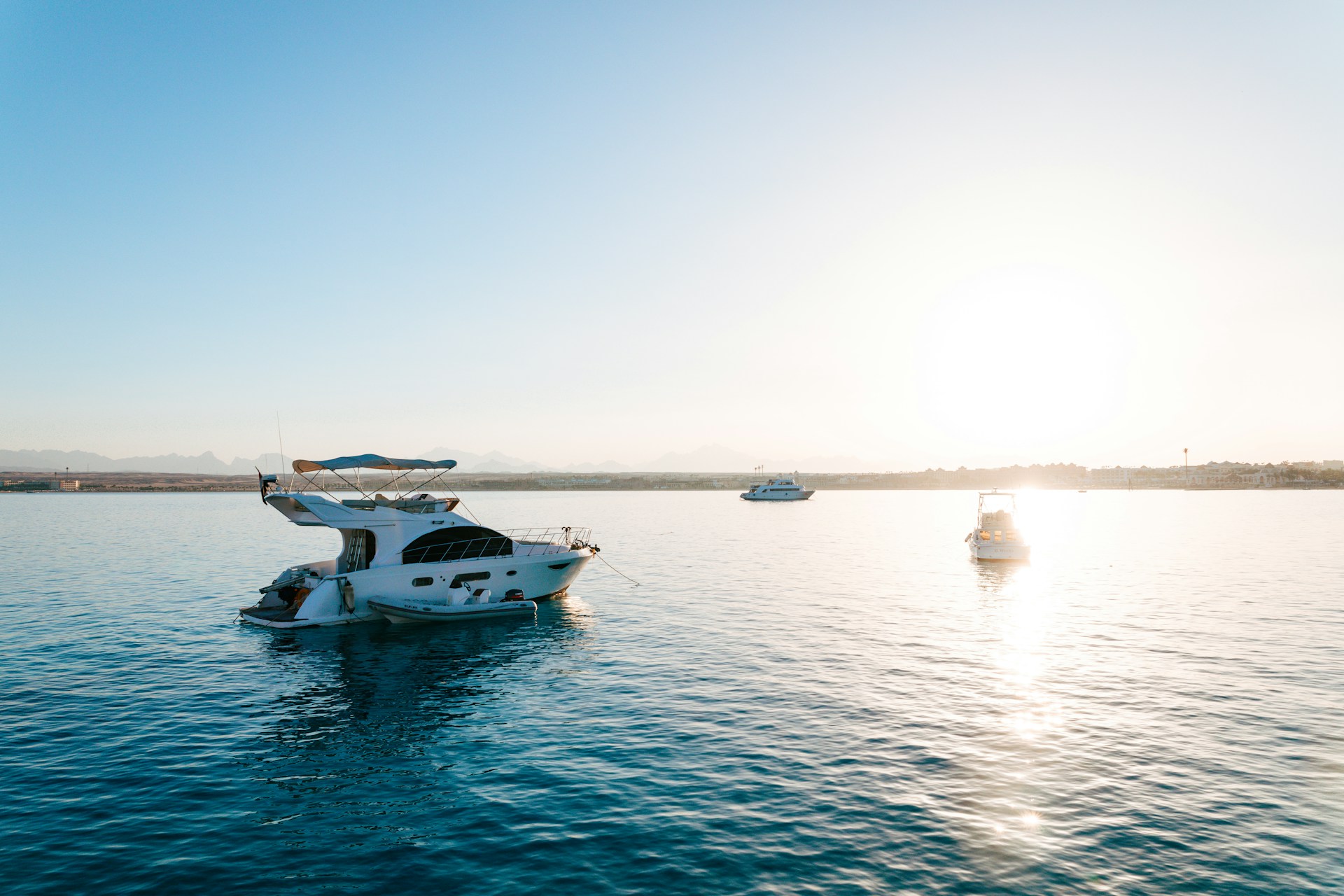
Kos is steadily gaining relevance as a yacht charter base in Greece, and the appeal is easy to understand. While some sailing destinations are defined by big-name glamour or more demanding open-water routes, Kos offers something many travelers now value more: a smoother, more relaxed way into the Greek island sailing experience. Set in the heart of the Dodecanese, the island combines practical access, strong marina infrastructure, and route flexibility that suits travelers looking for a more easygoing holiday on the water.
One of Kos’s biggest advantages is its position. Official local tourism guidance describes the island as being right in the middle of the Dodecanese and emphasizes its strategic location for sailing, numerous anchorages, and easy access. That geography matters because it helps travelers start cruising sooner and shape itineraries more naturally. Instead of treating the first days as a long transit toward the “real” route, crews departing from Kos can move through the region with a sense of balance that feels much better suited to a one-week holiday.
That sense of ease begins before the yacht even leaves the dock. Kos Island Marina says it is located within 25 km of Kos International Airport, with a taxi transfer of around half an hour, and offers 265 berths plus 80 additional berths at Mandraki. For charter guests, that translates into a rare combination: a genuine island departure that is still relatively simple to reach. In a travel market where convenience increasingly shapes booking decisions, that is a meaningful strength.
The charter base itself also has enough scale to feel dependable. On 12 Knots, Kos shows more than 300 boats available, with the fleet weighted toward sailing yachts and catamarans, while skippered and crewed options are also available. That breadth makes the destination commercially strong because it can serve very different travel styles at once. Experienced sailors can keep things classic with a monohull, families and groups can lean toward catamarans for comfort, and guests looking for a more hands-off holiday can still enjoy the region with professional support on board.
What makes Kos especially attractive, though, is the tone of the holiday it supports. Greece’s national tourism guidance describes sailing in the country as a chance to move among beautiful island clusters, anchor in naturally protected bays, and swim in exceptionally clear waters. The Dodecanese, meanwhile, is presented as one of Greece’s sunniest island groups, known for crystal-clear seas, beaches, and a strong mix of history and natural beauty. Kos fits that wider picture very well, but without the same level of overexposure as some of the country’s better-known charter names.
That is one reason the island feels increasingly relevant for easygoing yacht holidays. Travelers are not always looking for intense sailing mileage or highly technical conditions. Many want a trip that gives them movement, scenery, and island variety without turning each day into a demanding passage. Kos works well in that context because it opens onto a region that feels rich in options yet still manageable in pace. The wider Dodecanese includes islands such as Nisyros, Tilos, Kalymnos, and others, which gives charter routes enough variety to stay interesting while preserving the relaxed rhythm many holidaymakers actually want.
Kos also has the advantage of being more than just a pickup point for a boat. Visit Greece presents it as the third largest island in the Dodecanese and highlights its beaches, villages, local food, nightlife, and historic sites. That matters because the best charter bases often add value before embarkation and after disembarkation. A destination that works as both a sailing hub and a place worth spending time ashore tends to feel more complete, especially for travelers building a broader Greece itinerary around the charter.
Another reason Kos is beginning to stand out again is that it matches the current travel mood. More travelers now want holidays that feel easy to organize, flexible in pacing, and immersive without being exhausting. Kos answers that demand especially well. It offers island authenticity, workable marina logistics, and a route area that lends itself to calm progression rather than rushed box-ticking. For couples, families, and mixed-experience groups, that is often a more persuasive proposition than a destination built mainly around challenge or status.
In the end, Kos is emerging as a smart starting point because it quietly solves several of the problems travelers care about most. It is easy enough to reach, large enough to support a serious charter base, and well positioned for a sailing holiday that feels relaxed rather than overcomplicated. As more travelers look beyond the most obvious Greek yachting names, Kos is making a strong case for itself as one of the country’s most practical gateways to an easygoing week on the water.