

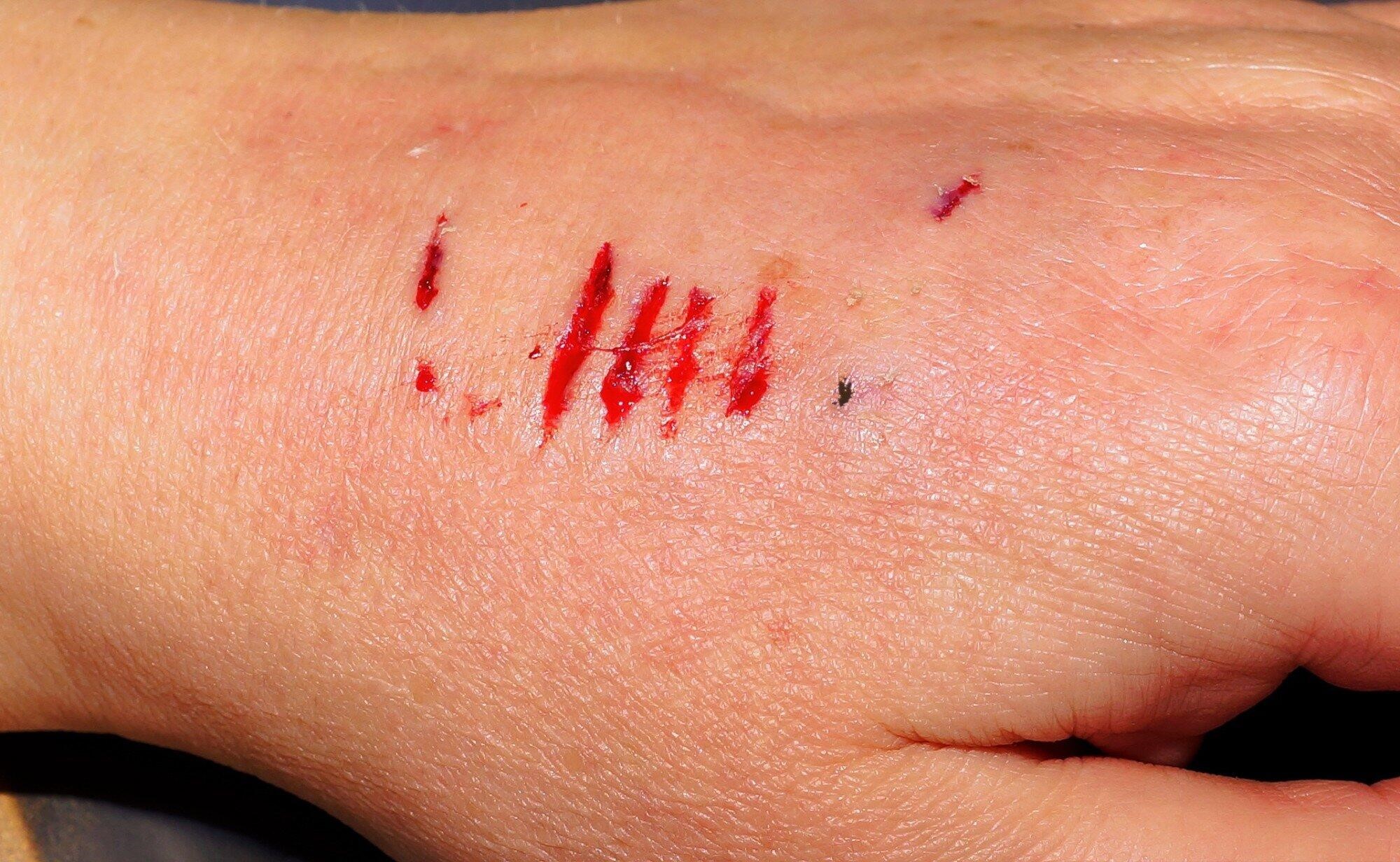
When a dog attack happens, who is legally responsible for the harm caused? Many people assume the answer is simple, but the law often depends on facts that are easy to overlook.
Rules can change based on where the incident occurred, the dog’s history, and the actions of everyone involved. Owners, landlords, and even caregivers may face claims depending on control and knowledge.
Understanding these principles helps protect victims and encourages safer ownership. By reading on, readers will gain clear insight into liability rules, owner duties, and responsibility decisions. Read on!
Understanding Dog Bite Liability Laws
Dog bite liability laws decide who must pay when a person is hurt by an animal. Some states follow strict liability, meaning owners are responsible even if the dog never showed aggression before.
Other states use a negligence or one bite rule that looks at prior behavior and care. Courts review whether the owner knew or should have known the dog could be dangerous. Local ordinances may also affect outcomes by adding leash or confinement requirements.
The Legal Duties of Dog Owners
Dog owners have a long-recognized duty to control their animals and prevent foreseeable harm. This duty includes proper training, secure fencing, and obeying leash laws in public places.
Failure to meet these duties can shift legal responsibility squarely onto the owner. Evidence such as past complaints or loose roaming often strengthens a victim’s claim. Medical records showing symptoms of dog bite trauma may also support the seriousness of the injury.
When Non-Owners May Be Liable
Liability does not always stop with the dog’s owner under certain circumstances. People who have control over the property or the animal may share responsibility.
Landlords can be liable if they knew about a dangerous dog and failed to act. Dog walkers, sitters, or caregivers may also face claims while supervising the animal. Courts focus on who could have prevented the attack at the time.
Defenses That Can Limit Responsibility
Not every dog attack leads to liability if defenses apply. Common defenses include provocation or trespassing.
If a victim acted carelessly, courts may reduce compensation. Children and guests often receive strong protection under the law. Each case turns on facts, making careful review essential.
How Insurance Affects Dog Attack Claims
Homeowners or renters insurance often plays a major role in dog attack cases. These policies may cover medical costs and settlements, depending on breed exclusions.
Some insurers deny coverage for certain dogs considered high risk. When coverage is denied, owners may pay damages directly out of pocket. Understanding policy terms early can prevent costly surprises after an incident.
Steps Victims Should Take After an Attack
After a dog attack, prompt action helps protect health and legal rights. Seeking medical care and reporting the incident creates an important record.
Photos, witness details, and official reports help establish what happened. Following medical advice also shows seriousness and concern for recovery. Legal guidance can clarify options and deadlines under applicable laws.
How Liability Is Determined for a Canine Attack
Dog attack responsibility is based on long-standing legal rules, a careful review of the facts, and the safety of the community. Dog owners need to keep their dogs under control, but sometimes the police may also be to blame.
The outcome is affected by defenses, insurance, and local laws. Being aware of these rules helps victims get fair treatment and encourages responsible behavior that safeguards families, communities, and traditions. We need to talk about these issues because attacks can quickly and permanently change everyone’s life.