

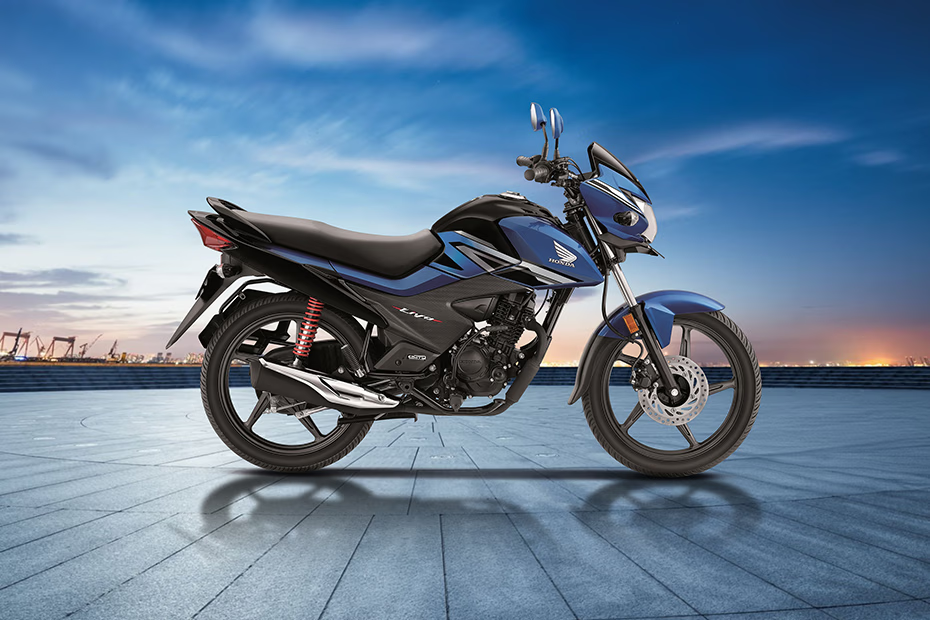
Owning a bike or scooter brings everyday convenience, but it also comes with responsibilities. One of the most important things is keeping your insurance policy active. The renewal of a two-wheeler insurance ensures your vehicle remains legally compliant and financially protected against accidents, theft, and third-party liabilities.
Delays in renewal can result in penalties and the loss of important policy advantages. Many riders treat insurance renewal as a last-minute task, often without understanding its impact.
This blog explains the renewal of a two-wheeler insurance in a structured way, covering the required documents and renewal steps to help you make informed decisions every year.
Why Renewal of a Two-wheeler Insurance Matters
The renewal of a two-wheeler insurance directly affects your legal standing, financial security, and claim eligibility. From a legal perspective, riding without valid insurance is a violation of motor vehicle regulations. Authorities can impose fines, suspend licenses, or seize vehicles during routine checks.
From a financial angle, an active policy protects you from repair costs, medical liabilities, and third-party claims that could otherwise be overwhelming. Another important reason to prioritise renewing a two-wheeler insurance is the continuity of benefits.
Policyholders who renew on time retain their No Claim Bonus, which gradually reduces premiums over the years. A lapsed policy often means starting over, both in terms of pricing and benefits.
Types of Policies You Can Renew
Before proceeding with the renewal of a two-wheeler insurance, it helps to understand the type of policy you hold.
- A third-party insurance policy covers legal liabilities resulting from injury, death, or damage to third-party property. This is the minimum mandatory coverage.
- A comprehensive two-wheeler insurance policy includes third-party coverage along with coverage for your vehicle in case of accidents or theft, accidents, fire, and natural disasters. It can also include add-ons such as zero depreciation or roadside assistance.
During the renewal of a two-wheeler insurance, you can continue with your existing policy type or upgrade based on changing needs.
Documents Required for Renewal of a Two-wheeler Insurance
Having the correct documents ready makes the renewal process faster and smoother. The renewal of a two-wheeler insurance usually requires fewer documents than buying a new policy, but accuracy is essential.
- Existing Policy Details
Your previous policy number, expiry date, and insurer name help retrieve your records quickly. These details also confirm eligibility for benefits like No Claim Bonus during the renewal of a two-wheeler insurance.
- Vehicle Registration Certificate (RC)
The RC confirms ownership and registration details of the two-wheeler. Insurers use this to verify engine number, chassis number, and registration validity.
- Identity Proof
A government-issued ID such as a driver’s license, Aadhaar card, PAN card, or passport may be required to confirm the policyholder’s identity.
- Address Proof
Some insurers ask for address proof to ensure communication details are up to date. This is especially relevant if there has been a recent address change.
- No Claim Bonus Declaration
If you have not raised a claim during the previous policy period, you must declare this during the renewal of your two-wheeler insurance to retain your NCB benefit.
- Payment Details
For online renewals, you will need access to digital payment options such as cards, net banking, or UPI.
If the policy has expired for an extended period, insurers may also request a vehicle inspection before approving the renewal of a two-wheeler insurance policy.
How the Renewal Process Works
The renewal of two-wheeler insurance can be completed in a few simple steps.
- Enter the vehicle registration number to retrieve existing policy details.
- Review the current coverage, policy duration, and insured declared value.
- Select add-on covers if required, based on usage and protection needs.
- Confirm the premium amount after adjustments or benefits like No Claim Bonus.
- Verify personal and vehicle details for accuracy.
- Submit the payment through a secure and approved payment method.
- Receive the renewed policy document once payment is successful.
Key Factors that Affect Renewal Premiums
The premium payable during the renewal of two-wheeler insurance is influenced by several factors.
- The Insured Declared Value (IDV) reflects the current market value of your vehicle. A lower IDV reduces premiums and lowers claim payouts.
- Your claim history plays a major role. Claim-free years earn No Claim Bonus discounts, reducing renewal costs.
- The age of the vehicle also matters. Older vehicles usually attract lower IDV but may lose eligibility for certain add-ons during renewal of two wheeler insurance.
- Selected add-on covers increase premiums but enhance protection. Choosing only relevant add-ons helps maintain a balance between cost and coverage.
Practical Tips for Smooth Renewal
Following a few simple practices can make the renewal of two-wheeler insurance stress-free and cost-effective.
- Set reminders at least a month before expiry to avoid a last-minute rush. Early planning gives you time to review coverage and compare options.
- Always review policy details instead of renewing blindly. Your usage patterns, vehicle age, and riding conditions may change over time.
- Avoid unnecessary add-ons for older vehicles. Evaluate what genuinely adds value during the renewal of two-wheeler insurance.
- Ensure personal and vehicle details are accurate. Incorrect information can lead to claim issues later.
- Consider digital renewal records. Keeping soft copies of your policy ensures easy access during emergencies or checks.
Keep Your Two-wheeler Covered Without Gaps
Renewing two-wheeler insurance is an important responsibility that protects both your legal standing and financial stability on the road. Staying attentive to renewal timelines, maintaining accurate documents, and reviewing coverage details each year helps avoid unnecessary risks and last-minute complications.
A thoughtful renewal approach ensures continuity of benefits, preserves accumulated discounts, and keeps your two-wheeler adequately protected against unexpected events.
Reliable guidance and clear policy comparisons can make this process easier. Many online insurance brokers, such as Jio Insurance Broking Ltd., simplify the renewal journey. By providing structured information, plan visibility, and expert support, these platforms help riders make informed insurance decisions.
 Mariah