

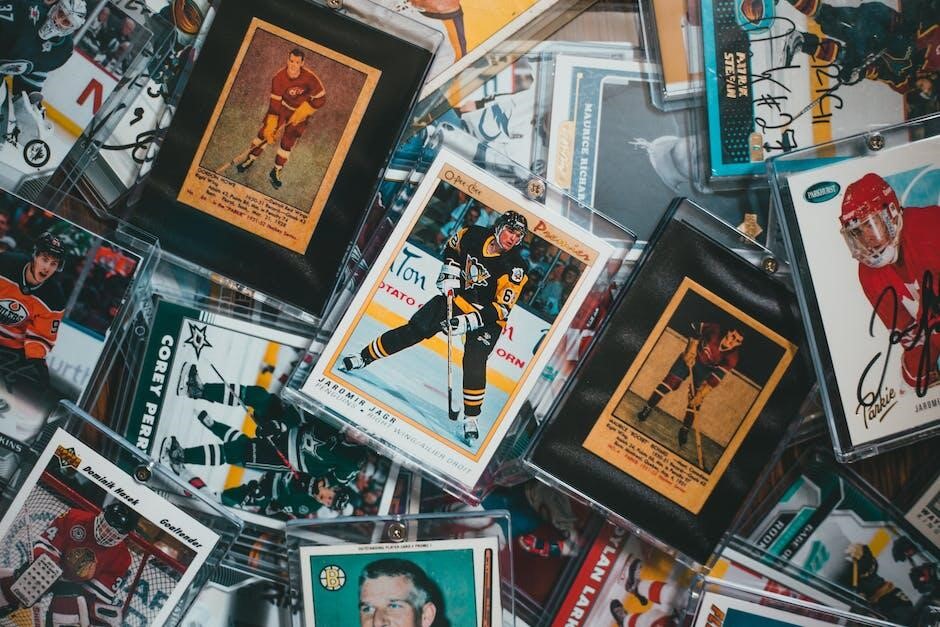
Why do some 70s sports collectibles sell quickly while others stay unsold? The market is still strong, but many sellers miss simple chances to earn more. Collectors value history, star players, and well-kept items.
Understanding how the hobby has worked for decades gives sellers a real advantage. Small details can make a big difference in price. Smart pricing and careful sourcing matter more than ever.
This guide shares clear, proven steps to help increase sales and profits. Keep on reading!
Study the Market Like a Seasoned Dealer
Successful sellers treat 70s collectibles as long-term investments, not quick sales. They study auction results, dealer listings, and completed sales to understand steady price trends.
Looking at past price guides and older sale records can reveal which players and sets always stay popular. Watching how condition affects value helps set fair prices. Careful research builds confidence and reduces costly mistakes. Knowledge of past trends leads to smarter decisions.
Price with Confidence and Historical Awareness
Strong pricing begins with knowing what collectors have traditionally paid for similar items. Instead of chasing sudden price jumps, steady pricing based on history keeps sales consistent.
Condition should always guide the final price. A clean, well-centered card from the 70s often deserves a higher value. Professionally graded items usually attract stronger offers. Fair and firm pricing shows experience and builds buyer trust.
Source Inventory from Trusted Channels
Finding quality 70s sports collectibles takes patience and strong connections. Card shows, estate sales, and longtime collectors often offer better deals than random online listings.
Building relationships within the hobby opens doors to private opportunities. Many collectors prefer selling to someone who respects the item’s history. Local shows still hide valuable finds at fair prices. Reliable sources lower risk and improve profit margins.
Present Items with Clear and Honest Detail
Clear photos and honest descriptions make buyers feel comfortable. Sharp images of corners, edges, and surfaces help reduce questions and returns.
Descriptions should include the year, player, team, and any flaws. Simple and direct wording builds credibility. Adding short notes about the set’s history or the player’s achievements adds value. A professional presentation can raise interest without extra cost.
Use Targeted Promotion for Serious Collectors
Not all buyers like rookie cards from the 1970s or rare inserts. Collectibles fans of that time can be reached through targeted advertising. Hobby forums, collector groups, and specialty marketplaces are places where sellers can meet serious buyers.
Combining in-person and online sales methods makes your business more visible. This is where vintage football card selling strategies work best when aimed at dedicated fans. A targeted ad saves time and gets better results.
Time the Sale Around Key Moments
Sale prices depend a lot on when they happen. Stars from the 1970s are often brought back to life by anniversaries, Hall of Fame inductions, and sports events.
Items on the market during busy sports seasons can also get people’s attention. When there is a lot of interest in an auction, there is often competitive bidding. Planning makes sales go up.
Proven Strategies To Boost Profits From 70s Sports Collectibles
To sell more 1970s sports collectibles, you need to do regular research, set fair prices, get your items from reliable sources, and be honest about how you show them. People who respect the traditions of the hobby often get repeat customers.
Targeted marketing and good timing make results even better. Instead of making money quickly, each step supports steady, long-term growth. When these tried-and-true methods are used carefully, the results are stronger and more consistent.
Did you like this guide? Please browse our website for more!
 Mariah