

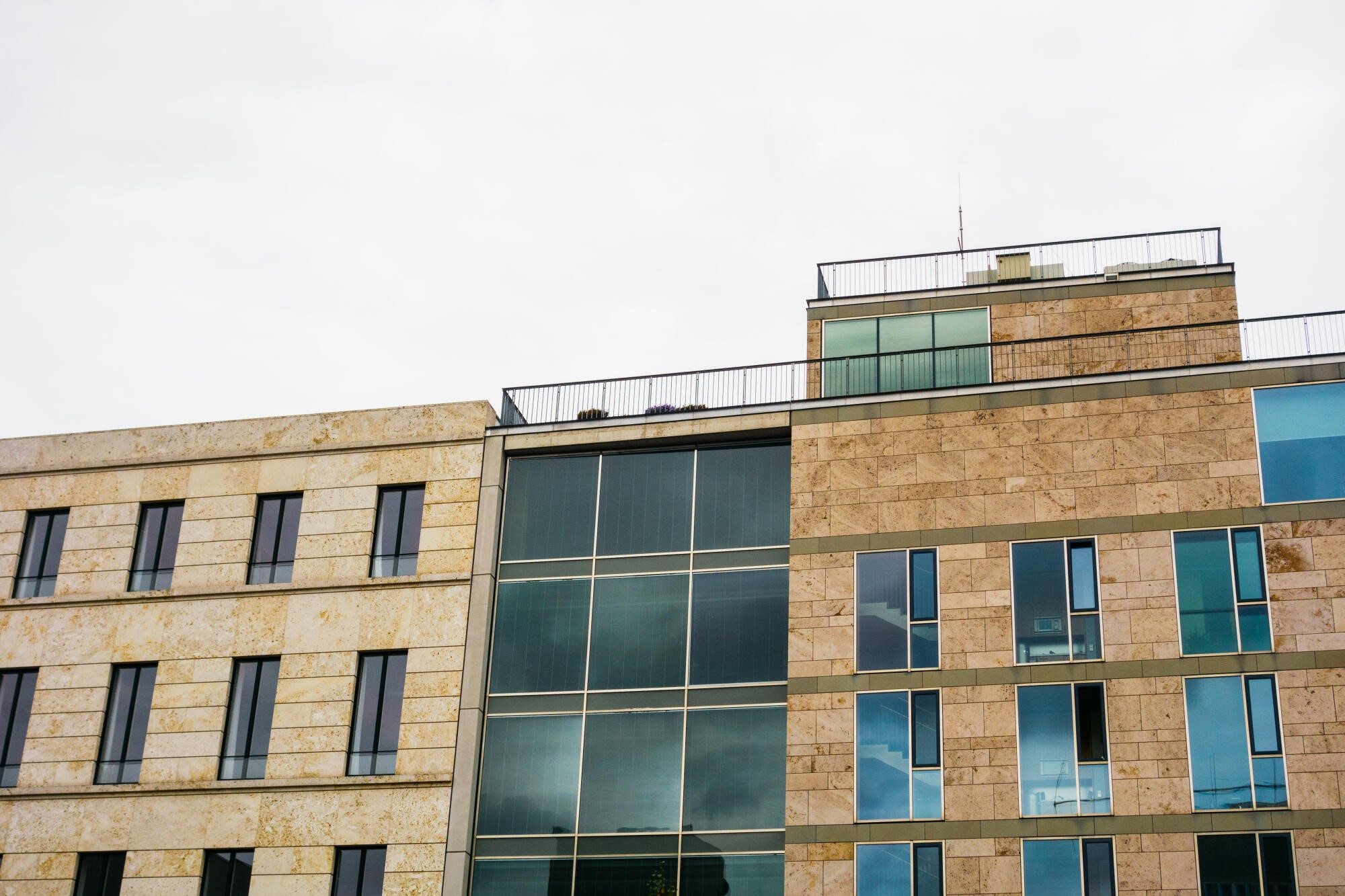
Aging buildings often look solid from the outside. They may have historical charm or sturdy construction. But inside, hidden dangers can threaten your health, safety, and property value.
Many of these risks are invisible until serious problems appear. From mold to asbestos, water damage to failing electrical systems, old buildings can hide threats that grow worse over time.
Understanding these hidden dangers is the first step to protecting yourself and others. Early detection and preventive measures are key.
This article explores the silent threats that can lurk inside older structures and explains how to address them before they cause harm. Keep on reading to learn more.
Hidden Threats in Aging Buildings
Older buildings face a variety of risks that newer structures may avoid. Some of the most common threats include:
Mold
Mold grows in damp, poorly ventilated areas. Leaks in plumbing, roofs, or windows create the perfect environment for mold to thrive. Mold can cause allergic reactions, respiratory problems, and even long-term health issues if left unchecked.
Visible mold is just the tip of the iceberg. It often hides behind walls, under floors, or in ceilings. Regular inspections and proper ventilation are essential to detect and prevent mold growth early.
Asbestos
Asbestos was widely used in building materials until the late 20th century. It is found in insulation, floor tiles, ceiling panels, and siding. While safe when intact, asbestos fibers become dangerous when disturbed or damaged.
Inhaling these fibers can cause lung disease and cancer over time. Testing for asbestos in older buildings is critical.
Homeowners, landlords, and building managers should consider working with experts like Orlando asbestos safety testing services to identify and safely remove this hazard. Early detection is the best way to protect health and maintain property value.
Lead Paint
Many older homes and buildings used lead-based paint. When paint deteriorates or is disturbed during renovations, lead dust can spread through the air. Lead exposure is particularly dangerous for children, causing developmental delays and learning difficulties.
Adults can also suffer from lead poisoning if exposed for long periods. Professional testing and proper remediation are necessary when lead paint is present. Sealing or safely removing lead can prevent health hazards while preserving the building’s integrity.
Electrical and Structural Issues
Aging electrical systems may not meet modern safety standards. Faulty wiring, outdated panels, or overloaded circuits can increase the risk of fires. Structural elements, like beams and supports, may weaken over time, especially if exposed to moisture or pests.
Regular inspections by licensed electricians and structural engineers help identify potential failures before they become emergencies. Upgrading electrical systems and reinforcing structural components ensures the building remains safe and functional.
Plumbing and Water Damage
Old pipes are prone to leaks, corrosion, and blockages. Water damage can weaken walls, floors, and ceilings. It also creates conditions for mold and bacteria to grow, further impacting health and property.
Replacing old plumbing and repairing water damage promptly can prevent long-term problems. Routine maintenance checks are key to catching small issues before they become costly repairs.
HVAC and Air Quality Concerns
Heating, ventilation, and air conditioning (HVAC) systems in older buildings may not filter air effectively. Dust, pollen, and other pollutants can accumulate over time, reducing indoor air quality. Poor air circulation can exacerbate respiratory issues and contribute to the spread of mold spores.
Regular cleaning and maintenance of HVAC systems improve air quality and reduce health risks. Upgrading to modern systems may also enhance energy efficiency and comfort.
The Importance of Early Detection
The silent threats inside aging buildings often develop slowly. Small problems can grow into serious hazards if ignored. Early detection protects not only health but also the building’s value.
Health Protection
Finding mold, asbestos, or lead early keeps people safe. Early detection lowers the risk of illness and long-term health problems. It is easier to fix hazards before they get worse.
Safety
Checking for structural or electrical problems early prevents accidents. Fixing small issues can stop fires or injuries. Early action keeps the building safe for everyone.
Financial Savings
Fixing minor problems early costs less than major repairs. Ignoring issues can lead to expensive damage. Early maintenance also reduces legal risks and protects property value.
Building owners should prioritize regular inspections and testing. Partnering with qualified professionals ensures accurate assessment and safe remediation.
Practical Steps to Protect Your Building
Maintaining an aging building takes a proactive approach to keep it safe and functional. Regular inspections by professionals can catch mold, asbestos, lead, and structural problems early. Upgrading old plumbing, wiring, and HVAC systems before they fail improves safety, efficiency, and comfort.
Proper ventilation helps prevent moisture buildup, so using dehumidifiers and fixing leaks quickly is important. Keeping detailed records of inspections, repairs, and updates is helpful for insurance, legal compliance, and resale value. Finally, always work with licensed experts, especially for hazardous materials.
Recognizing Warning Signs
Building owners and people in old buildings should watch for warning signs. Musty smells, water stains, or peeling paint can mean mold or water damage. Cracks in walls, sagging ceilings, or uneven floors may show structural problems.
Flickering lights, breaker trips, or strange electrical smells can mean wiring issues. Dusty or dirty vents may show HVAC problems or hidden dirt. Fixing these problems early stops small issues from becoming big dangers.
Benefits of Proactive Maintenance
Taking action before problems get worse has many benefits. Clean and safe environments help reduce the risk of illness. Stable structures and updated systems prevent accidents.
Well-maintained buildings keep their value or even increase it. Knowing your property is safe gives peace of mind and lets you focus on other priorities. Being proactive with maintenance is cheaper and easier than dealing with emergency repairs or legal problems caused by neglect.
Dealing with Old Buildings
Old buildings can hide dangers that affect health, safety, and property value. Mold, asbestos, lead paint, weak structures, broken pipes, and poor air can all cause serious problems if ignored. Checking the building early with inspections and tests helps protect people and property.
Knowing about these hidden threats and fixing them early helps prevent accidents, costly repairs, and health issues. Old buildings can stay safe, valuable, and comfortable when problems are found and handled quickly.
For more related topics, check out the rest of our blog!