

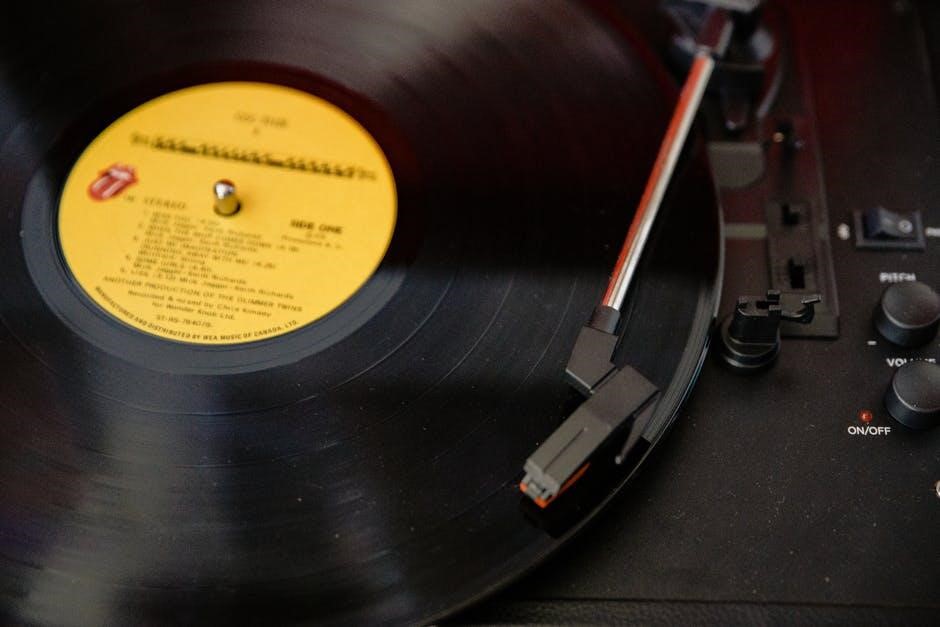
In today’s world, music is easier to access than ever before. With smartphones, streaming apps, and wireless headphones, millions of songs are available instantly. Because of this, it may seem strange that vinyl records-an old format that many thought was long gone-are becoming popular again.
Yet vinyl sales continue to rise, record stores are opening in many cities, and both new and classic artists are releasing music on records. This comeback raises an important question: why do people still love vinyl in a digital age?
The answer is simple but meaningful. Vinyl offers an experience that digital music cannot fully replace. From its physical nature to its emotional value, vinyl gives listeners something deeper than just sound. Read on.
A Physical Connection to Music
One of the main reasons vinyl has returned is its physical presence. Digital music exists only on screens and in files. You can’t hold it, display it, or truly own it in a traditional sense.
Vinyl records, on the other hand, are real objects. You can touch them, organize them, and place them on shelves as part of your personal space.
Playing a record is also more intentional than pressing a play button on a phone. You remove the record from its sleeve, place it on the turntable, and gently lower the needle.
This process slows you down and encourages you to focus on the music. For many listeners, this ritual makes listening feel special and meaningful rather than automatic or rushed.
Album Art That Feels Alive
Another major reason for vinyl’s popularity is album artwork. In the digital world, album covers are usually seen as small images on a screen.
On vinyl, album art is large, bold, and impossible to ignore. The 12-inch cover gives artists space to express their ideas visually, making the album feel like a complete artistic package.
Many vinyl records also include lyric sheets, artwork, or special designs inside the sleeve. Some are pressed on colored vinyl or include unique textures and patterns.
These features turn albums into collectibles rather than simple music containers. For fans, owning vinyl feels like owning a piece of art, not just a playlist.
The Vinyl Sound Experience
Sound quality is often discussed when comparing vinyl and digital music. While digital formats are clean and precise, many listeners believe vinyl sounds warmer and more natural. This warmth comes from the analog nature of vinyl, which captures sound waves in a continuous form rather than breaking them into digital data.
Vinyl records also have small imperfections, such as light crackles or pops. While these might seem like flaws, many fans find them comforting and nostalgic. These sounds remind listeners that the music is physical and alive.
More importantly, listening to vinyl often happens in a calm setting, where people sit down and truly listen instead of multitasking. This focused attention makes the music feel richer and more enjoyable. Check out thevinyl records in Melbourne to learn more.
Nostalgia and Emotional Value
Vinyl records carry a strong sense of nostalgia. For older listeners, they bring back memories of youth, family, and important life moments. Playing a record can feel like traveling back in time, reconnecting with emotions and experiences tied to the music.
Younger generations, meanwhile, often see vinyl as something new and exciting. In a world dominated by fast digital trends, vinyl feels unique and authentic.
It represents a slower, more thoughtful way of enjoying music. Many young listeners also discover vinyl through parents, movies, or social media, where records symbolize creativity, individuality, and culture.
The Joy of Collecting
Vinyl records are not just for listening-they are also for collecting. Each record has its own story, condition, and history. Some are rare, some are limited editions, and others may have personal meaning tied to a specific time or place.
Collecting vinyl gives people a sense of pride and accomplishment. Unlike digital libraries, which are invisible and endless, record collections are physical and carefully chosen.
People enjoy searching for records in stores, markets, and thrift shops. This hunt creates excitement and surprise, especially when a long-sought album is finally found.
Building Community Through Vinyl
Vinyl culture brings people together. Record stores often act as community spaces where music lovers meet, share recommendations, and talk about their favorite artists. Events like Record Store Day celebrate this culture by offering special releases and live performances.
These social experiences are harder to find in digital music, which is often guided by algorithms and consumed alone. Vinyl encourages conversation, connection, and shared appreciation. It reminds people that music is not just personal-it is also social.
Artists and Vinyl Releases
Artists and record labels have also played a big role in vinyl’s comeback. Many musicians release their albums on vinyl as a way to connect more deeply with fans. Vinyl records often feel more personal, especially when they include handwritten notes, special artwork, or limited pressings.
For independent artists, vinyl can also be a valuable source of income. While streaming pays very little per play, vinyl sales offer higher returns.
Fans are often willing to pay more for a physical product that feels special and lasting. Because of this, vinyl has become an important part of modern music marketing.
A Break from Algorithm-Controlled Listening
Streaming platforms use algorithms to suggest music based on listening habits. While this can be helpful, it also limits discovery and encourages passive listening. Many people simply let playlists play without thinking about what they are hearing.
Vinyl offers the opposite experience. When you play a record, you usually listen to a full album in order. This allows you to understand the artist’s vision and appreciate the music as a complete story. Vinyl listening is active rather than passive, making it more rewarding for many fans.
Looking to the Future
Vinyl’s comeback is more than just a trend. It reflects a desire for authenticity, creativity, and meaningful experiences in a fast-paced digital world. As long as people continue to value music as art rather than just background noise, vinyl will remain relevant.
In the end, vinyl records remind us that music is not only about sound-it is about feeling, memory, and connection. That is why, even in the age of digital music, vinyl continues to spin.
 Mariah