

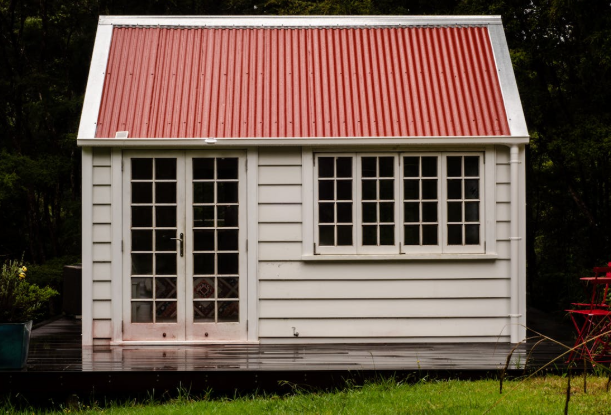
Are you struggling with lack of space at home and the thought of a full renovation gives you nightmares?
It’s no surprise really, the perceived route to extra square metres is tearing down walls, applying for planning permission and watching your savings dwindle. But it doesn’t have to be that way.
Enter the garden building. And the best thing about it? No scaffolding towers, no six-month household disruption and certainly no eye-watering construction costs.
Read on to find out all the details…
In This Article You’ll Learn:
- Why Garden Sheds Are a Better Alternative
- The Cost Comparison Between Home Extensions & Garden Buildings
- Selecting The Best Size for Your Needs
- How to Setup Your New Space for Success
Why Garden Sheds Are a Better Alternative
The classic approach to more living space has always been a house extension. But classic isn’t always best.
Checkatrade puts the average price tag for a UK home extension at between £1,500 and £3,000 per square metre. A modest 20 square metre project will therefore set homeowners back a minimum of £30,000 to £60,000 before even getting to the fixtures and fittings.
That’s a big chunk of change.
Garden buildings are different. A good quality 4m x 3m shed offers 12 square metres of usable living space at a fraction of that cost. That’s a home office, hobby room, gym or creative studio with room to move.
Plus this…
Most 4m x 3m garden sheds come under permitted development rules and therefore don’t need planning permission in most cases.
The Cost Comparison Between Home Extensions & Garden Buildings
A house extension and a garden building are like chalk and cheese when it comes to cost and disruption.
The former is a complicated, drawn out process involving architects, structural engineers, building regs and months of workmen trampling all over your house.
The disruption alone can make you insane.
A garden building? Completely different story. These arrive ready to install so most garden buildings can be up and usable in days rather than months.
But it doesn’t stop there, this time at the initial purchase price. Garden offices can actually add to the value of your property. Studies show that a dedicated garden workspace can add 5-15% to home value depending on build quality and local market conditions.
Nice little investment, eh?
With remote working now ingrained in UK working culture, that extra space is no longer just convenient, it’s desirable.
Selecting The Best Size for Your Needs
Size does matter when it comes to garden buildings. A space that’s too small feels cramped and a monster structure that dominates the garden is equally unappealing.
The 4m x 3m footprint size strikes the right balance for most people. But why this size?
- Home office: Gives room for a desk, storage and meeting space
- Gym: Enough space for weights, bench and cardio
- Workshop: Area for workbench and tool storage
- Art studio: Working on larger projects with natural light
Before you choose, take a string or marker and measure out the footprint in the garden. Have a wander around it and visualise it against the house and boundaries.
This simple bit of groundwork prevents costly mistakes.
How to Setup Your New Space for Success
A garden building is only as good as its setup. Getting the base right is absolutely critical.
The structure needs a solid level base of some sort. This can be a concrete slab, paving stones or timber bearers. Omit this and you’ll have problems with damp, warping and structural issues later.
Electricity is the next area to consider. A qualified electrician is normally needed to run power from the house to a garden building. It’s a small price to pay for lighting, heating and connectivity.
If you want to use the space year-round insulation is huge. Wall insulation, double glazed windows and flooring all transform a basic shed into a real living space.
Bear these essentials in mind:
- Lighting: Windows for natural light plus task lighting for working in the evenings
- Heating: Electric panel heaters or small heat pump
- Internet: WiFi extender or dedicated ethernet cable from house
- Ventilation: Openable windows or vents to reduce condensation
Making the Most of Limited Garden Space
Not all of us have acres to play with. Urban gardens tend to be on the small side which makes this whole efficient use of space thing doubly important.
The 4m x 3m building size is about as big as most suburban gardens will accommodate. While still leaving space for garden furniture, plants and pathways the footprint is smaller than a standard parking space.
Position is important too. Placing the building at the far end of the garden helps to create a physical and psychological separation from the main house. This helps with getting into ‘work’ mode when working from home.
Orientation affects how much natural light you get. South facing windows bring warmth and brightness. North facing structures get a consistent level of light without glare and is often better for artists and designers.
The Practical Benefits Beyond Space
Of course, more living space is the primary draw. But the benefits garden buildings offer go beyond that.
The flexibility is astonishing. A home office one day can be guest accommodation or teenage hangout the next. The structure stays. Only the furniture and purpose change.
They create defined boundaries between work and home life. Walking across the garden to start and end the workday creates a mental transition you can’t get from working at the kitchen table.
For families a garden building can be a retreat. A quiet space to take video calls, work on creative projects or just to get away from the household chaos.
And for all those hobbies that make a mess, noise or require space permanent indoors, a dedicated outbuilding is perfect. Woodworking, painting, music practice or model building all work without taking over the spare bedroom.
Wrapping Things Up
A usable living space increase doesn’t require a major renovation, big budget or months of disruption.
Garden buildings like a well designed 4m x 3m garden shed are a practical alternative that really has real value. Cost is lower, speed of installation is much quicker and the flexibility is unmatched.
For a quick recap…
- House extensions cost £1,500 to £3,000 per square metre
- Garden buildings deliver instant extra space for a fraction of the cost
- The 4m x 3m footprint is ideal for offices, gyms, workshops & studios
- A good setup with insulation & electricity creates year-round usability
- Garden offices can add real value to property prices
The smart money is on working with what you already have in the garden. No builders making a mess of your kitchen. No six-month wait. Just practical usable space ready to use when you need it.
 admin
admin