

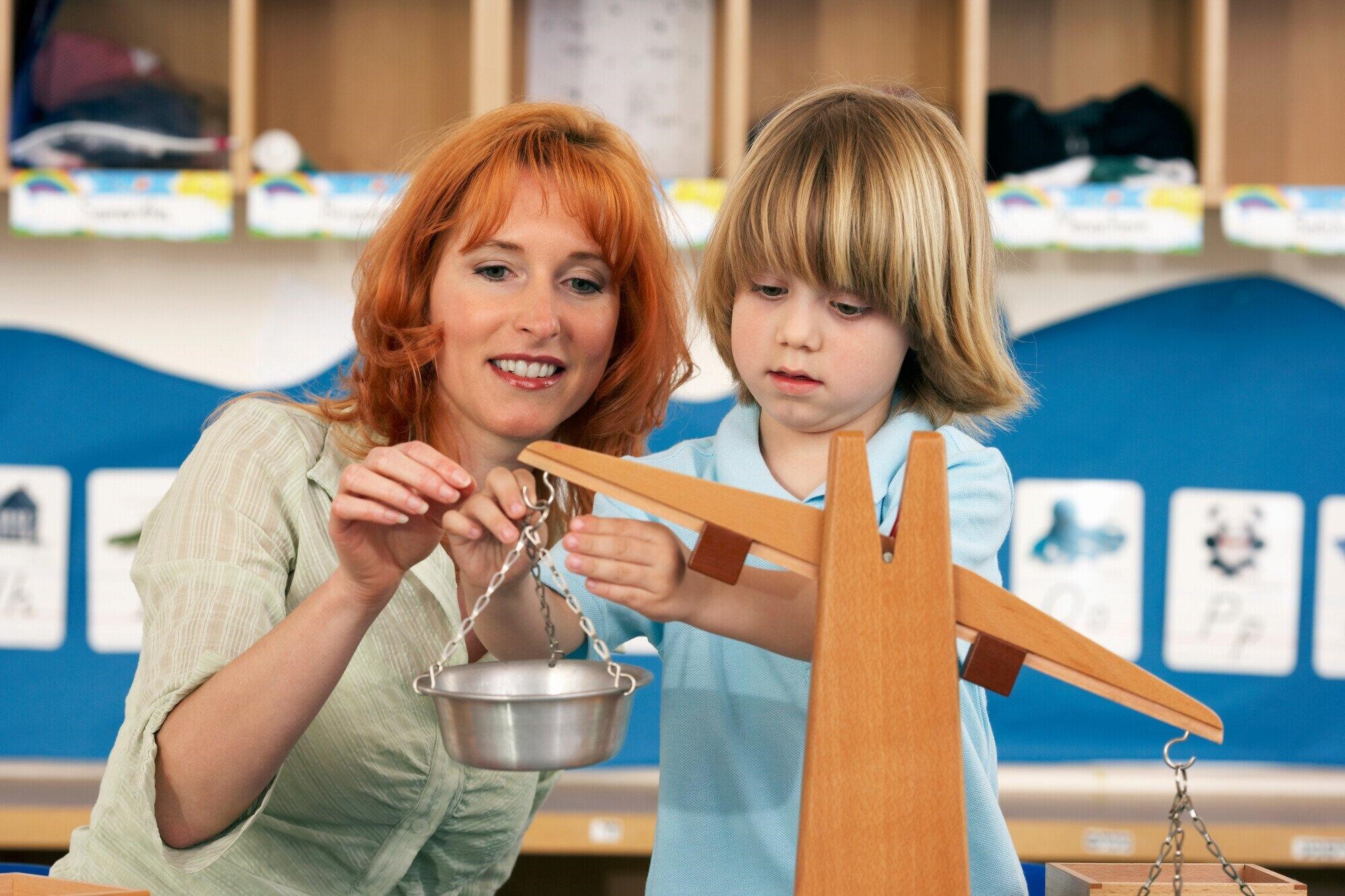
Children are naturally curious. From the moment they can move, they explore, test, and discover the world on their own terms. Early learning works best when it honors this instinct instead of controlling it.
Child-led learning does exactly that by giving children space to grow into confident and capable individuals. If you have ever wondered how independence begins in early childhood, keep reading. What follows shows how child-led learning quietly shapes strong, self-directed learners from the very start.
What Child-Led Learning Really Means
Child-led learning places the child at the center of the experience. Instead of being told what to do at every moment, children are guided to make choices based on their interests and readiness.
Teachers closely observe and offer support when needed, without rushing the process. This approach respects each child’s pace and allows learning to feel natural rather than forced. When children feel trusted, they begin to trust themselves.
Independence Starts With Choice
Small choices build big confidence. When children choose their activities, they learn to listen to their own needs. They decide when to focus, when to move, and when to rest.
These daily decisions help children understand cause and effect. They learn that their actions matter. Over time, this builds emotional independence without pressure or fear of mistakes.
The Role of the Prepared Environment
A child-led classroom is carefully designed to support freedom within safe limits. Materials are placed within reach. Activities are simple, purposeful, and inviting.
This environment encourages children to try things on their own before asking for help. When a child can pour water, clean up a spill, or complete a task independently, pride follows naturally. The space itself becomes a silent teacher.
Learning Responsibility Through Daily Practice
Independence is not only about doing things alone. It is also about caring for oneself and the environment. Child-led learning includes daily routines that teach responsibility in gentle ways.
Children learn to return materials, respect shared spaces, and care for their work. These habits grow through repetition, not correction. Understanding the Montessori Toddler Curriculum helps explain how these routines support independence without reward or punishment.
Emotional Growth Through Self Direction
When children guide their own learning, they also learn to manage emotions. They experience focus, frustration, and success in safe ways. Teachers support emotional growth by acknowledging feelings without taking control.
This helps children build patience and resilience. They learn that challenges are part of learning, not something to avoid. Emotional independence grows alongside practical skills.
Trusting the Process of Development
Child-led learning requires trust from adults. It asks parents and educators to step back and observe rather than direct. This trust sends a powerful message to children that they are capable.
As children grow, this trust turns into confidence. They approach new tasks with curiosity instead of fear. They see learning as something they own.
When Independence Becomes a Lifelong Strength
Independence built in early childhood does not fade. It becomes a foundation for problem solving, self motivation, and confidence later in life.
Child-led learning shows that independence is not taught through control. It grows through respect, patience, and trust. When children are allowed to lead, they do not just learn more-they become more.
 Mariah