

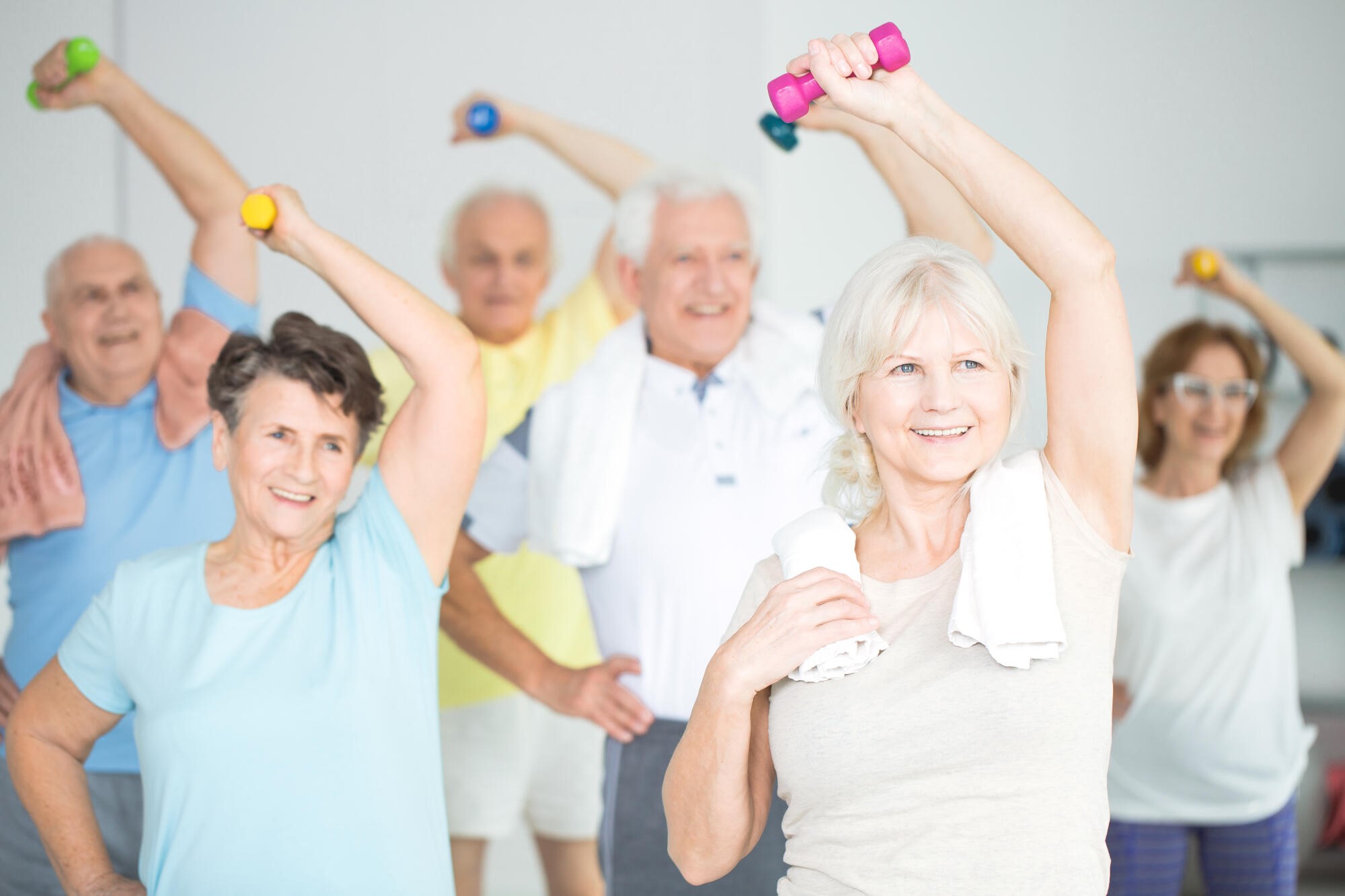
Active living is essential for seniors who want to maintain both mental and physical health. Regular physical activity can help reduce the effects of aging and boost mood. Seniors who stay active experience stronger bodies, sharper minds, and greater emotional resilience.
Engaging in daily activities that encourage movement and social interaction can make a significant difference in quality of life. Take a closer look as we break it all down.
What Active Living Means
Active living is about making physical activity a regular part of everyday life. This can include the following:
- walking around the neighborhood
- tending to a garden
- participating in local fitness classes
The key is consistency and making movement a priority. Even gentle exercises can improve circulation, strength, and flexibility.
Over time, these small efforts add up. It helps seniors feel healthier, more energetic, and more confident in their abilities.
Physical and Mental Benefits
Being physically active has many benefits for seniors. Exercise supports heart health and reduces the risk of chronic conditions. At the same time, physical activity boosts mental health.
Movement encourages the release of endorphins. This can improve mood and reduce anxiety or depression.
Staying active also supports independence. It allows seniors to complete daily tasks with ease and confidence. Even light activities like stretching or yoga can significantly contribute to overall well-being and energy levels.
Social Benefits of Staying Active
Social interaction is an important part of active living. Seniors who regularly engage with others often report higher levels of happiness and lower feelings of isolation. Activities that combine socializing create opportunities for connection and friendship.
These interactions foster a sense of belonging and purpose. This is vital for emotional wellness. Participating in group activities also encourages regular engagement, keeping seniors involved in their community and connected to others.
Finding Enjoyable Activities
The best way to maintain active living is to find activities that are enjoyable. Visiting local senior centers, joining community clubs, or participating in group exercises can provide both physical and social benefits. Gardening offers a chance to move the body while spending time outdoors and meeting neighbors.
Family members can also help by encouraging participation in walks, games, or shared hobbies. Choosing activities that match personal interests is key. An active senior living lifestyle explained help seniors see the value of staying engaged. This makes it more likely they will continue participating and enjoy the long-term benefits.
Improving Quality of Life
Active living transforms quality of life for seniors. Those who remain active experience better moods, stronger social connections, and a greater sense of purpose. Physical and mental health improvements reinforce each other, creating a cycle of wellness.
By prioritizing activity, seniors can enjoy more energy, mental clarity, and confidence, allowing them to engage fully in their daily lives and pursue meaningful experiences.
Start Your Active Living Journey Today
Encouraging seniors to embrace active living is a powerful way to improve health and happiness. Resources that support movement and social interaction can help seniors build a routine that works for them. Taking consistent steps toward an active lifestyle creates long-term benefits.
This fosters both physical and emotional resilience. Every day is an opportunity to strengthen the body, mind, and spirit while enjoying a more fulfilling life.