

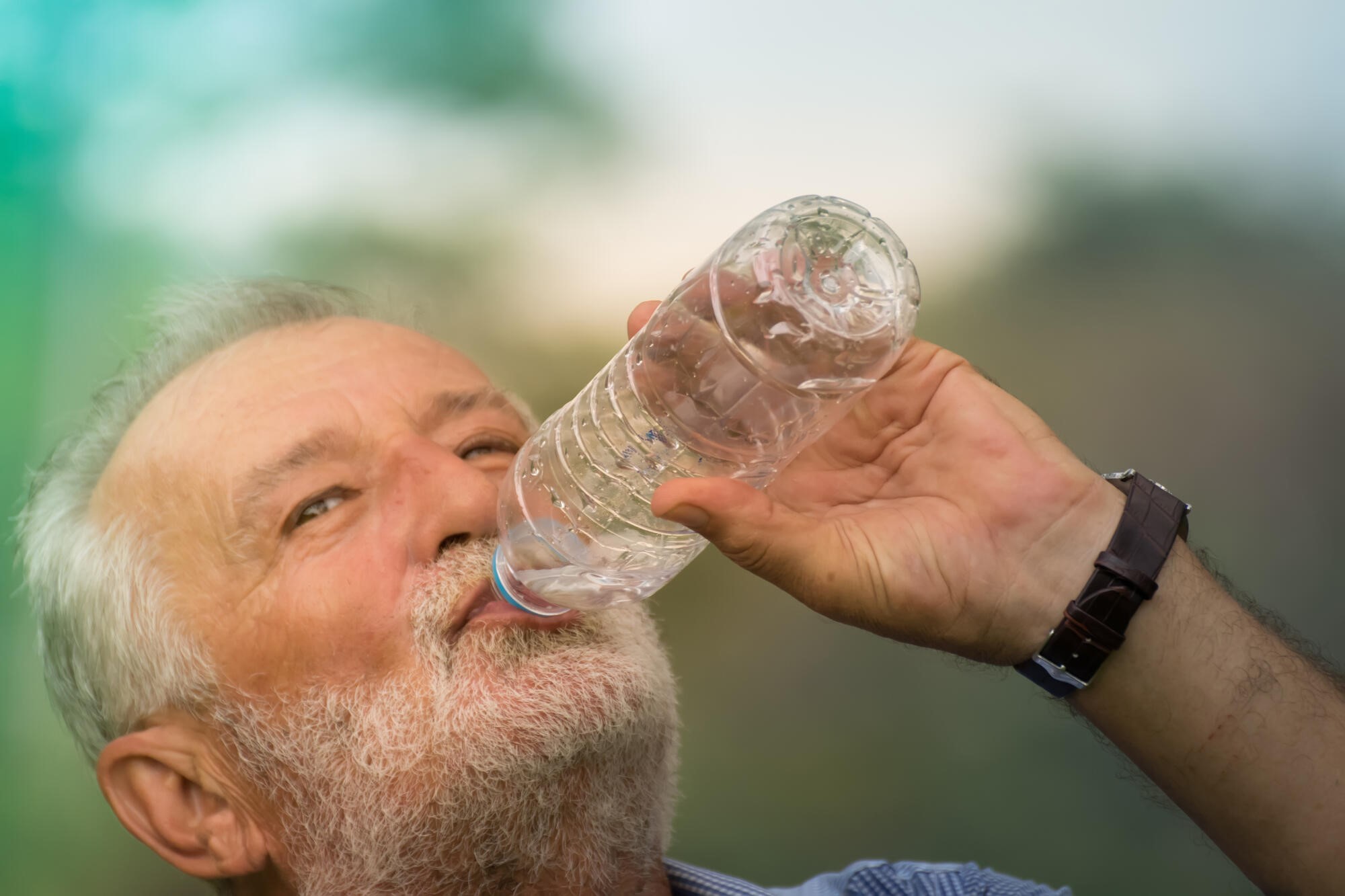
As we grow older, our bodies change in many ways. Some changes are easy to notice, while others happen quietly over time. One important change affects how the body uses and senses water.
Hydration plays a major role in overall health, especially for older adults. Drinking enough water supports energy, clear thinking, and daily comfort. Even though many people believe water is only important during hot weather or exercise, staying hydrated matters every day.
The answers are just ahead. Keep reading.
Why Hydration Is So Important for Older Adults
Water supports almost every system in the body. It helps regulate body temperature, transport nutrients, and eliminate waste.
For older adults, hydration becomes even more important because the body holds less water than it did at a younger age. At the same time, the sense of thirst often becomes weaker. This makes it easier to become dehydrated without realizing it.
When the body does not get enough water, health problems can develop. Dehydration may raise the risk of kidney stones, urinary tract infections, and constipation. It can also cause confusion, poor focus, tiredness, and weakness.
These symptoms may appear slowly, making them easy to overlook or mistake for normal aging.
Why Dehydration Often Goes Unnoticed
Many older adults do not feel thirsty even when their bodies need water. This can lead to long periods without drinking enough fluids.
Some people also limit drinking to avoid frequent bathroom trips. Others may forget to drink water during the day, especially if they live alone or follow a fixed routine.
Medications can also affect fluid levels in the body. Certain medicines increase fluid loss or reduce the feeling of thirst. Due to these factors, dehydration can develop gradually and become severe if not addressed promptly.
Building Simple Hydration Habits
Staying hydrated does not have to be difficult. Small daily habits can make a big difference, especially when focusing on hydration for older adults. Drinking water regularly throughout the day helps keep fluid levels steady.
Some people find it helpful to drink a glass of water in the morning and again before meals. This builds a routine that supports hydration without much effort.
Adding natural flavor to water can also help. Fruit slices or herbs can make water more enjoyable and encourage drinking more often. Eating foods with high water content, such as fruits and vegetables, also supports hydration while providing vitamins and fiber.
Understanding Personal Hydration Needs
Hydration needs can change based on activity level, weather, and health conditions. A common guideline is about eight glasses of water a day, but some people may need more or less.
It is important to talk with a healthcare provider if you have health concerns or take medications that affect fluid balance. Listening to your body is key.
Paying attention to urine color, skin dryness, and energy levels can help you notice early signs of dehydration. Light yellow urine usually means hydration is on track, while dark yellow may signal the need for more fluids.
Supporting Health Through Daily Hydration
Making hydration a daily priority supports both physical and mental health. Drinking enough water helps improve digestion, maintain energy, and support clear thinking. Over time, good hydration habits can improve comfort and reduce avoidable health issues.
By choosing to drink regularly and paying attention to your body’s needs, you take an active step toward better well-being. Each glass of water supports a stronger, healthier, and more vibrant life.
There’s so much more to discover! Head over to our blog for all the details.
 Mariah