

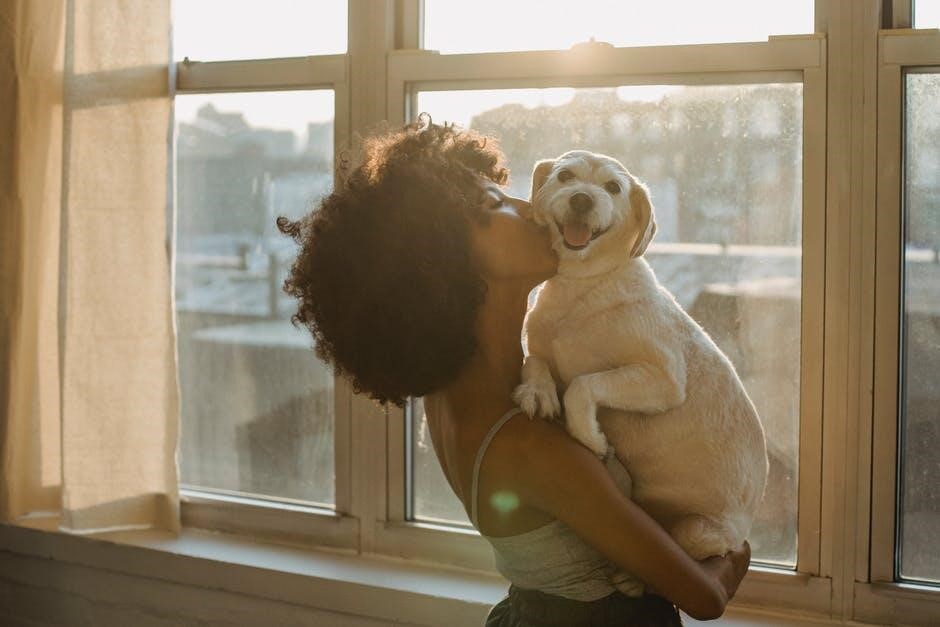
Bringing a dog into your home is exciting. Their wagging tails, playful energy, and loyal companionship make every day brighter. But having a dog also comes with responsibility. Training is one of the most important parts of building a happy life together.
A well-trained dog is safer, calmer, and easier to enjoy. First-time pet owners may feel unsure where to start, but learning simple techniques can create a strong bond and set the stage for success. Keep reading to discover essential tips that make training easier and more effective.
Understanding Your Dog’s Needs
Every dog is unique. Breed, age, and personality all affect how they respond to training. Puppies have different energy levels and attention spans compared to adult dogs. Some breeds are more independent, while others crave constant interaction.
Understanding your dog’s temperament helps you choose the right approach. Observing how your dog reacts to new experiences, people, and other animals can guide your training strategy and make learning smoother.
Start With Basic Commands
The foundation of any dog’s training is simple commands. Sit, stay, come, and down are essential skills. Start slowly and use short sessions to avoid overwhelming your dog. Positive reinforcement, such as treats, praise, or play, encourages learning. Repetition is key, and patience pays off. When a dog successfully follows a command, reward immediately so they connect the behavior with the positive outcome.
Create a Routine
Dogs thrive on consistency. Establish a daily schedule for feeding, walks, playtime, and training sessions. A predictable routine helps dogs understand what is expected and reduces stress. Consistent timing also strengthens house training and encourages good habits. A structured day makes it easier for dogs to focus during training sessions and respond reliably to commands.
Socialization Matters
Early socialization is crucial for a well-adjusted dog. Introducing your dog to different people, animals, and environments helps prevent fear or aggression. Positive experiences during socialization make dogs more confident and adaptable. Take time to expose your dog to new sights, sounds, and experiences gradually. Reward calm and friendly behavior to reinforce confidence.
House Training Tips
House training is one of the first challenges for new dog owners. Establish a designated potty area and take your dog there frequently, especially after meals, naps, or play. Praise and reward them for going in the right spot. Avoid punishment for accidents, as it can create fear and confusion. Consistency, patience, and supervision are key to successful house training.
Leash Training and Walks
Walking a dog on a leash requires practice. Start in a quiet area and use treats or praise to encourage walking beside you. Avoid pulling or dragging, which can create bad habits. Short, frequent walks help dogs adjust to leash rules gradually. Over time, walks become enjoyable for both the dog and the owner, strengthening the bond between you.
Understanding Behavior Signals
Dogs communicate through body language, sounds, and actions. Learning to recognize signals such as tail wagging, growling, or ears back helps you respond appropriately. Understanding your dog’s signals can prevent misunderstandings and improve training. Responding calmly and consistently reinforces trust and helps your dog feel safe in your care.
Positive Reinforcement Over Punishment
Training works best when based on rewards rather than punishment. Positive reinforcement encourages behaviors you want to see repeated. Punishment can create fear, anxiety, and mistrust.
By rewarding good behavior and redirecting unwanted behavior, dogs learn more quickly and remain confident. Using treats, praise, or play keeps training enjoyable for both owner and pet.
Addressing Problem Behaviors
All dogs may develop minor problem behaviors like chewing, barking, or jumping. Address issues early with gentle redirection and consistent rules.
Provide safe alternatives for chewing, such as toys or bones. Teach the “quiet” command for excessive barking and encourage calm greetings to prevent jumping. Consistency and patience are essential when correcting unwanted behaviors.
Using Professional Resources
First-time dog owners benefit from professional guidance. Trainers, classes, and online resources provide structured advice and support. Look for programs that emphasize positive reinforcement and tailored guidance for your dog’s needs.
Many owners find that seeking help early prevents frustration and speeds up the training process. Remember, learning is a two-way street-both you and your dog are growing together.
Tracking Progress and Staying Patient
Training is a journey, not a race. Celebrate small milestones and track progress over time. Some commands may take days to learn, while others require weeks. Patience and consistency help your dog feel confident and secure. Avoid rushing or expecting perfection. Every success, no matter how small, builds a stronger bond and reinforces good habits.
Know Your Dog Training
It is important to understand your own training style as well. Every owner communicates differently, and learning techniques that match your personality helps maintain consistency.
Using resources like Know Your Dog Training can give guidance on exercises, schedules, and strategies to fit your lifestyle. When you understand how to teach effectively, your dog learns faster and enjoys the process more.
The Joy of a Well-Trained Dog
A trained dog is more than well-behaved. They are happier, safer, and more confident. Training strengthens the bond between dog and owner, creating a home filled with trust and understanding.
First-time pet owners who invest in training early enjoy years of companionship without frustration. Each lesson learned becomes a step toward a lifelong friendship filled with joy, loyalty, and love.
Making Training Fun for Both of You
Training can be enjoyable. Turning lessons into games and playful activities keeps your dog engaged and motivated. Use toys, treats, and praise to make learning enjoyable.
When training feels fun, your dog looks forward to sessions and learns faster. At the same time, it strengthens the bond between you, creating a positive experience that makes daily life happier for both pet and owner.
Growing Together for a Lifetime
Training a dog is an ongoing process that brings rewards beyond obedience. It teaches patience, empathy, and communication. A well-trained dog fits seamlessly into your home and life.
By practicing consistency, using positive methods, and seeking guidance when needed, you create a partnership that lasts a lifetime. Every effort you put into training today builds a confident, happy dog tomorrow.
 admin
admin