

Emergencies have a way of showing up without warning, often when we’re least prepared. A family dinner can turn into a choking emergency, a quiet afternoon can turn into a fall, and a normal day can shift instantly when someone collapses.
First aid knowledge gives you the ability to step in, stay calm, and help until professional responders arrive. Learning how to act in these moments doesn’t just make you useful-it makes you confident, capable, and ready for anything life throws at you. Keep on reading for more info.
Why First Aid Training Matters in Everyday Life
First aid training matters because it gives you the power to respond when seconds really count. When someone experiences cardiac arrest, acting fast can make the difference between life and death, and those early moments determine the person’s chances of survival.
Knowing what to do instead of panicking helps you protect someone’s life while emergency services are on their way. Even outside of major emergencies, basic first aid keeps injuries from getting worse and prevents small problems from turning serious. Once you know how to handle the basics, you’ll notice how much more secure you feel in situations that used to seem intimidating.
Understanding the Life-Saving Power of CPR
CPR is one of the most recognized first aid skills, and for good reason. When someone’s heart stops beating, CPR keeps blood flowing until trained help arrives, giving the person a fighting chance. With the right training, you learn proper hand placement, compression depth, and rhythm-skills that are much easier to perform after hands-on practice than after reading instructions online.
Taking a certified course ensures you’re learning techniques that follow the latest medical guidelines. If you want reliable instruction, American Heart Association CPR courses at In-Pulse CPR offer training that helps you stay prepared for the emergencies that matter most.
How First Aid Training Helps You Manage Bleeding and Injuries
Bleeding can look scary, but knowing how to control it keeps you calm and focused. First aid training teaches you how to apply pressure correctly, when to use bandages, and how to manage deeper cuts or heavy bleeding. These are the small but powerful actions that stabilize someone long before paramedics arrive.
You’ll also learn what to do when someone experiences a sprain, strain, or fracture. The goal isn’t to fix the injury yourself-it’s to protect the person, prevent complications, and make sure they get the proper medical care as quickly as possible.
Responding to Choking, Breathing Emergencies, and Burns
Choking can become serious very fast, especially for children, and knowing what to do helps you stay calm. Learning how to do abdominal thrusts safely gives you the confidence to act as soon as you see someone having trouble. Breathing problems, like drowning or asthma attacks, also require a clear mind, and first aid training helps you spot the signs sooner.
Burns are common, too, and proper care can reduce pain, help prevent infection, and protect the skin while it heals. Once you know these skills, emergencies start to feel much easier to handle.
How First Aid Skills Protect Your Household and Community
First aid knowledge is one of those rare skills that benefits everyone around you. At home, you become the person who keeps calm and helps others feel safe, especially during accidents involving children or older adults. At work, you become a valuable resource during unexpected injuries or health issues. In your community, your readiness can make a real difference in moments when help is not immediately available.
Getting the Most Out of Your First Aid Course
Starting first aid training is easier than most people think. Classes usually mix hands-on practice with clear, simple explanations that help you remember what to do. You’ll practice CPR on a manikin, learn how to use an AED, and go over how to treat cuts, burns, and sudden sickness.
These classes are meant to help you feel comfortable by practicing, not by putting pressure on you. Even if you’ve never taken a class before, the skills start to feel natural as you repeat them. When you finish your training, you’ll leave with knowledge that stays with you for a long time.
Why Refreshing Your Skills Keeps You Ready
First aid skills can fade if you don’t use them, which is why refreshers matter. Taking a renewal class or reviewing what you learned every few years helps you stay confident and up to date. Medical advice changes as new research comes out, and staying current helps you give the safest care.
Refreshers also help you feel sure of yourself, especially if you haven’t used your skills in a real situation. When an emergency happens, you’ll be ready to act quickly instead of stopping to think.
The Importance of Having the Right First Aid Supplies
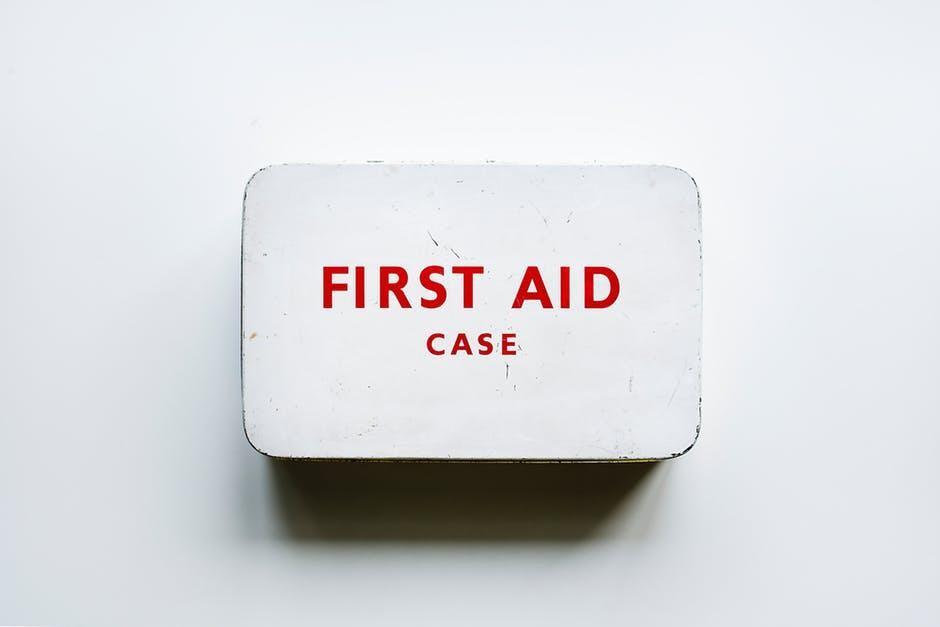
Even the best training is more effective when paired with the right supplies. A simple first aid kit can help you handle cuts, scrapes, burns, allergic reactions, and more. Stocking your home, car, or workplace with basic medical supplies ensures you can act immediately instead of scrambling for materials.
First aid courses often include tips on what to keep in a kit and how to use each item properly. Having your supplies organized and accessible turns stressful situations into manageable ones.
Preparing Yourself for the Unexpected
Emergencies can be overwhelming, but they’re much easier to manage when you feel prepared. Learning first aid helps you stay calm under pressure and reduces the fear that often comes with the unknown.
Whether you face a minor accident or a major medical emergency, the skills you learn give you a sense of purpose in the moment. You won’t feel helpless-you’ll feel capable. And in the world of safety, capability is everything.
Take the First Step Toward Being Ready
If you’ve ever wondered what you would do in a real emergency, now is a good time to find out. First aid training teaches you basic skills that can help for a long time. It also helps you become someone others can rely on when something goes wrong. Even a short class can give you confidence that stays with you. Learn these skills, protect the people you care about, and take a small step toward being ready for emergencies. Your future self-and maybe someone else-will be glad you did.
For more related topics, check out the rest of our blog!