

Have you ever opened a travel website, looked at the prices, and wondered whether family vacations secretly require a second mortgage? Many families feel that way today. With rising airfare, higher food prices, and busy schedules, travel can seem out of reach. Yet places like Gatlinburg, Tennessee still attract families looking for affordable adventure. Smart planning, realistic expectations, and a few insider strategies can turn a tight budget into a memorable trip.
Why Family Travel Feels More Expensive Right Now
Families today are navigating a strange travel moment. Airline prices swing wildly, hotel rates climb during peak seasons, and even national parks now charge parking fees. After the pandemic travel surge, demand stayed high while household budgets tightened due to inflation. The result is that families must plan trips with the same care they use when planning monthly bills.
Yet cost pressure also created a new kind of traveler. Families are skipping luxury upgrades and focusing instead on meaningful experiences. A hike, a scenic overlook, or a street festival often delivers more lasting memories than an expensive attraction. That shift in mindset has quietly reshaped how families plan vacations.
Start With Destinations That Offer Built-In Value
Some destinations are naturally budget friendly because the surroundings do most of the work. Mountain towns, national parks, and small historic cities often provide entertainment without expensive admission tickets. Families simply need to know where to look and how to pace their activities.
Many travelers search for free things to do in Gatlinburg, which include exploring Great Smoky Mountains National Park, driving the Roaring Fork Motor Nature Trail, or visiting the Gatlinburg Arts and Crafts Community where more than 80 artisans display handmade work. According to travel guides from Old Creek Lodge, families can also ride the town trolley for free or watch seasonal storytelling events like Smoky Mountains Tunes and Tales, making entertainment surprisingly accessible.
Travel During the “Almost Busy” Seasons
Experienced family travelers know the secret of shoulder seasons. These are the weeks just before or after peak tourist months when weather remains pleasant but crowds thin out. Hotel prices drop, attractions shorten wait times, and families spend less energy navigating packed sidewalks.
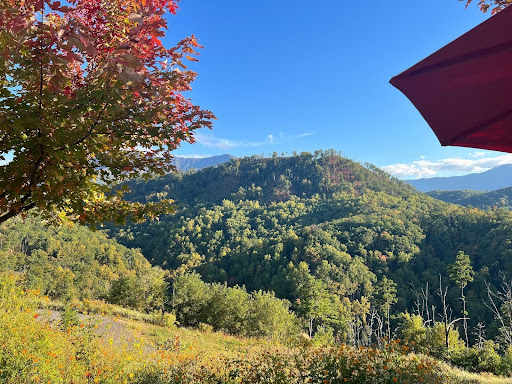
Late spring and early fall work particularly well for many U.S. destinations. For example, visiting the Smoky Mountains in early October often means cool air, colorful leaves, and lodging prices that are lower than summer vacation peaks. The difference in cost can easily fund an extra excursion or two.
Build a Daily Budget, Not Just a Trip Budget
Many families set a total trip budget but forget to divide it into daily spending limits. Without that structure, small purchases stack up quickly. Ice cream stops, parking fees, and souvenirs seem harmless until the final credit card statement arrives.
A better strategy is assigning a simple daily spending cap. Food, activities, and small treats come from that pool. If a family spends less one day, they gain flexibility the next day. This approach turns budgeting into a game rather than a restriction, which helps kids understand spending choices without feeling deprived.
Make Lodging Work for You
Hotels are often the largest expense in a family trip, but thoughtful selection can turn that cost into a savings tool. Rooms with mini kitchens reduce restaurant spending. Lodging near attractions eliminates parking fees and long drives. Some properties even offer free breakfast, which quietly saves families $40 or more each morning.
Location matters just as much as price. Staying close to town centers or national park entrances cuts transportation costs and leaves more time for exploring. Families sometimes choose the cheapest hotel on the outskirts, only to spend the savings on gas and parking.
Use Technology Like a Travel Researcher
Families today have one huge advantage compared with travelers twenty years ago: information is everywhere. Price tracking tools, travel deal newsletters, and route comparison apps allow families to monitor costs before committing to a trip.
Flight alert services notify travelers when prices drop. Map apps reveal grocery stores, picnic areas, and scenic stops that rarely appear in traditional guidebooks. Even social media can help, as local residents often share tips about festivals, scenic trails, and free community events that never appear in tourist brochures.
Plan One Splurge, Then Balance It
Budget travel does not mean eliminating fun extras. In fact, planning one intentional splurge can make a trip feel special without wrecking the budget. Families might choose a scenic helicopter ride, a guided wildlife tour, or tickets to a local show.
The key is balance. If one activity costs more than usual, the rest of the day becomes simpler. A picnic lunch replaces a restaurant meal, and a nature walk replaces another paid attraction. Children rarely remember which activities were free and which were expensive, but they remember how the day felt.
Turn Kids Into Budget Travelers Too
Children often enjoy the planning process when adults invite them into it. Instead of presenting the itinerary as a finished schedule, parents can involve kids in choosing activities that fit the budget. This teaches basic financial thinking without turning vacation into a lecture.
For example, each child might choose one activity for the trip. When they compare prices, they quickly notice that some experiences cost more than others. Kids then begin searching for creative alternatives, such as scenic trails, observation towers, or small museums with low admission fees. Suddenly the whole family becomes a team of travel planners.
The Real Secret Behind Affordable Family Trips
Budget family travel ultimately comes down to perspective. Many travelers assume vacations must follow the glossy version they see on social media, complete with expensive tours and nonstop attractions. In reality, the most memorable trips often unfold slowly, with time to wander, observe, and laugh at unexpected moments.
A family standing at a mountain overlook, sharing snacks from a backpack while the sunset colors the sky, probably spent very little money to be there. Yet that quiet moment may become the story everyone tells years later. In a time when travel prices feel unpredictable and budgets feel tight, those simple experiences remind families that adventure rarely depends on how much they spend.