

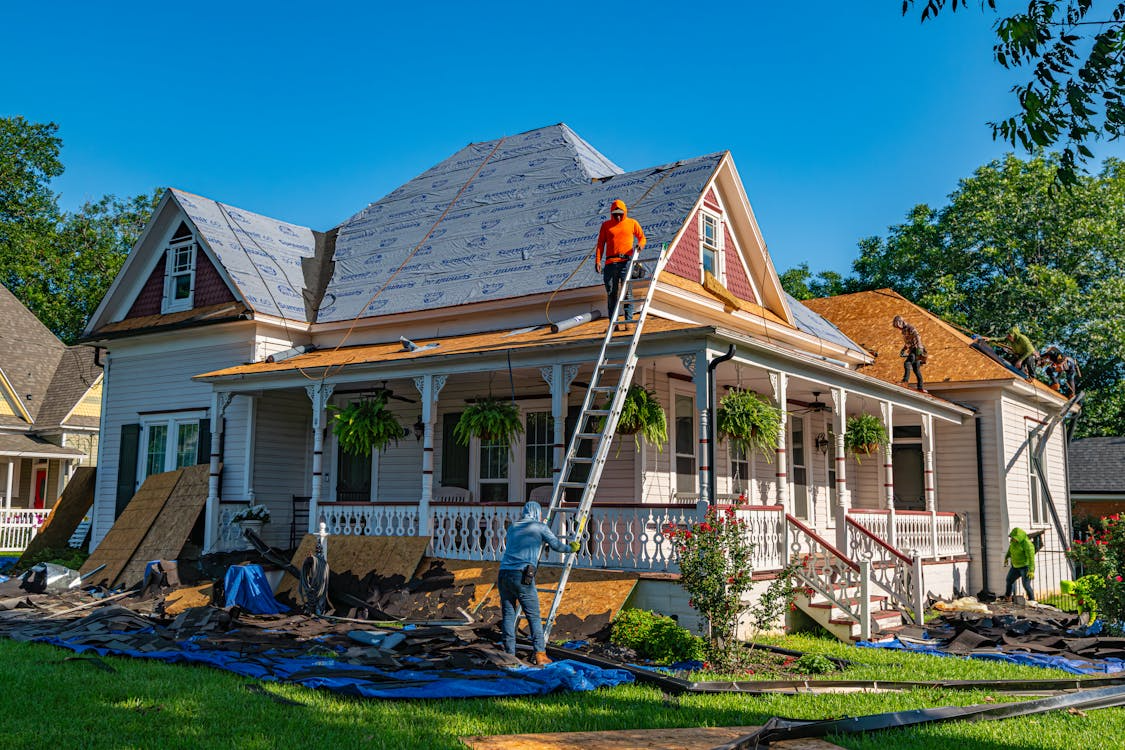
If you live in Salem, Oregon, you already know how unpredictable the weather can be. One week brings steady rain, the next brings windstorms rolling through the Willamette Valley. Over time, that mix of moisture, wind, and seasonal temperature swings can take a serious toll on your roof.
Many homeowners don’t think much about their roof until there’s a visible leak or shingles scattered across the yard. But roofing problems often build slowly. What starts as a minor issue can grow into structural damage that’s far more expensive to fix.
In a climate like Salem’s, regular inspections and timely repairs are important. Still, there comes a point when repairs are no longer enough. Some roofing problems simply push your system beyond its limit. Knowing the warning signs can help you act before damage spreads deeper into your home.
Let’s break down the most common roofing issues that often lead to full replacement.
Severe Storm Damage and Widespread Wear
Storms are one of the biggest reasons roofs fail in the Pacific Northwest. Heavy rain seeps into weak spots. Strong winds lift and loosen shingles. Over time, repeated exposure to harsh weather weakens even quality roofing materials.
In situations where large sections of shingles are torn, underlayment is exposed, or leaks appear in multiple areas, patching becomes a short-term fix at best. That’s often when homeowners begin researching Salem roof replacement companies to address widespread damage instead of continuing with temporary repairs. Professional roofing teams can inspect storm-related issues, assess structural integrity, and recommend whether a full replacement will better protect the home long term.
Storm damage isn’t always obvious from the ground. Water can slip beneath shingles and begin affecting the decking underneath. By the time stains appear on ceilings, the problem may already be significant. If your roof has experienced repeated storms over the years, a full evaluation can reveal whether the system still has life left or if replacement is the smarter investment.
Advanced Shingle Deterioration
Shingles are your roof’s first line of defense. As they age, they start to show signs of wear. You might notice curling edges, cracks, or bald spots where granules have worn away.
Granule loss is especially common in older asphalt shingles. Those tiny granules help protect the material from sun exposure and water damage. Once they’re gone, the shingle surface breaks down much faster.
If deterioration affects only a few shingles, repairs can work. But when most of the roof shows similar wear, replacing individual pieces doesn’t solve the larger issue. Widespread shingle failure usually means the entire roof system is nearing the end of its lifespan.
In Salem’s damp environment, aging shingles can deteriorate faster than expected. Moisture speeds up breakdown, especially if the roof doesn’t get much direct sunlight to help it dry out.
Persistent Leaks and Water Intrusion
A small ceiling stain might seem harmless at first. But recurring leaks are a red flag. If you’ve repaired one leak only to discover another a few months later, your roof may be struggling at a deeper level.
Water intrusion can damage insulation, weaken wooden decking, and create conditions for mold growth in the attic. Over time, this hidden damage spreads beyond the original leak point.
When multiple leak areas appear, it often means the waterproof barrier beneath the shingles has been compromised. Fixing one section won’t prevent future leaks in another. In cases like this, replacing the entire roof ensures that new materials and underlayment restore full protection.
Ignoring ongoing leaks can lead to costly structural repairs inside your home. Acting sooner rather than later can prevent bigger issues.
Sagging Rooflines and Structural Weakness
If your roofline looks uneven or sagging, that’s more than a cosmetic problem. Sagging often signals that the decking or support structure underneath has been weakened by moisture or age.
In Salem, long periods of rain can allow water to slowly seep into roofing layers. When wooden decking stays wet for too long, it can begin to rot. Over time, this weakens the structure enough to cause visible dips.
Structural problems usually require more than surface repairs. Replacing shingles alone won’t correct compromised support beams or damaged decking. A full replacement allows contractors to remove damaged sections and rebuild the structure properly.
This isn’t an area to delay. Structural weaknesses can become safety concerns if left unaddressed.
Improper Installation or Poor Workmanship
Not every roof fails because of age or weather. Sometimes, the original installation wasn’t done correctly.
Improper flashing around chimneys and vents can allow water to enter. Poor ventilation design can trap moisture and heat inside the attic. Misaligned shingles or incorrect fastening can shorten the lifespan of the entire system.
If you find yourself dealing with repeated problems on a relatively new roof, installation errors may be to blame. In some cases, correcting widespread workmanship issues can cost nearly as much as installing a new roof.
A properly installed roof includes correct ventilation, secure flashing, and high-quality materials designed for the local climate. When done right, it performs reliably for decades.
Repeated Repairs Over Time
Many homeowners try to stretch the life of their roof by making small repairs year after year. At first, that approach makes sense. But eventually, those repair costs add up.
If you’ve patched shingles multiple times, fixed flashing more than once, or paid for several leak repairs, it may be time to compare costs. Constant maintenance doesn’t always equal savings.
A new roof provides a fresh start. Modern materials are more durable and energy-efficient than older systems. In many cases, a full replacement reduces stress and eliminates the cycle of ongoing repairs.
There’s also peace of mind that comes with knowing your roof is fully secure — especially during Salem’s stormy seasons.
Your roof does more than cover your house. It protects your family, your belongings, and the structure itself. When problems begin to pile up, it’s important to look at the bigger picture.
In a climate like Salem’s, roofing systems face constant stress from rain and wind. While repairs can solve minor issues, widespread damage, structural weaknesses, and repeated leaks often signal the need for full replacement.
Acting early can prevent interior damage and reduce long-term costs. If you suspect your roof is nearing the end of its life, a professional inspection can help you understand your options.
Replacing a roof may feel like a major step, but it’s also one of the most important investments you can make in your home’s future.
 admin
admin