

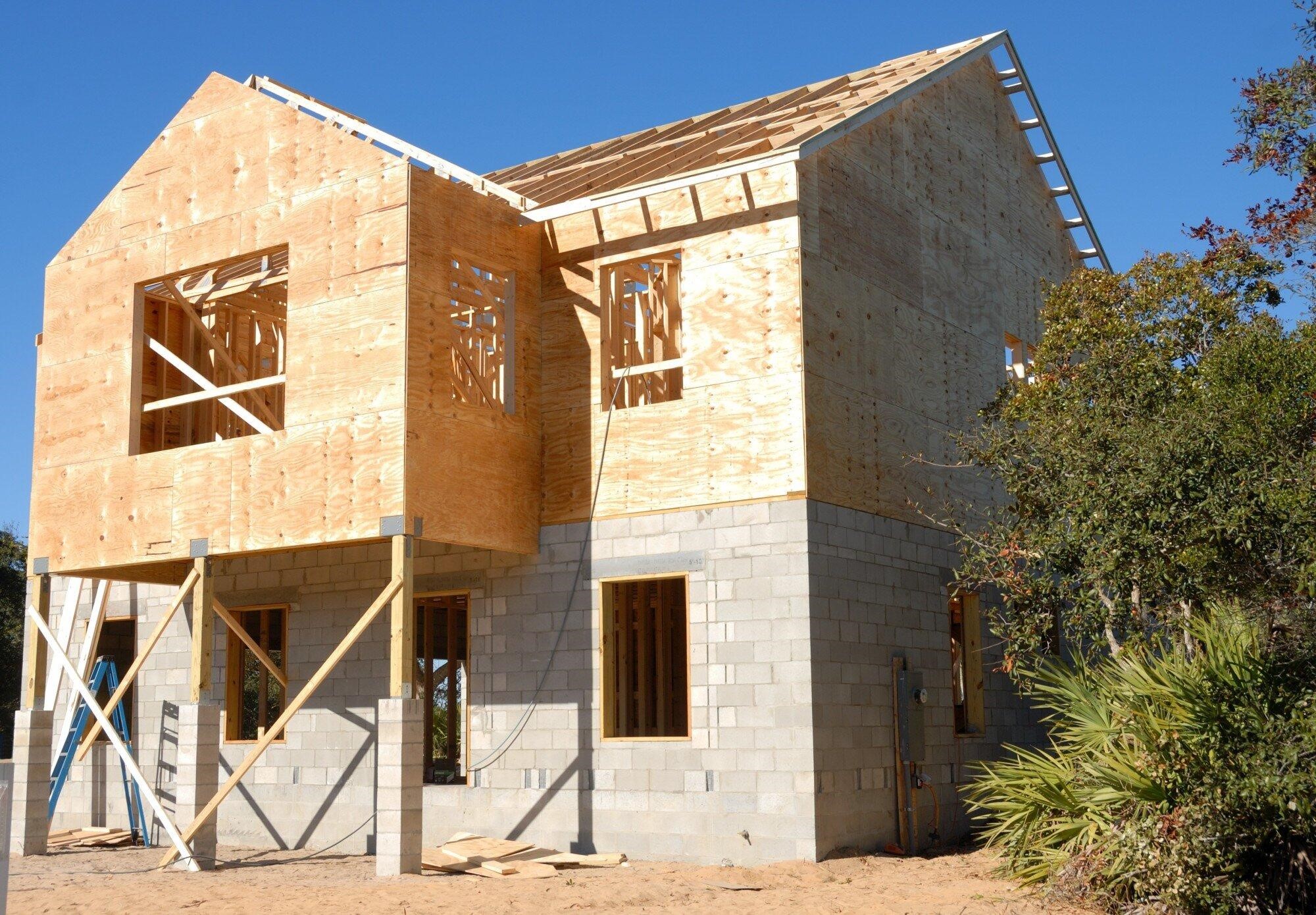
Building a home for the first time is a major milestone. It brings excitement, responsibility, and many decisions. First-time owners often feel unsure about where to begin.
A home is more than a structure. It is a place for daily life and long-term comfort. Good planning helps reduce stress and costly mistakes.
This article explains essential home-building considerations for first-time owners in a clear and practical way.
Set a Clear and Realistic Budget
A clear budget is the foundation of the entire project. First-time owners should list all expected costs before construction begins. These costs include land purchase, design fees, materials, labor, permits, and inspections.
Many owners forget to include site preparation, utility hookups, and landscaping. These costs can quickly increase the total budget. It is also important to plan for unexpected expenses.
Material prices may rise without warning. Weather delays can increase labor costs. A budget buffer helps handle these problems without panic.
A realistic budget prevents rushed decisions and unfinished work. It also protects long-term financial stability.
Choose the Right Location Carefully
Location affects daily life more than most owners expect. Commute time to work and school matters every day. Access to stores, healthcare, and emergency services adds convenience.
Noise levels from traffic or nearby businesses can affect comfort. The land itself is just as important as the neighborhood. Soil quality affects foundation work and cost.
Poor drainage can cause water problems later. Local zoning laws may limit building size or design. Choosing the right location supports comfort, safety, and future value.
Understand Design and Layout Needs
A home design should support daily routines. Think about how people move through the space. Open layouts support social interaction and natural light.
Separate rooms provide privacy and quiet when needed. Storage is often overlooked by first-time owners. Closets, pantries, and storage rooms reduce clutter.
Utility areas also improve organization and planning for future needs is important. Families grow and lifestyles change. A flexible layout saves money later.
Work With Experienced Professionals
Building a home requires skilled professionals. Architects, builders, engineers, and inspectors all play key roles. First-time owners should research carefully before choosing a team.
Reviews, licenses, and references help confirm experience. Clear communication is essential during the entire process. Everyone should understand plans, costs, and timelines.
Some owners choose experienced builders like Ardor Construction to reduce risk and confusion. Reliable professionals help prevent delays, errors, and budget issues.
Select Quality Materials for Long-Term Use
Material choices affect how long a home lasts. Cheap materials may reduce costs at first. They often lead to repairs and replacements later.
First-time owners should focus on long-term value. Roofing, insulation, windows, and structural materials deserve special attention. Durable flooring and finishes also reduce maintenance.
Quality materials improve comfort and protect the home from wear. Smart choices save money over time.
Plan for Energy Efficiency Early
Energy efficiency lowers monthly utility bills. It also improves comfort throughout the year. Good insulation helps control indoor temperature.
Proper sealing reduces air leaks and moisture issues. Natural light reduces the need for artificial lighting. Energy-efficient windows help regulate heat.
Modern heating and cooling systems use less energy. Planning these features early is easier and more affordable than upgrading later.
Learn About Permits and Building Rules
Permits are required for most building projects. First-time owners should understand local rules before construction starts. Missing permits can cause work to stop or lead to fines.
Inspections ensure safety and quality so owners should know when inspections are required and what they include. Keeping documents organized helps track progress. Understanding regulations avoids delays and legal issues.
Create a Realistic Construction Timeline
Building a home takes time and patience. Weather conditions can delay work. Material shortages and labor issues are common.
First-time owners should expect schedule changes. A clear timeline helps manage expectations. Regular updates from the builder keep everyone informed.
Flexibility reduces stress when delays occur. A realistic timeline supports better planning and decision-making.
Prepare for Utilities and Infrastructure
Utilities are essential for daily living. Water, electricity, gas, and internet must be planned early. Some locations require extra work for access.
Wells, septic systems, or extended power lines may be needed. Drainage systems protect the home from water damage and driveway access should also be considered. Early planning prevents costly last-minute changes.
Focus On Safety and Build Quality
Safety should always be a top priority. Proper wiring, plumbing, and structural work protect occupants. Building codes exist to ensure safety and durability.
Skilled labor reduces the risk of defects and cutting corners may cause serious problems later. Regular inspections help confirm quality work. A safe home provides long-term peace of mind.
Think About Long-Term Maintenance
All homes need maintenance, even new ones. First-time owners should learn basic upkeep tasks. This includes checking systems and cleaning gutters.
Material choices affect maintenance needs and low-maintenance finishes save time and money. Simple designs are easier to care for. Planning for upkeep reduces future stress.
Plan Outdoor Spaces With Care
Outdoor spaces improve comfort and value. Driveways, walkways, and patios need proper planning. Grading and drainage prevent water issues.
Landscaping should match the climate and lifestyle and low-maintenance plants reduce effort. Outdoor lighting improves safety and usability. Well-planned outdoor areas enhance daily living.
Consider Resale Value Early
Even if the home is a long-term plan, resale value matters. Neutral designs appeal to more buyers. Functional layouts increase interest.
Quality construction builds trust with future buyers. Energy efficiency adds market value. Thinking ahead protects the investment and future options.
Stay Involved Throughout the Building Process
First-time owners should stay involved during construction. Regular site visits help catch issues early. Asking questions improves understanding.
Good involvement strengthens communication with professionals. It ensures the final result matches expectations. Staying informed leads to better decisions and outcomes.
All About Home-Building Considerations
Building a home for the first time is exciting and challenging. Careful planning and smart choices make the process easier. Paying attention to budget, location, design, materials, and safety helps create a comfortable and lasting home.
Staying involved and prepared ensures the home meets your needs now and in the future. With patience and planning, first-time owners can enjoy a home they love for many years.