

Children go through many changes as they grow. They learn new skills, face school stress, build friendships, and deal with family changes. Some kids handle these changes well. Others may struggle with big feelings, worry, anger, fear, or sadness. That is where therapy can help.
Therapy gives children a safe place to talk, play, and learn healthy ways to cope. It also helps parents understand what their child needs. With the right support, kids can build strong emotional skills that last a lifetime.
In this guide, you will learn how therapy works for children, signs that a child may need help, and how families can support progress at home.
Why Emotional and Mental Health Matters in Childhood
A child’s mental health is just as important as physical health. Emotional well-being affects how kids think, learn, behave, and connect with others. When mental health needs are ignored, children may have trouble in school, at home, and in social settings. Strong emotional health helps kids:
- Handle stress in healthy ways
- Build confidence and self-esteem
- Form safe and caring relationships
- Solve problems with less frustration
- Express feelings without fear
When children get support early, they are more likely to do well later in life. Early care can prevent small concerns from becoming bigger problems.
What Is Therapy for Kids?
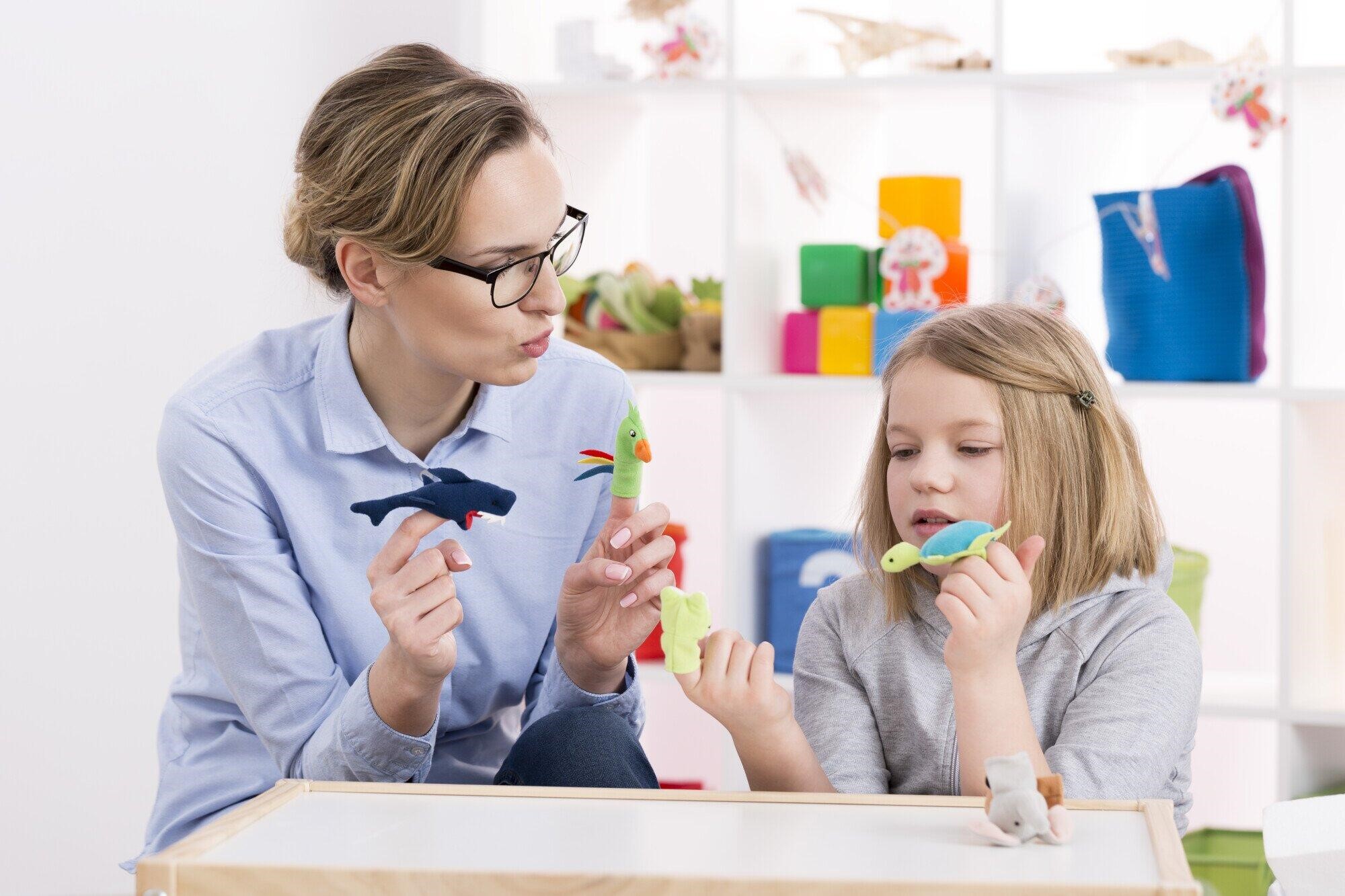
Therapy for kids is professional support designed for a child’s age and development level. Unlike adult therapy, sessions often include creative methods such as play, art, storytelling, and games. These tools help children express feelings they may not have words for yet. A licensed therapist may help a child with:
- Anxiety and fears
- Depression or sadness
- Behavior problems
- Grief and loss
- Trauma or stressful events
- School or social struggles
Many families start with child therapy when they notice emotional or behavioral changes that do not improve over time.
Signs a Child May Need Therapy
Every child has hard days. But if problems last for weeks or begin to affect daily life, it may be time to seek help. Watch for signs like:
- Frequent sadness or crying
- Constant worry or fear
- Strong irritability or anger
- Drop in school performance
- Regression, like bedwetting after being dry
Parents know their child best. If you feel something is off, trust your instincts and ask a mental health professional for guidance.
Common Types of Therapy for Children
Different children need different approaches. A therapist will choose methods based on age, personality, and concerns.
Play Therapy
Play therapy uses toys, role-play, drawing, and games to help children express emotions. It is very effective for younger kids who cannot fully explain their feelings with words.
Cognitive Behavioral Therapy (CBT)
CBT helps children notice negative thought patterns and replace them with healthier ones. It is often used for anxiety, depression, and behavior challenges.
Family Therapy
Family therapy includes parents, caregivers, and sometimes siblings. It improves communication, reduces conflict, and helps the whole family support the child.
Trauma-Focused Therapy
This approach helps children process painful events in a safe, structured way. It can reduce fear, stress, and emotional triggers linked to trauma.
Social Skills Therapy
Some children need help learning how to make friends, read social cues, and manage peer conflict. Social skills support can build confidence in school and group settings.
The Parents’ Role in a Child’s Therapy Journey
Parents and caregivers are key to successful outcomes. Therapy works best when families stay involved and open. Helpful ways to support your child:
- Keep a steady routine at home
- Practice coping tools taught in therapy
- Praise effort, not just results
- Communicate often with the therapist
- Be patient with the healing process
Children do better when they feel safe, heard, and accepted. Small daily actions at home can make a big difference.
Therapy Tools Kids Can Use in Daily Life
Therapists often teach practical skills children can use at home, school, or during stressful moments. Common tools include:
- Deep breathing exercises
- Calm-down corners
- Journaling or drawing feelings
- Grounding techniques for anxiety
- Break requests when overwhelmed
When these tools are practiced often, children build emotional strength and resilience over time.
Supporting Kids at School and in Social Settings
Mental health support should not stop at home. School and social life are major parts of a child’s world. Parents can help by:
- Meeting with teachers or counselors
- Creating simple behavior plans
- Asking for school-based accommodations
- Encouraging healthy friendships
- Limiting overscheduled routines
- Protecting rest, play, and family time
If adults work together across home and school, children receive clear and steady support.
Reducing Stigma Around Kids and Therapy
Some families worry that therapy means something is “wrong” with their child. That belief can stop children from getting needed care. In truth, therapy is a healthy and proactive choice. You can reduce stigma by:
- Talking about feelings
- Explaining therapy as support
- Using kind and non-judgmental language
- Teaching children that asking for help is brave
- Sharing that all people need support at times
When therapy is seen as normal care, children feel less shame and more hope.
When to Seek Help Right Away
Some signs require immediate attention from a licensed mental health provider or emergency service. Seek urgent help if a child:
- Talks about self-harm or suicide
- Shows severe aggression that risks safety
- Has sudden, extreme behavior changes
- Appears disconnected from reality
In urgent cases, contact local emergency services or a crisis line right away. Fast action can protect your child and connect your family to the right care.
Long-Term Benefits of Early Therapy
Early support can shape a healthier future. Children who receive therapy often gain skills that help them in their teen and adult years. Long-term benefits may include:
- Better emotional control
- Stronger communication skills
- Healthier relationships
- Improved school performance
- Higher self-esteem
Therapy does not remove every challenge, but it gives children tools to face life with confidence.
Helping Children Thrive With the Right Support
Every child deserves to feel safe, understood, and emotionally strong. Therapy can help children process hard feelings, improve behavior, and build lifelong coping skills. It also gives families a clear path forward during stressful times.
If your child is showing signs of emotional struggle, do not wait. Early support can make a lasting difference. Explore trusted resources, learn your options, and take the first step toward care. With the right help, children can heal, grow, and thrive.
For more insights and helpful articles, please visit our blog and check out the latest posts.