

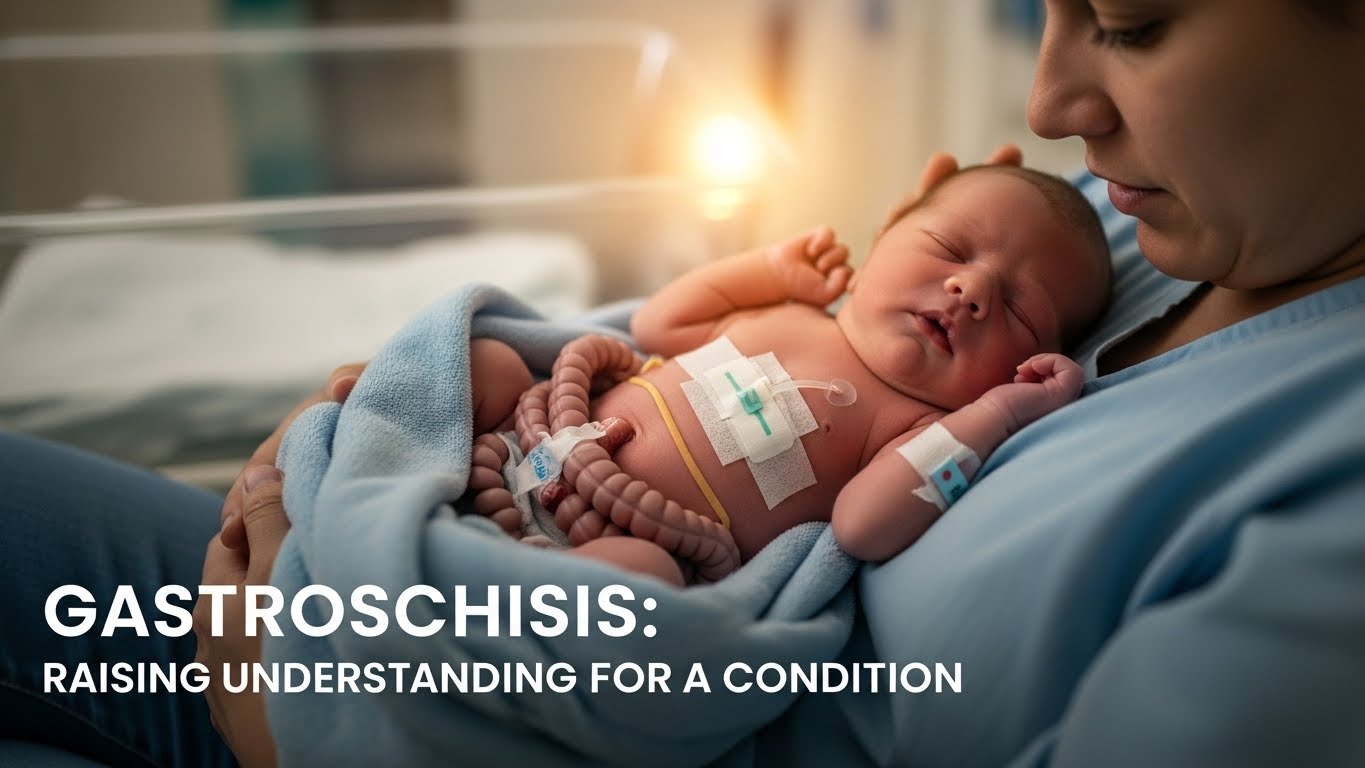
Gastroshiza is a term that might not make headlines, but for those affected by this rare condition, it represents a complex journey. Characterized by the abdominal wall failing to close properly during fetal development, gastroshiza occurs in approximately 1 in every 5,000 live births. While these numbers may seem small, the impact on families and individuals can be profound.
Navigating the world with gastroshiza comes with unique challenges. Yet awareness remains low among the general public, leaving many unaware of its significance. Understanding conditions like gastroshiza is crucial not just for medical professionals but also for society at large. Let’s delve deeper into what gastroshiza entails—its symptoms, diagnosis, treatment options—and how we can foster greater understanding and support for those living with this condition.
Symptoms and Diagnosis of Gastroshiza
Gastroshiza presents unique symptoms that can often be alarming for new parents. Most notably, a noticeable abdominal defect is evident at birth. This condition leads to the intestines protruding outside of the body, usually positioned to the right of the umbilical cord.
In addition to this physical sign, affected infants may exhibit signs of distress during feeding. They might struggle with digestion due to their externalized organs.
Diagnosis typically occurs through prenatal ultrasounds. These scans can identify abdominal wall defects before delivery, allowing families and healthcare teams to prepare for immediate care post-birth.
After delivery, doctors conduct thorough examinations and imaging studies if necessary. Early detection is crucial in managing gastroshiza effectively and minimizing complications that could arise from this rare congenital anomaly.
Treatment options for Gastroshiza
Treatment options for Gastroshiza primarily depend on the severity of the condition and the specific needs of each patient. Surgical intervention is often necessary shortly after birth to reposition the organs that are outside of the abdominal cavity.
During surgery, doctors will carefully place these organs back into position. They may also need to close any openings in the abdominal wall. In some cases, a staged approach might be used where initial surgeries prepare for further operations later on.
Post-operative care is crucial. Infants may require support for feeding and respiratory functions while they recover.
Long-term management can involve regular follow-ups with pediatric specialists to monitor growth and development, ensuring all aspects of health are addressed effectively.
Challenges faced by individuals with Gastroshiza
Living with gastroshiza brings numerous challenges that can impact daily life significantly. One of the most pressing issues is managing feeding difficulties. Infants with this condition often require specialized nutritional support, which can complicate their early development.
Additionally, surgical interventions are common for individuals diagnosed with gastroshiza. These procedures can lead to a lengthy recovery process and may necessitate multiple surgeries throughout childhood.
Emotional and psychological aspects also weigh heavily on families and patients alike. The fear of complications or the stress from regular medical appointments can create anxiety.
Social interactions present another hurdle as some children might feel different from their peers due to visible scars or feeding tubes. This sense of isolation could affect their self-esteem and social development.
Navigating these multifaceted challenges requires resilience from both individuals affected by gastroshiza and their loved ones, highlighting the need for comprehensive support systems in place.
Raising awareness and understanding of Gastroshiza
Raising awareness about Gastroshiza is crucial. Many people have never heard of this condition, which can lead to misunderstandings and stigmas.
Educational campaigns play a vital role in informing the public. Schools, hospitals, and community organizations can help spread knowledge about symptoms and treatment options. The more informed we are as a society, the better we can support those affected.
Social media also serves as an excellent platform for advocacy. Personal stories shared by families facing Gastroshiza can foster empathy and connection. This visibility helps humanize the experience.
Engaging healthcare professionals in discussions is equally important. They need to understand not only how to diagnose but also how to communicate effectively with patients and families managing this rare condition.
Understanding leads to compassion—an essential step towards creating supportive environments for individuals living with Gastroshiza and their loved ones.
Support and resources available for those affected by Gastroshiza
For individuals and families affected by gastroshiza, support is crucial. Numerous organizations provide resources tailored to this rare condition. These groups often offer educational materials, guidance on managing healthcare options, and opportunities for connecting with others who share similar experiences.
Support groups can be invaluable. They create a safe space where parents and patients can share their journeys, challenges, and successes. Hearing from those who understand the daily struggles of living with gastroshiza fosters community and hope.
Online forums also serve as platforms for exchanging tips on treatment management or coping strategies. Many websites feature articles written by medical professionals that explain the latest in research and therapies available.
Local hospitals sometimes host workshops focused on gastrointestinal health, offering direct access to specialists familiar with gastroshiza. Reaching out to these resources not only empowers individuals but also helps raise awareness about this rare condition within broader communities.
Conclusion: The importance of spreading knowledge about rare conditions like Gastroshiza
Spreading knowledge about rare conditions like Gastroshiza is crucial. Awareness leads to early diagnosis and better treatment options for those affected. By educating ourselves and others, we can foster a supportive community that understands the challenges faced by individuals with this condition.
When more people know about Gastroshiza, it becomes easier to advocate for research funding and improved medical care. Each shared story helps build a network of support. This is essential not only for patients but also for families navigating their journey.
Raising awareness encourages empathy and understanding in society as well. Conversations around rare conditions reduce stigma and promote inclusivity. Everyone deserves access to accurate information and compassionate care.
By sharing insights into Gastroshiza, we empower those affected while enlightening others who may be unaware of the condition’s impact on lives. Together, we can create a ripple effect that fosters hope and healing within communities touched by this rare condition.
 admin
admin  Mudsr
Mudsr